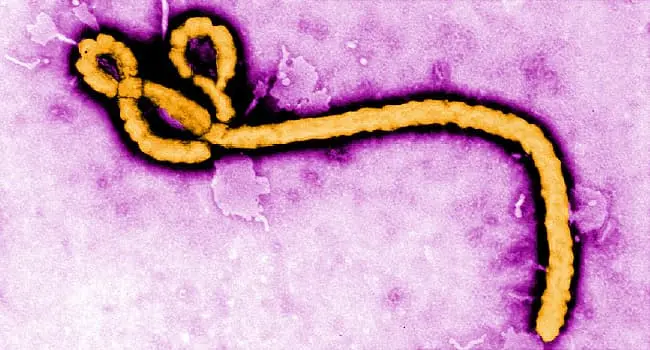
Ebola is a rare but deadly virus that causes fever, body aches, and diarrhea, and sometimes bleeding inside and outside the body.
As the virus spreads through the body, it damages the immune system and organs. Ultimately, it causes levels of blood-clotting cells to drop. This leads to severe, uncontrollable bleeding.
The disease was known as Ebola hemorrhagic fever but is now referred to as Ebola virus.
It kills up to 90% of people who are infected.
What Is Ebola Virus?
The disease was known as Ebola hemorrhagic fever but is now referred to as Ebola virus.
Death rates from outbreaks of Ebola in the past have ranged from 25% to 90%.
There are five types of Ebola virus. Four of them cause the disease in humans.
The Ebola virus first appeared during two 1976 outbreaks in Africa.
Ebola gets its name from the Ebola River, which is near one of the villages in the Democratic Republic of Congo where the disease first appeared.
How Do You Get Ebola?
Ebola isn’t as contagious as more common viruses like colds, influenza, or measles. It spreads to people by contact with the skin or bodily fluids of an infected animal, like a monkey, chimp, or fruit bat. Then it moves from person to person the same way. Those who care for a sick person or bury someone who has died from the disease often get it.
Ebola can spread through:
- Blood
- Sweat
- Tears
- Pee
- Poop
- Vomit
- Breast milk
- Amniotic fluid
- Semen
- Vaginal fluids
- Pregnancy fluids
Other ways to get Ebola include touching contaminated needles or surfaces.
You can’t get Ebola from air, water, or food. A person who has Ebola but has no symptoms can’t spread the disease, either.
Who’s at Risk?
You’re more likely to get Ebola if you physically come in contact with infected blood or body fluids of someone who has it. Generally, your risk for getting it isn’t high if you’re traveling to a country with an Ebola outbreak.
But your risk for infection is high if you’re a:
- Caregiver for a person with Ebola
- Health care worker, like a doctor, nurse, or staff at a hospital or clinic treating people with Ebola
- Volunteer or aid worker responding to an outbreak
- Lab worker who handles Ebola samples
- Close family or friend of someone with Ebola
What Are the Symptoms of Ebola?
Early on, Ebola can feel like the flu or other illnesses. Symptoms show up 2 to 21 days after infection and usually include:
- High fever
- Headache
- Joint and muscle aches
- Sore throat
- Weakness
- Stomach pain
- Lack of appetite
How Is Ebola Diagnosed?
Sometimes it's hard to tell if a person has Ebola from the symptoms alone. Doctors may test to rule out other diseases like cholera or malaria.
Tests of blood and tissues also can diagnose Ebola.
If you have Ebola, you’ll be isolated from the public immediately to prevent the spread.
How Is Ebola Treated?
There's no cure for Ebola, though researchers are working on it. There are two drug treatments which have been approved for treating Ebola. Inmazeb is a mixture of three monoclonal antibodies (atoltivimab, maftivimab, and odesivimab-ebgn). Ansuvimab-zykl (Ebanga) is a monoclonal antibody given as an injection. It helps block the virus from the cell receptor, preventing its entry into the cell.
Doctors manage the symptoms of Ebola with:
- Fluids and electrolytes
- Oxygen
- Blood pressure medication
- Blood transfusions
- Treatment for other infections
Ebola Complications
Research shows that you’re at risk of getting complications when you have Ebola, such as:
- Coma
- Multi-organ failure
- Septic shock
- Hypoxia (lack of oxygen in your body)
- Electrolyte imbalance
- Disseminated intravascular coagulation (DIC), a rare condition that causes clots in your blood vessels
- Hypovolemia, a condition where your body has low levels of blood or fluid
- Refractory shock, when your body continuously has low blood pressure
Research has also shown that you’re at risk of having complications after you have Ebola, too, including:
- Seizures
- Memory loss
- Headaches
- Cranial nerve problems that may include pain, vertigo, weakness, and hearing loss
- Tremors
- Meningoencephalitis (inflammation of the brain and membranes in the skull and spinal column)
Is There a Vaccine for Ebola?
There are two types of licensed vaccines available to prevent Ebola:
rVSV-ZEBOV (Ervebo). This vaccine only treats the Zaire strain of the virus. In December 2019, the FDA approved the vaccine for people who qualify for it.
You can get the Zaire Ebola vaccine only if you’re 18 or older. Experts don’t recommend it if you’re pregnant and breastfeeding. Experts recommend this vaccine during an Ebola outbreak.
Ad26.ZEBOV (Zabdeno) and MVA-BN-Filo (Mvabea). This vaccine is given in two doses. The European Medicines Agency authorized it for use in May 2020. People 1 year or older can get the vaccine.
You’ll get Zabdeno as your first vaccine dose. The second-dose Mvabea is given 8 weeks later. But experts don’t recommend this two-dose vaccine plan during an outbreak. That’s because it’s not designed to give you protection right away.
For high-risk people like health care workers or volunteers living and working in areas with an Ebola outbreak, if you’ve completed the two doses, you can get a Zabdeno booster shot 4 months after your second dose.
How Can You Prevent Ebola?
There are several ways you can protect yourself from the virus. To prevent an Ebola infection, you should:
- Avoid traveling to areas where the virus is found or if there’s an outbreak.
- If someone has Ebola, avoid contact with their blood or other bodily fluids.
- Avoid contact with semen from a man who has recovered from Ebola until testing can show the infection has cleared.
- Avoid touching or handling things a person sick with Ebola may have come in contact with, such as bedding, clothes, needles, and medical equipment.
- Avoid going to burials, especially where the ritual or practice may involve touching of a person who died from Ebola or was suspected of having had it.
- If you’re in area where Ebola is present, avoid contact with bats, monkeys, chimpanzees, and gorillas, since these animals can spread Ebola to people.
- If you’re a health care worker, wear masks, gloves, and goggles whenever you come into contact with people who may have Ebola.
If you’ve traveled back from a place that has had an Ebola outbreak, watch out for symptoms for as long as 21 days. If you notice any, tell your doctor right away.