
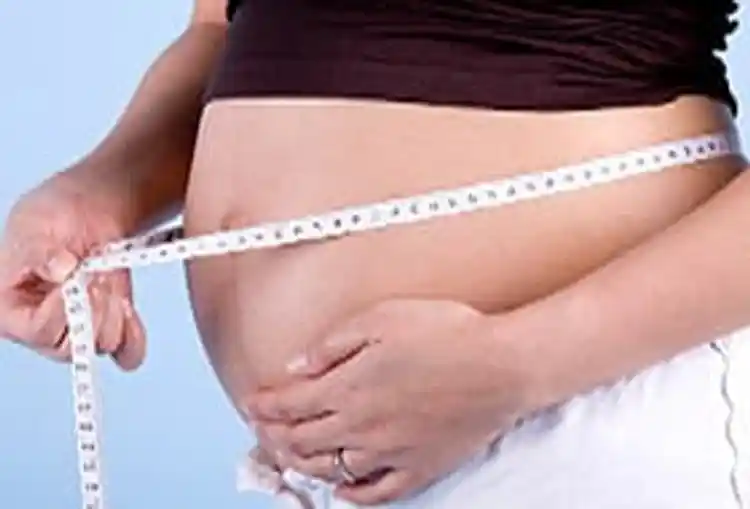
Mom's Extra Weight Affects Pregnancy
Hide Video Transcript
Video Transcript
: If I'm heavily overweight, will my pregnancy be affected?
Keith Eddleman, MD, Maternal-Fetal Medicine
Absolutely, and there's more data emerging to show that there are adverse pregnancy outcomes associated with obesity. There's a higher rate of neural tube defects, there's a higher rate of other congenital anomalies, there's a higher incidence of diabetes during pregnancy which can lead to overgrowth of the fetus and inherent problems there, a higher rate of hypertensive disorders associated with pregnancy, higher rate of cesarean delivery, almost every complication that can occur during a pregnancy is more frequent in an obese individual than it is in an individual of normal body mass index. Narrator
Well that really touches a nerve on WebMD because there are so many overweight mothers out there, especially those of a second child, they haven't been able to get that weight off from the first, or the second, or the third, and they don't want to hear that. If they could lose weight, they would. How do you help them? What do you tell them? Keith Eddleman, MD, Maternal-Fetal Medicine
I think that you do the best you can, you get as close to your ideal body weight as you can, and you try do the best. You don't have to go from being obese to your ideal body weight to mitigate the risks that I'm talking about. Any weight loss is beneficial, so you can improve your chances with whatever weight loss you can do, so it doesn't have to be all or nothing, you know, and do the best that you can. But, I think that you have to recognize that obesity is associated with an increased risk of these pregnancy complications. 