The hip joint can withstand repeated motion and a fair amount of wear and tear. This ball-and-socket joint -- the body's largest -- fits together in a way that allows for fluid movement.
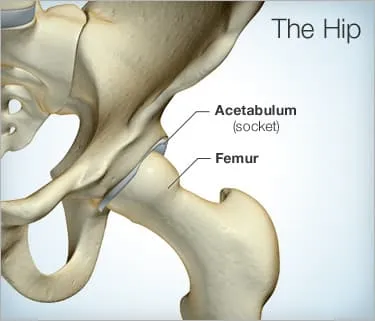
Whenever you use the hip (for example, by going for a run), a cushion of cartilage helps prevent friction as the hip bone moves in its socket.
Despite its durability, the hip joint isn't indestructible. With age and use, the cartilage can wear down or become damaged. Muscles and tendons in the hip can get overused. Bones in the hip can break during a fall or other injury. Any of these conditions can lead to hip pain.
If your hips are sore, here is a rundown of what might be causing your discomfort and how to get hip pain relief.
Causes of Hip Pain
These are some of the conditions that commonly cause hip pain:
Arthritis.Osteoarthritis and rheumatoid arthritis are among the most common causes of hip pain, especially in older adults. Arthritis leads to inflammation of the hip joint and the breakdown of the cartilage that cushions your hip bones. The pain gradually gets worse. People with arthritis also feel stiffness and have reduced range of motion in the hip. Learn more about hip osteoarthritis.
Hip fractures. With age, the bones can become weak and brittle. Weakened bones are more likely to break during a fall. Learn more about hip fracture symptoms.
Bursitis. Bursae are sacs of liquid found between tissues such as bone, muscles, and tendons. They ease the friction from these tissues rubbing together. When bursae get inflamed, they can cause pain. Inflammation of bursae is usually due to repetitive activities that overwork or irritate the hip joint. Learn more about bursitis of the hip.
Tendinitis. Tendons are the thick bands of tissue that attach bones to muscles. Tendinitis is inflammation or irritation of the tendons. It's usually caused by repetitive stress from overuse. Learn more about tendinitis symptoms.
Muscle or tendon strain. Repeated activities can put strain on the muscles, tendons, and ligaments that support the hips. When they become inflamed due to overuse, they can cause pain and prevent the hip from working normally. Learn about the best stretches for tight hip muscles.
Hip labral tear. This is a rip in the ring of cartilage (called the labrum) that follows the outside rim of the socket of your hip joint. Along with cushioning your hip joint, your labrum acts like a rubber seal or gasket to help hold the ball at the top of your thighbone securely within your hip socket. Athletes and people who perform repetitive twisting movements are at higher risk of developing this problem. Learn more about hip labral tears.
Cancers. Tumors that start in the bone or that spread to the bone can cause pain in the hips, as well as in other bones of the body. Learn more about bone tumors.
Avascular necrosis (also called osteonecrosis). This condition happens when blood flow to the hip bone slows and the bone tissue dies. Although it can affect other bones, avascular necrosis most often happens in the hip. It can be caused by a hip fracture or dislocation, or from the long-term use of high-dose steroids (such as prednisone), among other causes.
Symptoms of Hip Pain
Depending on the condition that's causing your hip pain, you might feel the discomfort in your:
- Thigh
- Inside of the hip joint
- Groin
- Outside of the hip joint
- Buttocks
Sometimes pain from other areas of the body, such as the back or groin (from a hernia), can radiate to the hip.
You might notice that your pain gets worse with activity, especially if it's caused by arthritis. Along with the pain, you might have reduced range of motion. Some people develop a limp from persistent hip pain.
Hip Pain Relief
If your hip pain is caused by a muscle or tendon strain, osteoarthritis, or tendinitis, you can usually relieve it with an over-the-counter pain medication such as acetaminophen or a nonsteroidal anti-inflammatory drug such as ibuprofen or naproxen.
Rheumatoid arthritis treatments also include prescription anti-inflammatory medications such as corticosteroids, disease-modifying anti-rheumatic drugs (DMARDs) like methotrexate and sulfasalazine, and biologics, which target the immune system.
Another way to relieve hip pain is by holding ice to the area for about 15 minutes a few times a day. Try to rest the affected joint as much as possible until you feel better. You may also try heating the area. A warm bath or shower can help ready your muscle for stretching exercises that can lessen pain.
If you have arthritis, exercising the hip joint with low-impact exercises, stretching, and resistance training can reduce pain and improve joint mobility. For example, swimming is a good non-impact exercise for arthritis. Physical therapy can also help increase your range of motion.
When osteoarthritis becomes so severe that the pain is intense or the hip joint becomes deformed, a total hip replacement (arthroplasty) may be a consideration. People who fracture their hip sometimes need surgery to fix the fracture or replace the hip.
Call your health care provider if your pain doesn't go away, or if you notice swelling, redness, or warmth around the joint. Also call if you have hip pain at night or when you are resting.
Get medical help right away if:
- The hip pain came on suddenly.
- A fall or other injury triggered the hip pain.
- Your joint looks deformed or is bleeding.
- You heard a popping noise in the joint when you injured it.
- The pain is intense.
- You can't put any weight on your hip.
- You can't move your leg or hip.