1 of 6 / Getting Pregnant
View All
Getting Started
If you're considering having a baby, you probably have wondered how long it will take to get pregnant.
Pre-Pregnancy To-Do List
You may not be pregnant yet, but there's plenty you can do now to make yourself as healthy as possible for a growing baby.
Prenatal Vitamins
Prenatal vitamins are made for pregnant women to give their bodies the vitamins and minerals needed for a healthy pregnancy.
Pregnancy After Age 35
Rest assured, most healthy women who get pregnant after age 35 and even into their 40s have healthy babies.
2 of 6 / First Trimester
View All
Weeks 1-4
If you are newly pregnant or trying to conceive, you have many questions about what to expect.
Weeks 5-8
You might suspect by now that you're pregnant. You may also notice some early symptoms of pregnancy.
Weeks 9-12
Your uterus is continuing to grow, and you may notice your waistline thickening.
Healthy Pregnancy Diet
Good nutrition during pregnancy, and enough of it, is very important for your baby to grow and develop.
3 of 6 / Second Trimester
View All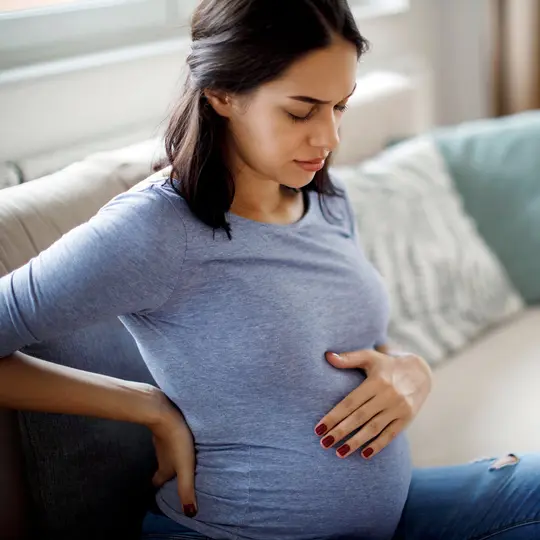
What to Expect
The second trimester of your pregnancy lasts from week 13 to 28, or months 4, 5, and 6. It’s the middle phase of pregnancy.
Weeks 13-16
You may have more energy and feel your best these next couple of months. Your uterus has grown a lot.
Weeks 17-20
You're showing more now, with a typical weight gain of 5-10 pounds. You may also be noticing that your appetite has grown.
Weeks 21-25
This marks the second half of your pregnancy. You're starting to show! You may notice stretch marks on your breasts or belly.
4 of 6 / Third Trimester
View All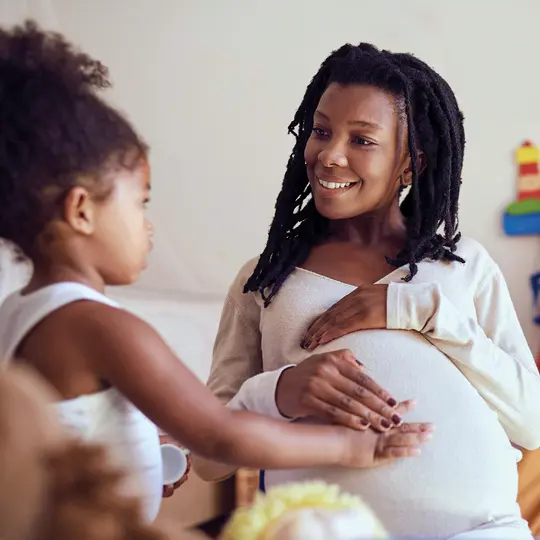
What to Expect
The third trimester is the last phase of your pregnancy. It lasts from weeks 29 to 40, or months 7, 8, and 9.
Weeks 31-34
Your uterus now fills a large part of your abdomen, and you've probably gained 21-27 pounds.
Weeks 35-40
Your uterus is about 6 inches above your navel. By now, you've probably gained 24-29 pounds.
Braxton Hicks Contractions
Braxton Hicks contractions are the "false" labor pains that a pregnant woman might have before “true” labor.
5 of 6 / Labor and Delivery
View All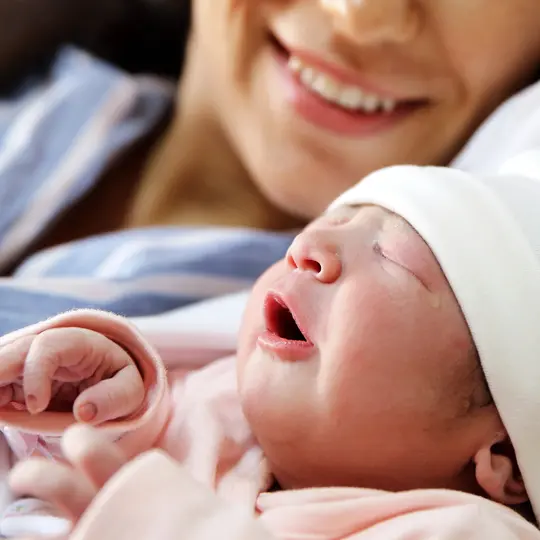
What to Expect
Your baby's due date is near. Here's what you can expect from the start of labor until the first days and weeks with your baby.
Am I in Labor?
Some pregnant people have distinct signs of labor, while others don’t. No one knows what causes labor to start or when.
Stages of Labor
Labor is the body’s natural process of childbirth. It occurs in three stages and lasts 12 to 24 hours for a first birth.
Pain Relief Options
How do you want to handle labor pain? You can count on some pain. But how much could be hard to predict.
6 of 6 / Pregnancy Complications
View AllWhat Is Anemia?
It's normal to have mild anemia while pregnant. You may have more severe anemia from low iron, vitamin levels, or other reasons.
Bleeding During Pregnancy
Bleeding during pregnancy is common, especially during the first trimester, and usually it's no cause for alarm.
Abdominal Separation
Diastasis recti means your belly sticks out because the space between your left and right belly muscles has widened.
Preeclampsia and Eclampsia
Preeclampsia usually happens late in pregnancy, though it can come earlier or just after delivery.
Suggested Reads about Health & Baby
Tylenol During Pregnancy Not Linked to Higher Risk of ADHD, Autism
New findings should bring comfort to pregnant people who need pain relief, given that full-dose aspirin and nonsteroidal anti-inflammatory drugs have been shown to pose serious risks to pregnant patients.
Maternal Mortality Still High, But Maybe Better Than Thought
Despite the revised figures, Black women continue to experience pregnancy-related deaths far more than other groups, researchers said.
Chemicals Common in Food Packaging Linked to Preterm Birth
Chemicals used to make everyday plastic items like food containers and cosmetic packages may be linked to the rise in preterm births, according to a new study.
Protecting Native American Women’s Hearts During Pregnancy: Expert’s View
American Indian/Alaska Native women have heart health risks during pregnancy. Jason Deen, MD, explains what helps.
8 million+ Physician Ratings & Reviews
Find Doctors and Dentists Near You
You can also search by physician, practice, or hospital name