What Is Liver Cancer?
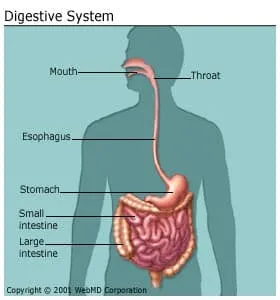
The liver continuously filters blood that circulates through the body, converting nutrients and drugs absorbed from the digestive tract into ready-to-use chemicals. The liver performs many other important functions, such as removing toxins and other chemical waste products from the blood and readying them for excretion.
The liver can be affected by primary liver cancer, which arises in the liver, or by cancer which forms in other parts of the body and then spreads to the liver. Most liver cancer is secondary or metastatic, meaning it started elsewhere in the body. Primary liver cancer, which starts in the liver, accounts for about 2% of cancers in the U.S., but up to half of all cancers in some undeveloped countries. This is mainly due to the prevalence of hepatitis, caused by contagious viruses, that predisposes a person to liver cancer. In the U.S., primary liver cancer strikes twice as many men as women, at an average age of 67.
Because the liver is made up of several different types of cells, several types of tumors can form there. Some of these are benign (noncancerous), and some are cancerous and can spread to other parts of the body (metastasize). These tumors have different causes and are treated differently. The outlook for health or recovery depends on what type of tumor you have.
The more common benign tumors of the liver include:
- Hemangioma
- Hepatic adenoma
- Focal nodular hyperplasia
- Cysts
- Lipoma
- Fibroma
- Leiomyoma
None of these tumors are treated like liver cancer. They may need to be removed surgically if they cause pain or bleeding.
Liver cancers include:
- Hepatocellular carcinoma (HCC)
- Cholangiocarcinoma (These are really cancers of the bile duct. They will not be discussed in this article.)
This article discusses hepatocellular carcinoma. It's important to know what type of liver tumor you have. Be sure to get that information from your healthcare provider.
What Causes Liver Cancer?
Primary liver cancer (hepatocellular carcinoma) tends to occur in livers damaged by alcohol misuse, or chronic infection with diseases such as hepatitis B and C, hemochromatosis (a hereditary disease associated with too much iron in the liver), and cirrhosis. More than half of all people diagnosed with primary liver cancer have cirrhosis -- a scarring condition of the liver commonly caused by alcohol misuse. Hepatitis B and C and hemochromatosis can cause permanent damage and liver failure. Liver cancer may also be linked to obesity and fatty liver disease.
Various cancer-causing substances are associated with primary liver cancer, including certain herbicides and chemicals such as vinyl chloride and arsenic. Smoking, especially if you abuse alcohol as well, also increases risk. Aflatoxins, cancer-causing substances made by a type of plant mold, have also been implicated. Aflatoxins can contaminate wheat, peanuts, rice, corn, and soybeans. These are rare problems in most developed countries like the U.S. Other causes include the hormones androgen and estrogen and a dye formerly used in medical tests called thorotrast.
Other risk factors for liver cancer may include:
- Your sex. Men are more likely to get hepatocellular carcinoma than women.
- Your weight. Obesity can increase the risk for hepatocellular carcinoma.
- Your race. In the U.S., liver cancer is most common in Asian Americans and Pacific Islanders.
- Anabolic steroid use. Male hormones abused by athletes to increase muscle can slightly increase liver cancer risk with long-term use.
- History of diabetes. Studies have suggested a link between diabetes and liver cancer. This is likely due to the link between diabetes and fatty liver disease.
- Inherited metabolic diseases. Diseases that disrupt the normal metabolism of the body have been shown to increase your risk of liver cancer.
- Rare diseases. Studies have found a link between liver cancer and some rare diseases like alpha -1-antitrypsin deficiency, tyrosinemia, and Wilson's disease.