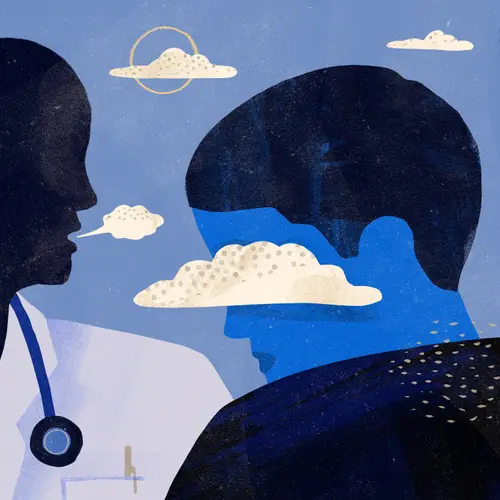
Psychotherapy -- or "talk therapy" -- is an effective treatment for clinical depression. On its own, it may not be enough to treat severe depression. But it can play an important role when used with other treatments, including medications.
What Can It Do?
It's used to help the person find ways to deal with everyday stressors. It can also encourage you to use your medications properly.
Many studies support the idea that therapy can be a powerful treatment for depression. Some have also found that combining depression medicine with therapy can be very effective. A large-scale trial involving more than 400 people with treatment-resistant depression found that talk therapy alongside medication improved symptoms.
What Are The Benefits?
There are a number of them:
- It can help ease stress.
- It can give you a new perspective on problems.
- It can make it easier to stick to your treatment.
- You can use it to learn how to deal with side effects from your medicine
- You learn ways to talk to other people about your condition.
- It helps catch early signs that your depression is getting worse.
What Are the Different Types?
Cognitive therapy, behavioral therapy, and cognitive behavioral therapy focus on how your own thoughts and behaviors contribute to your depression. Your therapist will help you learn ways to react to things and challenge your preconceptions. You and your therapist might come up with goals. You might also get "homework" assignments, like to keep a journal or apply problem-solving techniques in particular situations.
Interpersonal therapy focuses on how your relationships with others play a role in your depression. It focuses on practical issues. You will learn how to spot unhealthy behaviors and change them.
Psychodynamic therapyis more traditional. You and your therapist explore behavior patterns and motivations that you may not be aware of which could contribute to depression. You may focus on any traumas from your childhood.
Individual counseling is a one-on-one session with a professional therapist who might be an MD (psychiatrist/doctor), PhD (psychologist), PsyD (psychologist), LCSW (licensed clinical social worker), NP (nurse practitioner), or other licensed therapist with experience in treating depression and other mood disorders. Your therapist can teach you more about depression and help you understand yours. You can discuss new strategies to manage stress and to keep your depression from getting worse or coming back.
One-on-one sessions can help you identify specific stresses and triggers that worsen your depression. A therapist can help you work through issues at home or at work, and encourage you to maintain healthy connections with family and friends. Your therapist can also help you adopt good habits, like making sure you take your medicines, seeing your doctor regularly, and getting enough sleep.
Family counseling treats the entire family -- because it's not only the person with the diagnosis who is affected by depression. If you're depressed, your family feels it, too. And unfortunately, although family members may have the best of intentions, without professional guidance, they sometimes make things worse.
Family therapy is a great way for your relatives to learn about depression and the early warning signs. Studies suggest that family sessions might really help with treatment, too, improving lifestyle, compliance with medication, and sleep habits.
It also lets you and your family members talk about the stresses of life with depression. You may all feel more comfortable talking openly with a therapist there to guide the conversation.
Group counseling sessions give you a chance to meet other people who are going through the same things you are. You can share experiences and strategies. The give-and-take is often a good way to learn new ways to think about your illness.
How Do I Find a Therapist?
You will want to find a qualified therapist -- usually a psychiatrist, psychologist, social worker, psychiatric nurse, or counselor. If possible, find one who has expertise with treatment-resistant depression. Ask your doctor for recommendations. Or get in touch with an organization like the National Alliance on Mental Illness (NAMI) or the Depression and Bipolar Support Alliance (DBSA). Substance Abuse and Mental Health Services Administration (SAMHSA) has a treatment locator.
How Long Does Therapy Take?
While some people may benefit from short-term therapy, people with longstanding or treatment-resistant depression tend to derive more benefit from longer-term psychotherapy . Studies show long-term therapy for those conditions leads to greater improvement in depression symptoms and better life satisfaction and social functioning. It may also lower the risk of relapse after you get better. You and your therapist can watch for signs your depression might be getting worse. Over time, you'll also learn about the patterns in your life that may trigger feelings of depression.
If you have treatment-resistant depression, you may have already tried therapy. Maybe you didn’t feel like it worked. But it may be time to give it a second chance. Here are some things to consider before you try again:
Think about the reasons you didn't find therapy useful in the past. Why didn't it work? What did you need from therapy that you weren't getting?
Decide what you want out of therapy now. Do you want to tackle specific problems? Do you want to work through upsetting events from your past? Come up with goals.
Consider going back to your old therapist. Even if therapy didn't work last time, that doesn't mean the therapist was at fault. The experience may be different if you approach it with specific goals this time. Going back to a previous therapist may be easier, since they'll already know your history and situation.
Consider trying someone new. Make sure that the therapist you're seeing has training and expertise in psychotherapy forms that are specific to the treatment of depression. Make sure you you like and respect your therapist. Ask yourself if you feel you can both work together effectively . If you and your therapist don't "click," therapy is unlikely to work. So you could try someone new. You might even want to meet with a few therapists before choosing one. Ask about their approaches. Talk about your goals.
Give it time. Once you've settled on a therapist, give therapy a chance to work. Don't give up after a few sessions. Like with depression medicine, therapy can take time before you feel the benefits.