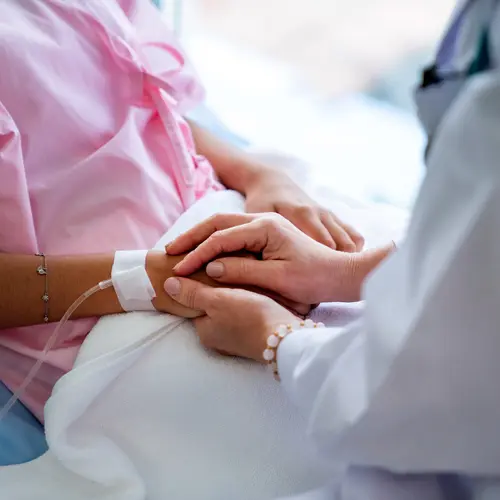
Chemotherapy can help fight cancer, but it also has side effects. Everyone reacts differently. The type of chemo drugs you use can affect your experience.
Try these tips to help manage some common side effects.
Nausea and Vomiting
You can help ease nausea and vomiting by changing your eating patterns:
- Eat five or six small meals rather than three big ones.
- Take your time when you eat and drink.
- Drink an hour before or after meals rather than when you eat. Apple juice, tea, and flat ginger ale may help.
- Avoid strong-smelling foods. Strong smells can sometimes bring on nausea.
- Pass on sweets, and fried and fatty foods, which may make you queasy.
Medications
Your doctor may prescribe anti-nausea drugs. These are usually given to prevent you from feeling nauseous.
Talk to your doctor about the best anti-nausea drug for you. Sometimes you may need to try different drugs until you find one that helps you the most.
Complementary and Alternative Medicine
- Try acupuncture. Some people have found it helps relieve nausea and vomiting.
- Relaxation techniques like deep breathing and meditation may also help stop these side effects.
Taste Changes
Some types of chemotherapy can affect your sense of taste. Follow these tips to better enjoy eating:
- Red meat may taste different to you. If so, try poultry, mild-flavored fish, or dairy products instead.
- If your favorite foods taste different, avoid them so you don't develop a distaste for them.
- If foods taste metallic, try eating with plastic utensils.
- Use a sweet marinade to help bring flavor to your main dish.
Fatigue
You may find yourself feeling tired, but there are ways to help manage that.
- Rest or take short naps during the day.
- Exercise. A short walk may boost your energy.
- Ask family or friends for help when you need it.
- Focus your energy on important things.
If you just can't shake the feeling of being tired, check with your doctor. In some patients, chemotherapy can lead to anemia and low red blood cell counts. Your doctor can test your blood and treat you, if necessary.
'Chemo Brain'
Some people feel short-term mental fog after treatment. To manage so-called “chemo brain,” try these tips:
Hair Loss
Some, but not all chemo treatments, can lead to hair loss. If your treatment does, here's what you can do:
- After chemotherapy, use soft-bristle brushes. Avoid hair products with harsh chemicals, such as hair dyes or permanents.
- Cutting your hair short may make it look thicker and fuller.
- If you think you'd want a wig, shop for it before you lose your hair. That way, you can better match it to your hair.
- Wear a hat or scarf in cold weather, and use sunscreen to protect your scalp from the sun.
- Your scalp may feel tender and dry. Wash it with mild moisturizing shampoos and conditioners, and apply gentle lotions.
You might consider using a cold cap, a device that reduces hair loss caused by some types of chemotherapy. These caps work by cooling the scalp, temporarily constricting blood flow to your hair follicles. This in turn reduces the amount of drug that reaches your hair, as well as making hair follicles less sensitive to the effects of chemotherapy.
Sun Sensitivity
You may be more sensitive to sunlight in the months following treatment.
- Stay out of direct sunlight, especially when the sun's rays are the strongest (between 10 a.m. and 4 p.m.).
- Use sunscreen (look for a “broad-spectrum” product with a SPF of 30 or higher) and lip balm with sunscreen.
- Wear long pants, long sleeve shirts, and wide-brimmed hat when outdoors.