Aromatherapy
Hide Video Transcript
Video Transcript
Carol Venclik, Certified Aromatherapist, Atlanta School of Massage
I am going to wave the essential oil under your nose. Can say yes, no, or maybe? Narrator
Aroma therapy is the use of essential oils that come from plants, trees and herbs. Melody, Patient
YES! Narrator
Depending on the particular scent, aroma therapists say the oils can work to cleanse, stimulate, relax and even help control pain. Carol Venclik, Certified Aromatherapist, Atlanta School of Massage
Our sense of smell is actually 10-thousand times more than our sense of taste. And so we smell things immediately. Narrator
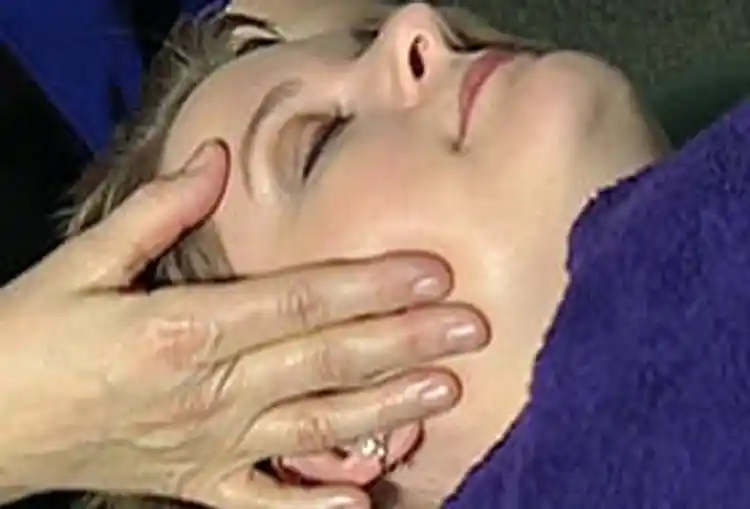
Massage is the most popular way to embark on a sensory journey. Before you start, the therapist will likely ask you some basic health questions: Carol Venclik, Certified Aromatherapist, Atlanta School of Massage
High blood pressure, heart condition? Narrator
Pregnant women should avoid aroma therapy – while more studies are needed, experts worry some essential oils might be harmful to the fetus. If you're otherwise healthy and opt for this type of massage, you'll likely be wrapped up so your body stays warm and your pores stay open. The scents are believed to stimulate nerve cells in the nose, sending impulses to the brain. Carol Venclik, Certified Aromatherapist, Atlanta School of Massage
It goes from the olfactory to limbic system which is our connection to our emotions in the brain. Narrator
It's also the part of the brain which controls memory and if the memories are happy, endorphins, the body's natural painkillers, might be released. Carol Venclik, Certified Aromatherapist, Atlanta School of Massage
The feet and the hands are the quickest way for the essential oils to get into the blood stream. Narrator
Studies on aroma therapy are ongoing. One showed lavender oil helped calm patients with severe dementia. Another showed pleasing smells might be a complementary therapy for managing chronic pain. Aroma therapists say they gage its benefits by their clients' reactions: Carol Venclik, Certified Aromatherapist, Atlanta School of Massage
Toasty? hm hmm… Narrator
For WebMD, I'm Damon Meharg.