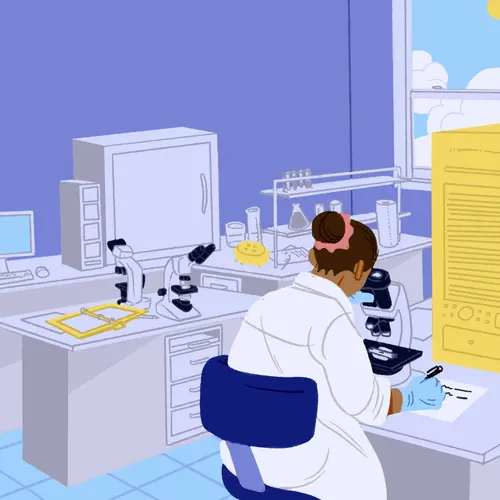
A colorectal cancer diagnosis can bring a flood of emotions. And then there’s the big question you want to answer: “What do I do now?”
You don’t have to tackle everything at once. But there are ways to feel more prepared for treatment and handle what comes next.
Ask Questions
If you learn more about colorectal cancer, you might feel more in control of what’s happening. Start by taking a list of questions to your next medical appointment, such as:
- How far has my cancer spread?
- What stage is my cancer? What does that mean?
- How soon do I need to start treatment?
- Which treatments do I need?
- Will they affect my day-to-day life?
- What are the side effects of treatment?
- Which specialists will I see? What are their roles?
- What support services are available to me and my family?
- What is your experience in treating people with colon cancer?
- Should I call you with questions or problems?
- What are my chances for recovery after treatment?
- Will I need a colostomy? Will it be permanent?
- How often will I need checkups after treatment?
- What can I do to stop my cancer from coming back?
Get Educated
Learn about the latest treatments for colorectal cancer. If there's something you don’t understand, write it down, and ask your doctor about it the next time you talk. Being informed will help you talk about options with your doctor.
You can also contact the American Cancer Society’s National Cancer Information Center (NCIC) at 800-227-2345, which offers free information and support by phone, email, or live chat.
Some patient advocacy groups, like the Colorectal Cancer Alliance and Fight Colorectal Cancer, also have resources to help people get through the disease.
Set Yourself Up for the Best Care
Choosing a doctor for your treatment is a big decision. Ask your primary care doc or someone else you trust for recommendations. You can then ask which hospitals they work in and if they take your insurance.
You could also check the websites of local hospitals or national organizations, like the American College of Surgeons or the American Society of Clinical Oncology.
If you live near a specialized cancer treatment center, you might want to start there.
Tool: Find a Doctor Who Specializes in Colon Cancer
Try to talk with your top choices in person or on the phone. These tips might help:
- Find doctors whom you like, whom you trust, and who listen to you. You want to feel comfortable working with everyone.
- Ask about background and experience. How often do they treat people with colorectal cancer? If you need surgery, how many times has the surgeon done the procedure you need? And how often? Where did your doctor study? Did they do any fellowships, and are they board-certified?
- Find team members who can work well together. Most cancer treatments complement each other. For instance, you might have chemotherapy and radiation before surgery and more chemotherapy afterward. This is especially true for rectal cancer. So the experts on your team -- your oncologist, your radiologist, and your surgeon -- all need to work together to figure out the best strategy.
Don't be afraid of getting a second opinion. If you have any doubts about the treatment your doctor suggests -- or if you want to just double-check -- talk to another doctor. Most will have no problem with that. The second doctor may suggest the same treatment as the first. That knowledge can make you more confident about the decision.
Talk to your doctor and your insurance company before you start treatment so you aren't surprised by costs later. Be sure you know what will and what won’t be covered by insurance. You may be able to work out a payment plan with your doctor’s office.
Get to Know Your Treatment Team
You’ll probably have several doctors for your colorectal cancer treatments.
With the guidance of your main doctor, your team may include these specialists:
- A medical oncologist, who will oversee your medical treatment and prescribe chemotherapy
- A radiation oncologist, who will treat you with radiation
- A colorectal surgeon, a general surgeon, or a surgical oncologist, who will do your surgery
You might also work with other health care professionals such as nurses and pathologists. You could check in with a dietitian to make sure you're getting all the nutrients you need during treatment.
If you find that you have strong emotions about the cancer or its treatment that are hard to handle, you might want to see a therapist such as a social worker, psychologist, or psychiatrist. Some people in your family might also find it helpful to talk to a therapist if they feel overwhelmed.
Work With Your Doctor
Take an active role in your treatment. You and your health care team will need to make a lot of decisions together. Being involved in your treatment process can give you a sense of control over the situation.
Let your doctor know that you want a partnership. Most will welcome the idea. If your doctor is opposed or dismisses your concerns, think about seeing someone else.
Be honest. For your treatment to be effective, you need to be honest with your doctor. So make sure they know everything about your medical condition, even things that you may be embarrassed to talk about. Tell them about all medicines, supplements, and herbal remedies you use. If you're skipping a medication, tell your doctor and explain why. There might be a solution.
Make a list. You may be in and out of doctors’ offices and hospitals for a while. Keep a notebook or your smartphone with you to note any questions before you go. Don’t be afraid to ask for more details if there’s something you don’t understand.
Get copies of your medical records. Ask your doctor’s office for a copy of your file, including blood test results, scans, and reports. This way, you’ll be prepared in case you need to talk to another health care provider down the line.
Keep track of how you’re feeling. Jot down a quick note every day about how you’re doing, including any medicine you’re taking and symptoms you have. Take this to your next doctor’s visit, since it could help them adjust your care.
Think About Joining a Clinical Trial
Before colorectal cancer treatments get approved, researchers test them in clinical trials. If you're interested, ask your doctor to help you find one that’s looking for patients like you.
Ask about what’s involved. For instance, you’ll want to know how long the trial is, what you’ll need to do, and what the side effects might be.
Some people with colorectal cancer or other conditions are reluctant to take part in clinical trials. One reason is that they’re afraid they’ll get no treatment at all. But that’s not the case. You’ll either get the most effective therapy that’s already available or a new treatment that’s being tested to see if it works better.
Clinical trial phases
Researchers do clinical trials in phases. Each one is designed to find out specific information and builds on the previous phases.
- Phase I. A small number of patients get the new treatment. The goal is to find out the best way to give it and how much can be given safely.
- Phase II. More people get the treatment as researchers learn more about its safety and how well it works.
- Phase III: Researchers compare the new treatment with the standard treatment in a large number of people.
- Phase IV. Researchers apply the new treatment more broadly. For example, they may use a new drug that was found to be effective in a clinical trial together with other medicines to treat a disease or condition in a certain group of people, and check on long-term effects.
Benefits and risks of clinical trials
The big advantage is that you may get a new treatment for colorectal cancer before it’s widely available to the public. It’s also a way to help research treatments and procedures that would help others who have colorectal cancer.
It could help with your medical bills. The company or agency that sponsors the study may pay for many of the tests and doctor visits directly related to the trial. You’ll want to confirm that in advance with the trial’s staff.
Keep in mind that part of the point of a clinical trial is to learn about risks and side effects. So you may not know those in advance. Remember that most treatments have side effects, as does the disease or condition itself.
If you join a trial, the researchers will tell you about any known side effects that you might have, and they will update you during the trial about problems that happen or become known during the trial.
How do I find a clinical trial?
Check these websites to help you find a colorectal cancer clinical trial.
- TrialCheck. The nonprofit Coalition of Cancer Cooperative Groups developed this site. It’s an unbiased cancer clinical trial matching and navigation service that lets people search for cancer trials based on disease and location.
- National Cancer Institute. This website lists more than 6,000 cancer clinical trials and explains what to do when you find one that you think is right for you.
- ClinicalTrials.gov. You’ll find up-to-date information on federally and privately supported clinical trials for cancer.
- CenterWatch. This website lists industry-sponsored clinical trials that are recruiting patients.
Decide What You’ll Tell Other People
There’s no right time or way to tell others that you have cancer. You may want to start with the most important people in your life -- your partner, family, or friends -- and go from there. Explain the type of cancer you have, the treatment you’ll need, and what your next steps will be.
If you have children, how much you tell them will depend on their age and what you think they can handle. But reassure them that they can’t “catch” your disease and that they did nothing to cause it, two common fears kids have.
Since you may need to take time off from work for treatment, it’s important to let your boss or someone in your company’s HR department know that you’re sick. You may want to tell a few co-workers, too.
If you don’t feel like telling dozens of people about your diagnosis, try this: Pick one or two people close to you to spread the word and field questions from others.
Choose a Healthy Lifestyle
Exercise is even more important for people with colorectal cancer. Studies show that physical activity reduces the risk of death after a diagnosis of colorectal cancer. Talk to your doctor about how much and what type of exercise is right for you. Many people aim for 30 minutes most days of the week. If you’re just getting started, try to be active for 10 or 15 minutes and build up from there.
After treatment, your doctor will probably tell you to change your diet for a while to foods that are easy on your colon. Until then, eat a plant-based diet with at least five servings of fruits and vegetables each day.
Cut back on red meat, especially processed, cured, or salted kinds (like bacon). They can hurt your colon. Don’t eat more than two 4-ounce servings a week -- and when you do, opt for lean cuts with fat trimmed off.
Choose whole grains like whole wheat bread and brown rice over refined foods like white bread and rice. But watch your carbs. Too many processed or sugary foods that are high in carbohydrates can raise the odds that your cancer will come back after treatment.
Pick low-fat foods. A fatty diet brings more acid into your intestine, which might lead to cell damage and help tumors grow. Instead, eat lean poultry, low-fat dairy products, and “good” omega-3 fats like you find in fatty fish (salmon, mackerel, sardines), walnuts, and canola oil.
If you smoke, now’s the time to quit. People who use tobacco do only half as well with treatment for colorectal cancer. Talk to your doctor if you need help kicking the habit.
Expect Changes at Home
Diarrhea is common after treatment for colorectal cancer, especially chemotherapy and radiation. You may feel you can’t control your bowels at first. But the problem usually gets better once your treatment is over.
Take baths and change clothes when you need to. Wearing pads or another protective liner can help keep you dry. Also, let your doctor know if you’re having diarrhea a lot.
If you have surgery to remove cancer from your colon or rectum, your body can’t handle waste in the same way. So you may need to wear a colostomy bag to collect your stool during or after treatment, whether for a short time or permanently. If you have one, it’s best to change it in the morning before you eat or drink anything. During the day, drain the bag when it’s one-third full (of stool, urine, or gas.) If you wait, it may be more noticeable or harder to empty.
Talk to your partner about any intimacy concerns. You might worry that they won’t be interested in sex because of your cancer, or if you need to use a colostomy bag. Discuss what to expect, privately or with a therapist, so you know each other’s feelings.
There are ways to make your colostomy bag less obvious, which will help you feel more at ease. Empty it or change to a smaller one before you and your partner get intimate. You can also use a stoma cap for the opening, then cover the area with a bandage. Dimming your bedroom lights will help, too. Your doctor or therapy nurse can help you find the best option.
Seek Support
When you tell family and friends you’re sick, many will ask, “What can I do to help?” Your first reaction might be to say, “Nothing, thanks.” But support will be important as you fight your disease. So don’t be afraid to ask for what you need, whether it’s a ride to the doctor or help watching your kids.
A support group can be another great resource. Look for one through your hospital, or connect with other people who have colorectal cancer through an online group like the American Cancer Society's Cancer Survivors Network.
All support groups are different. You might have to try a few before you find one you click with.
If you’re a more private person, think about scheduling time to talk one-on-one with a counselor. Writing your worries down in a journal can help, too.
Take Time for Other Things
Manage your stress. Whether it’s yoga, meditation, or reading a good book, find a way to keep anxiety in check. Too much stress makes it harder for your body to heal.
Try not to let your cancer and decisions about treatment consume you. Don’t spend all your time looking for new information. It can overwhelm you, and that makes it harder to make decisions. Spend time with family and friends and do things you enjoy.
Tips for Family and Friends
Family members and friends are often profoundly affected by changes in a loved one's health.
Here are some tips to help family and friends cope with a loved one's cancer diagnosis:
- Feel free to ask the doctor questions if you go with your loved one to an appointment. It may help to write them down so you don't forget them.
- Be prepared for changes in your loved one's behavior and mood. Medications, discomforts, and stress can cause someone with cancer to become depressed or angry.
- Encourage your loved one to be active and independent, as much as possible, to help them regain a sense of self-reliance and confidence.
- Be realistic about your own needs. Be sure you are sleeping enough, eating properly, and taking some time off for yourself. It’s hard to offer much help when you’re worn out.
- Don't hesitate to ask other family members and friends for help. They will appreciate the opportunity.
Family members and friends of a person coping with cancer may also find themselves under a great deal of stress. To reduce your stress:
- Try to keep a positive attitude.
- Accept that there are events you cannot control.
- Be assertive instead of aggressive. "Assert" your feelings, opinions, or beliefs instead of becoming angry, combative, or passive.
- Learn to relax.
- Exercise regularly. Your body can fight stress better when you’re physically fit.
- Eat well-balanced meals.
- Rest and sleep. Your body needs time to recover from stressful events.
- Don't rely on alcohol or drugs to reduce stress.
- Consider joining a support group to share your experiences and learn from others. It may help to feel like you're not alone.
Resources on Colorectal Cancer and Related Issues
American College of Gastroenterology
The American Society of Colonand Rectal Surgeons
American Society for Gastrointestinal Endoscopy
CenterWatch Colorectal Clinical Trials
www.centerwatch.com/clinical-trials/listings/condition/426/colorectal-cancer
Digestive Disease Center, Medical University of South Carolina
Digestive Disease National Coalition
Fight Colorectal Cancer
International Foundation for Functional Gastrointestinal Disorders
International Ostomy Association
Gastro-intestinal Research Foundation
National Association for Continence
Simon Foundation for Continence
United Ostomy Association of America
General Cancer Resources
American CancerSociety
American Institute for CancerResearch (AICR)
Association of Community Cancer Centers (ACCC)
Cancer Care, Inc.
Cancer Education
Cancer Hope Network
Cancer News on the Net
Cancer Research Institute
International Cancer Alliance
Macmillan Cancer Support
National CancerInstitute
The National Coalition for Cancer Survivorship
National Comprehensive Cancer Network (NCCN)