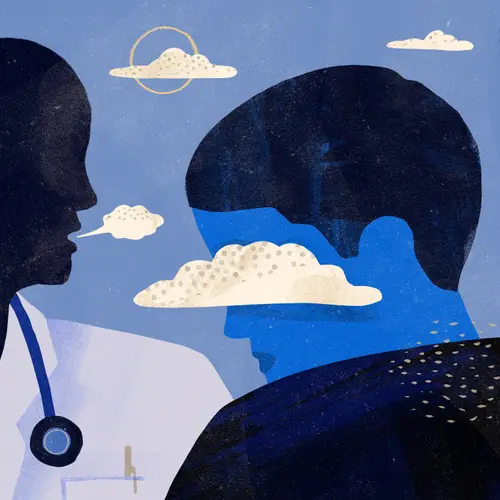
Do the winter months get you down more than you think they should? If so, you might have seasonal depression, also known as seasonal affective disorder (SAD).
Seasonal depression is a mood disorder that happens every year at the same time. A rare form of seasonal depression, known as "summer depression," begins in late spring or early summer and ends in fall. In general, though, seasonal affective disorder starts in fall or winter and ends in spring or early summer.
SAD may affect 11 million people in the U.S. each year, and 25 million more may have a milder form called the winter blues.
Causes
While we don't know the exact causes of SAD, some scientists think that certain hormones made deep in the brain trigger attitude-related changes at certain times of year. Experts believe that SAD may be related to these hormonal changes. One theory is that less sunlight during fall and winter leads to the brain making less serotonin, a chemical linked to brain pathways that regulate mood. When nerve cell pathways in the brain that regulate mood don't work the way they should, the result can be feelings of depression, along with symptoms of fatigue and weight gain.
SAD usually starts in young adulthood and is more common in women than men. Some people with SAD have mild symptoms and feel out of sorts or cranky. Others have worse symptoms that interfere with relationships and work.
Because the lack of enough daylight during wintertime is related to SAD, it's less often found in countries where there's plenty of sunshine year-round.
Winter Symptoms
People with SAD typically sleep much more than usual and crave carbohydrates. They also have many of the normal warning signs of depression, including:
Summer Symptoms
- Less appetite
- Trouble sleeping
- Weight loss
Diagnosis
The main feature of SAD is that your mood and behavior shift along with the calendar. It’s not a separate mood disorder but a type of major depression or bipolar disorder, sometimes called manic depression.
You may have SAD if, for the past 2 years, you:
- Had depression or mania that starts as well as ends during a specific season
- You didn’t feel these symptoms during your “normal” seasons
- Over your lifetime, you’ve had more seasons with than without depression or mania
It sometimes might take a while to diagnose SAD because it can mimic other conditions, like chronic fatigue syndrome, underactive thyroid, low blood sugar, viral illnesses, or other mood disorders.
Treatment
Treatments differ, depending on how severe your symptoms are. The type of treatment you get also depends on whether you have another type of depression or bipolar disorder.
Traditional antidepressants are often used to treat seasonal depression. Bupropion XL is currently the only medication that is FDA-approved specifically to prevent major depressive episodes in people with SAD.
Many doctors recommend that people with SAD get outside early in the morning to get more natural light. If this is impossible because of the dark winter months, antidepressant medications or light therapy (phototherapy) may help.
Low levels of vitamin D, caused by low dietary intake of the vitamin or not enough exposure to sunshine, have been found in people with SAD. However, it's unclear whether vitamin D supplementation can help to relieve SAD symptoms. Very little research has been done on dietary supplements other than vitamin D for SAD.
Light Therapy
Some researchers link seasonal depression to the natural hormone melatonin, which causes drowsiness. Light affects the biological clock in our brains that regulates circadian rhythms, a physiological function that may include mood changes when there’s less sunlight in winter. Natural or "full-spectrum" light can have an antidepressant effect.
A full-spectrum bright light shines indirectly into your eyes. You sit about 2 feet away from a bright light -- about 20 times brighter than normal room lighting. The therapy starts with one 10- to 15-minute session per day. Then the times increase to 30 to 45 minutes a day, depending on your response.
Don't look directly at the light source of any light box for long times, to avoid possible damage to your eyes.
Some people with SAD recover within days of using light therapy. Others take much longer. If the SAD symptoms don't go away, your doctor may increase the light therapy sessions to twice daily.
People who respond to light therapy are encouraged to continue it until they can be out in the sunshine again in the springtime. While side effects are minimal, be cautious if you have sensitive skin or a history of bipolar disorder.
Prevention
Spend some time outside every day, even when it's cloudy. The effects of daylight still help. If it’s too cold out, open your blinds and sit by a sunny window.
Begin using a 10,000-lux light box when fall starts, even before you feel the effects of winter SAD.
Eat a well-balanced diet. This will help you have more energy, even if you're craving starchy and sweet foods.
Exercise for 30 minutes a day, five times a week.
Stay involved with your social circle and regular activities. Social support is very important.
When Should I Call my Doctor?
If you feel depressed, fatigued, and cranky the same time each year, and these feelings seem to be seasonal in nature, you may have a form of SAD. Talk openly with your doctor about your feelings. Follow their recommendations for lifestyle changes and treatment.
If your doctor recommends light therapy, ask if the practice provides light boxes for patients with SAD. You can also rent or purchase a light box, but they're expensive, and health insurance companies don't usually cover them.