S-A-D: One Woman's Struggle
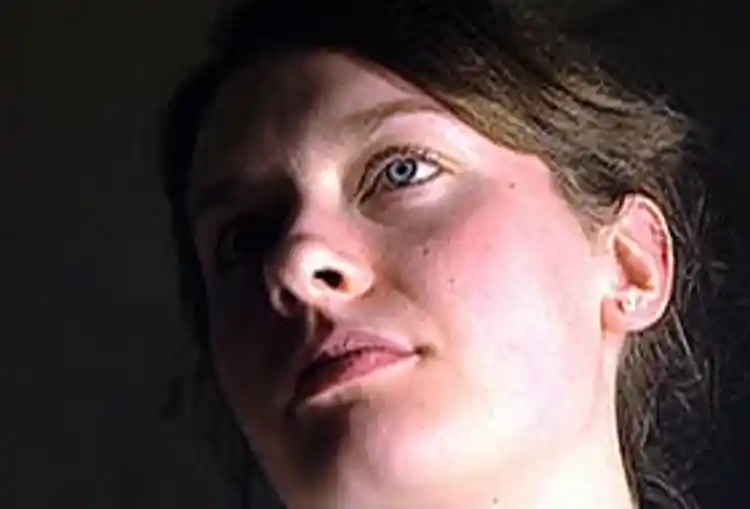
Hide Video Transcript
Video Transcript
Narrator
In places like Portland Oregon where the sun is a scarce resource during winter, depression can be as pervasive as the gloomy weather. LeNeva Spires
It doesn't exactly feel like depression—I don't really feel depressed so much as lower in energy. : Showers could be heavy at times, possibilities of a morning thunder storm.
Narrator
Until she was treated for seasonal affective disorder—or SAD, LeNeva Spires had a hard time of it during the darker months. She's one of over 10 million people in the United States who have the condition. Also called winter depression, common symptoms are seasonal lethargy, strong cravings for foods high in sugar and starch, and the weight gain that often follows. Al Lewy, MD, PhD
We thought it was something related to hibernation originally, but now we think it's related to the 24-hour body clock. Now, what is critical is the distance of your eyes from the light fixture… Narrator
In the early 80's research pioneers like Dr. Al Lewy discovered light is far more important than previously believed: The eye needs to see an intense light, such as light from the sun, early in the day to trigger the body clock. Al Lewy, MD, PhD
So the eye actually has two functions: one is vision. And the other is to convey the 24-hour light/dark cycle information to the hypothalamus where the body clock is located. Narrator
So if you're forced to wake up when it's dark outside, your body's clock may rebel. Fortunately, experts in the field have learned that you can trick the body's clock with a bright enough artificial light if you're exposed to it for a long enough period. Al Lewy, MD, PhD
And so the treatment of choice for winter depression, and this has been established now, is bright light exposure in the morning which shifts your rhythms earlier back into alignment with your sleep/wake cycle. Narrator
The success rate with light box treatments has been impressive: Just ask LeNeva Spires… LeNeva Spires
And I could just feel the light just going in somewhere and…I wouldn't have believed it if you told me beforehand, but it was remarkable. I feel very happy about the results and feel pretty vital—even in the winter, even in January here in the northwest (laughs). Narrator
For WebMD, I'm Damon Meharg.