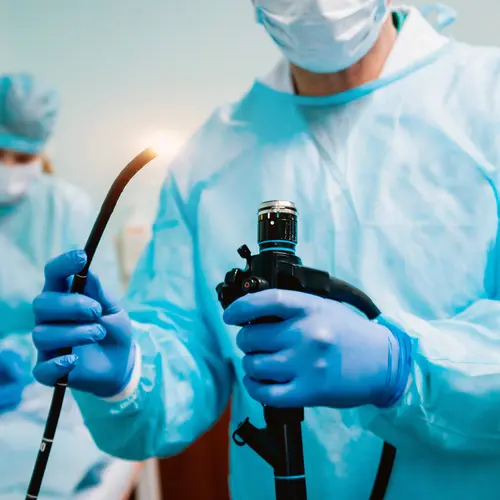
The esophageal pH test is an outpatient procedure performed to measure the pH or amount of acid that flows into the esophagus from the stomach during a 24-hour period.
The procedure is commonly used to help confirm the diagnosis of GERD or to identify the cause of various symptoms, including:
- , primarily in patients who have had a normal endoscopy and who have failed medical treatment or may be considered as candidates for surgery
- Uncommon symptoms of (gastroesophageal reflux disease), such as chest pain, chronic cough, asthma, and other throat symptoms
The test may also be performed to evaluate the effectiveness of current treatments for heartburn or reflux. This test is often recommended for those whose symptoms aren't helped by medications.
How Is the Esophageal pH Test Performed?
The equipment used in the esophageal pH test consists of a small probe that is inserted through your nostril and positioned near the lower esophagus. The probe is plugged into a small unit (or monitor) worn on your belt or over your shoulder. A newer, wireless device may make monitoring the pH level easier: Instead of having to have a tube placed down your nose for 24 hours, your doctor will place a disposable capsule into the esophagus using an endoscope. The capsule then wirelessly transmits information for up to 48 hours to a receiver worn around the waist.
With the touch of a button on your monitor, it will record the following information:
- The occurrence of symptoms
- The times when you eat and lie down
A nurse will review the monitoring instructions with you.
Be careful with the monitor and keep it dry at all times.
What Happens Before the Esophageal pH Test?
Do not eat or drink for four to six hours before your esophageal pH test.
Tell your doctor if you are pregnant, have a lung or heart condition or any other diseases, or are allergic to any medications.
Can I Continue to Take Medication Before the Esophageal pH Test?
There are several medications that may affect the results of an esophageal pH test. These include:
- Proton pump inhibitors: Dexlansoprazole (Dexilant), esomeprazole (Nexium), lansoprazole (Prevacid),omeprazole (Prilosec), pantoprazole (Protonix), and rabeprazole (Aciphex),
- H2 blockers: cimetidine (Tagamet) and famotidine (Pepcid)
- Antacids: Alka-Seltzer, Gaviscon, Maalox, Milk of Magnesia, Mylanta, Tums
- Calcium channel blockers: diltiazem (Cardizem), nifedipine (Adalat, Procardia),and verapamil (Calan, Verelan)
- Nitrates: Isordil, Isosorbide, Nitrobid, Nitrodisc, Nitroglycerin (NTG), Nitropatch
There are other drugs that may affect the test results. Talk to your doctor about all medications you are taking before undergoing the procedure.
Do not discontinue any medication without first consulting with your primary or referring doctor. If proton pump inhibitors need to be discontinued, you will take a week off these drugs before doing the test.
Please note: Occasionally your doctor may ask you to continue a certain medication during the monitoring period to see if it is effective.
What Should I Do During the Esophageal pH Test?
- Activity. Try to follow your usual routine during the esophageal pH test. Many people tend to reduce or change their activities during the monitoring period. However, such changes can affect reflux occurrence and make the results of the monitoring period less useful. Please note: Do not take a bath or shower during the monitoring period to avoid getting the equipment wet.
- Eating. Eat your regular meals at the usual times and eat the way you normally do. If you do not eat during the monitoring period, your stomach will not produce acid as usual, and the test results will not be accurate. Eat foods that tend to increase your symptoms (without making yourself miserable, of course). You may drink as much plain water as you want.
- Lying down. Remain upright throughout the day. Do not lie down until you go to bed, unless napping or lying down during the day is part of your normal daily routine.
- Medications. Continue following your doctor's recommendations regarding which medications to avoid during the esophageal pH test.
What Information Should I Record During the Esophageal pH Test?
- Record your primary symptoms, as discussed with your doctor, by pressing the appropriate buttons on the monitor when the symptoms occur.
- Record the times when you are eating, drinking anything except water, or lying down (you do not have to be sleeping or intending to sleep when lying down). Record the following:
- The time when you start eating
- The time when you finish eating
- The time when you start lying down
- The time when you finish lying down
What Happens After the Esophageal pH Test Monitoring Period?
At your next appointment, your doctor will discuss the results of your esophageal pH test with you.
You may resume your normal diet and activities.
You may feel a temporary soreness in your throat. Lozenges may help.