Eye Health News & Features
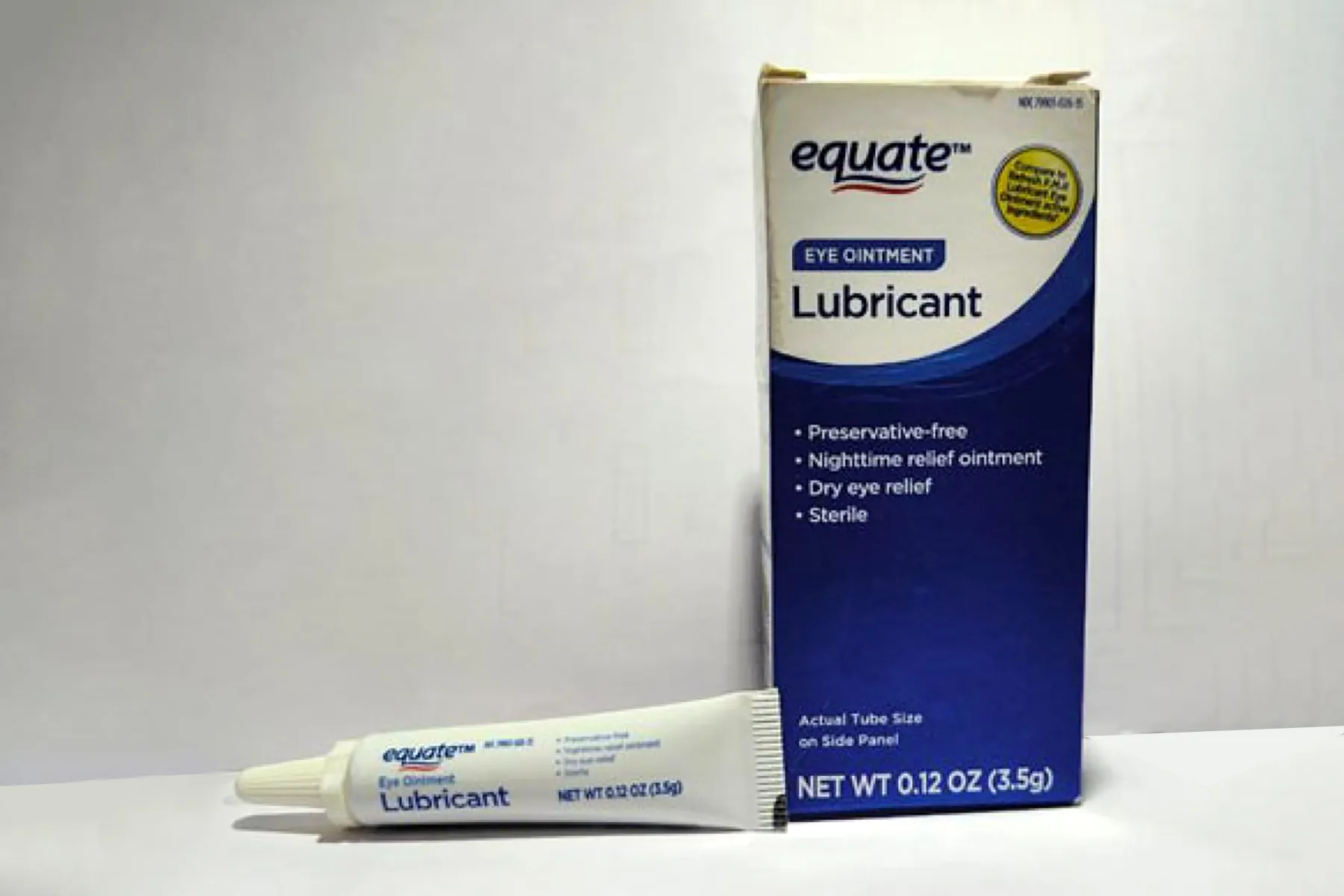
New Recall Warning Issued for Eye Lubricants Sold at Walmart, CVS
- Yet Another FDA Recall Affects Dozens of Eyedrop Products
October 30, 2023 — People who use eyedrops once again need to check whether their drops are on a newly issued recall list from the FDA.
- Glaucoma: A Hidden Threat to Vision Health Rising Swiftly
September 20, 2023 — It's predicted that by 2050, the number of people with glaucoma will surge by more than 200%, highlighting an urgent need for heightened awareness, early detection, and advanced treatment strategies.
- Avoid 2 Eye Drop Products, FDA Advises
August 24, 2023 — The FDA is urging the public to avoid buying or using two different kinds of eye drops because of possible bacterial or fungal contamination.
- Study Questions if Blue Light-Blocking Glasses Really Work
August 18, 2023 — Despite claims by their makers, blue light glasses probably don’t reduce eyestrain for people who spend a lot of time looking at computer screens or phones, according to an analysis published Thursday. The glasses probably don’t improve wearers’ sleep habits either, the study said.
- TikTok Craze for Castor Oil Is Dangerous, Eye Experts Say
August 7, 2023 — Eye health experts are speaking out to debunk the latest TikTok claims that castor oil can cure eye ailments.
- Protecting Your Eyes and Ears During the Summertime
July 25, 2023 — Summer is a time of fun and enjoyment, vacations, camp, and family trips. But many popular activities of summer, such as swimming, can have safety risks, especially to the eyes and ears.
- There May Be a Link Between Hot Weather and Poor Vision
June 30, 2023 — Older Americans living in warmer places tend to have more vision problems than older Americans living in cooler places, a new study says.
- Depression and Dry Eye Disease: Research Finds New Connection
June 14, 2023 — Doctors often note that patients with dry eye disease (DED) report low moods. Now, new research shows that the connection between dry eye disease and depression may actually be quite common. Here's what to know.
- Another Death, More Infections Linked to Recalled Eye Drops
May 22, 2023 — The number of people who developed treatment-resistant bacterial infections from tainted eye drops continues to grow. An additional 13 cases have been confirmed since the CDC’s last update in March, many of which were identified since the eye products were officially recalled.
- For Some LASIK Patients, Complications Damage Mental Health
May 9, 2023 — Since the dawning of the surgery, concerns have surfaced from a growing number of LASIK patients who aren’t satisfied with their results. While the majority of LASIK patients are satisfied, some have said the surgery has done more harm than good, and not just to their vision.
- Deadly Bacteria in Recalled Eyedrops Can Spread Person-to-Person
April 3, 2023 — The bacteria found in the deadly and blindness-causing eyedrops that were recalled earlier this year can spread person-to-person. Scientists are worried it could establish itself as a recurrent problem in the United States.
- Depression and Age-Related Macular Degeneration
Marilyn Gentile shares how the diagnosis affected her mental health and how she overcame it.
- What I Learned About Caring for Someone With AMD
It may be hard to learn that your loved one has AMD. Here’s how to help take care of them while still allowing them independence.
- Recalled Eye Drops Lead to More Deaths, Removals of Eyes
March 23, 2023 — More people have died after using eye drops contaminated with what the CDC calls “a rare strain of an extensively drug-resistant” bacteria.
- 2 Manufacturers Recall Eyedrops Over Safety Concerns
March 7, 2023 — Two manufacturers of eyedrops have recalled products over fears about contamination and sterility. The FDA issued recall notices last week for eyedrops made by Pharmedica and Apotex after the companies said they were voluntarily recalling the products.
- 10 New Cases of Avian Flu in Mammals Reported
March 1, 2023 — More animals have been detected with the H5N1 avian flu, the U.S. Department of Agriculture reports. The department’s Animal and Plant Health Inspection Service, which maintains a list of detections of avian flu, has recently added 10 new cases from four states and including five species.
- The Future of Treatment for Geographic Atrophy
Scientists are closer than ever to new therapies for geographic atrophy, an advanced form of the eye disease called dry age-related macular degeneration.
- FDA Broadens Warning on Potentially Contaminated Eye Products
February 22, 2023 — The agency says Delsam Pharma’s Artificial Eye Ointment may be contaminated with bacteria.
- Eyedrops Could Prevent Nearsightedness in Kids
February 14, 2023 — Atropine drops are used to relax eye muscles and dilate the pupils. Using a low concentration could prevent myopia, or nearsightedness, in children, says the research in the Journal of the American Medical Association.
- Recall: EzriCare Eyedrops Linked to Bacterial Outbreak
February 1, 2023 — A bacterial outbreak linked to eyedrops has caused one death and sickened at least 50 people in 11 states, the CDC says. Some patients have been hospitalized and some are now permanently blind.
- What FDA Input Means for Risks and Benefits of LASIK
January 17, 2023 — While patients who have had post-surgery problems amplify the FDA’s warnings, doctors say it remains a relatively safe and very effective procedure.
- Eyes Bulging, Not Feeling Quite Right? It Could Be Thyroid Eye Disease
Are your eyes dry, uncomfortable, and bulging? You could have thyroid eye disease, especially if you already have Graves’ disease. Learn more about TED.
- What It’s Like to Have Neuromyelitis Optica
Learn what it’s like to live with NMO and how it can change over time.
- Devices and Tech to Help You See With Low Vision
Learn more about low vision and the devices and tech to help you see.
- What Type of Inherited Retinal Dystrophy Do You Have?
You may not know about inherited retinal dystrophy, but this group of eye disorders can steal your vision. Learn more them and how your genes play a role.
- Being Diagnosed With Inherited Retinal Dystrophy
How do you face a diagnosis of a disease that will permanently affect your vision? Learn how someone who got that shocking news lives her best life now.
- The Genetics Behind Retinal Dystrophies
Learn from an expert why genetic testing critical for diagnosis of inherited retinal dystrophy and how gene therapy is the wave of the future in treatment.
- Inherited Retinal Dystrophy: The Importance of Early Diagnosis
Even though there’s no cure for most types of inherited retinal disease (IRD), an early diagnosis is still crucial for your quality of life. Here’s why.
- Gene and Cell Therapies for Inherited Retinal Dystrophy
Treatment for inherited retinal disease (IRD) is making important progress. Find out what’s available and how a clinical trial may offer new hope.
- Saving on Eye Care: Bargains and Risks
In a tough economy, saving money is on everyone's mind. But when it comes to eye care, experts say that what you do to save money today may put you at risk of much higher costs in the future.
- Bilberry Extract and Vision
Legend says the herb helped British pilots fly at night during World War II. But is it truth or a tall tale?
- Signs of Vision Problems in Young Kids
WebMD describes some common child eye problems, the screening process used to diagnose them, and how they're treated.
- Natural Vision Correction: Does It Work?
There’s a debate about the idea that you can correct your vision naturally, without glasses. Does it work?
- Could My Medications Affect My Sight?
A lot of medications could affect your eyes. Here's what you can do about it.
- Children's Vision and the New Classroom Technology
Could digital and 3D technology in the classroom hurt your child’s vision?
- Blake Mycoskie Starts Something That Matters
The founder of Toms Shoes steps into a new eyeglasses donation campaign. Plus: How his new book teaches others how to make a difference.
- Good Foods for Eye Health
Carrots may be the food with the biggest reputation for eye health. But other foods may be more important for preventing age-related macular degeneration and cataracts. Feast your eyes on these powerhouse foods for healthy eyes.
- Children’s Vision and Eye Care Basics
Routine eye exams play an important role in maintaining your child’s eye health. Learn how eye exams can detect vision problems and help protect your child’s eye health.
- Reading in Dim Light
Contrary to popular belief, reading in dim light will not ruin your eyesight.
- What Your Eyes Say About Your Health
They say the eyes are the windows to the soul. They’re also the window to your health.
- 5 Ways to Protect Your Eyes in Summer
Hazards to your eyes are lurking around every corner, but WebMD has 5 essential ways to protect yourself against eye injury.
- Summer Buyers' Guide: Sunglasses
Sunglasses this summer are oversized, colorful, and glitzy, with plenty of style to make a big splash when you head out into the sun.
- My Odyssey With LASIK Surgery
Not everyone achieves perfect eyesight. Consider the pluses and minuses before deciding if it's right for you.