Bad Bugs Slideshow: Identifying Bugs and Their Bites

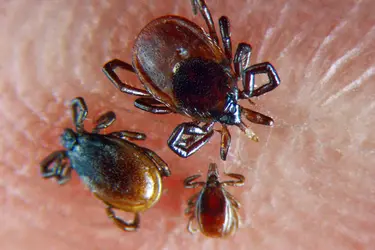
Ticks
Many bugs give us reason for pause, including spiders, chiggers, bees and lice. But few get under our skin -- quite literally -- like the tick. If you enjoy the outdoors, be careful of ticks -- they can attach as you brush past grass and plants. Ticks don't always carry diseases, and most bites are not serious. But they can carry diseases including Lyme disease and Rocky Mountain spotted fever.

Tick Bites
Once a tick latches onto skin, it often moves to the warm, moist armpits and groin -- feeding on blood and passing on any disease it carries. A tick bite can also trigger an allergic reaction. If you have a tick, it is important to remove it properly. To prevent tick bites, keep your arms, legs, and head covered when outdoors. Use tick repellant with DEET on skin or clothing, or products with permethrin on clothing. Check for ticks after spending time in grassy or wooded areas.

Lyme Disease
In the U.S., the Western black–legged tick and the deer tick can carry Lyme disease bacteria. Infected ticks usually don't spread the disease until they've been attached for at least 36 hours. The first sign of infection is often a circular skin rash. Early symptoms may also include fever, headache, and fatigue. Untreated Lyme disease may spread to other parts of the body, including the muscles, joints, heart, and nervous system. If you have symptoms or are worried, see your doctor.

Black Widow Spiders: Venomous!
Wood piles and tree stumps -- that's where venomous female black widows hide. They are long-legged and glossy black, with a distinctive orange, red, or yellow "hourglass" shape on their underside. These spiders are roughly 1/3 inch wide and 1 1/2 inches long, counting their long legs.

Black Widow Spider Bites
Black widow spider bites may cause stabbing pain in the bite area, but they can also be painless. Look for one or two red fang marks, redness, tenderness, and a nodule at the bite site. Severe muscle cramps, nausea, vomiting, seizure, and a rise in blood pressure may follow soon after. Get medical care immediately. Anti-venom medicine is available. If possible, bring the spider with you for positive identification.

Asian Giant Hornet
Vespa mandarinia is the largest and most dangerous species of hornet in the world. It’s nicknamed “murder hornet” because a few dozen of them may decapitate and wipe out a hive of 30,000 honeybees or bumblebees in mere hours. This black and yellow-orange striped hornet was spotted in North America for the first time in 2019. It doesn’t usually bother people or pets. But it can sting dozens of times if threatened.

Asian Giant Hornet Stings
Its stinger is a quarter-inch long and tough enough to pierce protective beekeeper wear. Venom from an Asian giant hornet is more toxic than from a domestic bee or wasp. A sting may feel like a hot nail. The venom can be serious or even deadly if you’re allergic. Walk away calmly if you spot the hornets. Put ice on the area right away if you’re stung. Get medical care if you’re stung multiple times

Brown Recluse Spiders Can Be Deadly
Hiding in attics and closets -- in Midwestern and Southern states -- that's where you'll find brown recluse spiders. The spiders range in color from yellowish-tan to dark brown, with darker legs. Their venom is extremely toxic, and their bite can cause serious wounds and infection. Yet you may not feel their bite.

Brown Recluse Spider Bites
When the brown recluse bites, it is often painless -- then skin reddens, turns white, develops a red "bull's-eye," blisters, and becomes painful. These bites can be deadly in rare cases. Get medical care immediately. If you can, bring the spider with you for positive identification.

Head Lice: Itchy!
In hair -- that's where you'll find lice. They like to hide in the neck area of the scalp and behind the ears. If you have lice, you likely got it from sharing a hat, brush, or other item with a person who has lice. Lice are itchy, but scratching can lead to infection. In severe cases, hair may fall out.

Head Lice Remedies
To kill lice and their eggs (called nits), use lotions, creams, or shampoos from the drug store or prescribed by your doctor which are designed specifically for lice. You'll also need to use a comb to get rid of the nits. In some areas, lice are resistant to permethrin; check with your doctor about which treatment is best. Wash clothing, bedding, and brushes in hot water and dry in a hot dryer of dry clean to prevent the spread of lice. Check all household members, and treat everyone who has nits or lice.

Fleas: Not for Pets Only
Fleas are small, wingless, agile insects that live off the blood of their host -- and they don't just bite pets. They dine on people, too.

Flea Bites
Some people are very sensitive to flea bites -- but scratching can cause a wound or infection. The best solution is to get rid of fleas on pets and in your home. Keep pets out of your bed and be sure to vacuum rugs daily. Spray insecticides according to directions on infested areas. Consider using a veterinary approved insecticide on your pet.

Bee, Wasp, Hornet, Yellow Jacket
When certain types of bees sting, they lose their stinger and die. But a wasp, hornet, or yellow jacket can inflict multiple stings because it does not lose the stinger. These stings can cause serious reactions in people who are allergic to them.

Bee, Wasp, Hornet, Yellow Jacket Stings
If you don't have an allergic reaction, simply remove the stinger, clean the sting site, apply ice, take oral antihistamine for itching, and take ibuprofen or acetaminophen for pain relief. If you have a severe anaphylactic reaction, use an epinephrine auto-injector if you have one. Call for emergency care. Lie down and carefully remove the stinger without squeezing the venom sac.

Fire Ants: Ouch!
Fire ants look much like ordinary ants -- and are found in most of the Southern states. They produce large mounds in open areas and are aggressive when disturbed. During an attack, the fire ant latches onto the skin with its jaw, then stings from its abdomen. It may inject venom many times.

Fire Ant Stings
The fire ant sting typically causes red lesions that burn and itch. Painful pus-filled lesions can also occur. Cold packs, pain relievers, and antihistamines can help relieve the discomfort. A large number of stings may trigger a toxic or severe life-threatening allergic reaction. Get emergency care.

Chiggers: Itchy!
Contrary to popular belief, chiggers are not insects; they are arachnids. Specifically, chiggers are the juvenile (or larval) form of a family of mites called Trombiculidae. They only dine on humans in their juvenile form. Their bites are painless, but lesions are very itchy. Itching usually peaks a day or two after you're bitten.

Chigger Bites
After a few days of being attached to the skin, chiggers fall off -- leaving itchy red welts. Over-the-counter products can help relieve itching. See your doctor if the skin appears infected or the welts appear to be spreading.

Scabies: Stealthy Pests
When scabies mites get into the skin, they can cause a big skin problem. The mites spread through skin-to-skin contact with an infected person -- or by sharing towels, bed linens, and other objects.

Treating Scabies
Intense itching and skin sores don't appear until several weeks after mites get into skin. The itching is very severe and usually worse at night. The rash typically is seen on the sides and webs of the fingers, the wrist, elbows, genitals, and buttock. You'll need prescription lotion or pills to get rid of scabies. Wash all clothes, towels, and bedding in hot water and dry in a hot dryer or dry clean.

Bedbugs: Hitching a Ride
Their name tells the tale, as these tiny insects tend to hide in bedding. They are often found in hotels, shelters, and apartment complexes -- and can hitch a ride into your home aboard luggage, pets, and boxes.

Bedbug Bites
Bedbugs leave itchy, red bites on the skin, usually on the arms or shoulders. More of a nuisance than a health hazard, it is possible to develop an infection from scratching. If you have an allergic skin reaction, use creams with corticosteroids and take oral antihistamines -- and see your doctor.

Puss Caterpillar: Southern Stinger!
The most venomous caterpillar in the U.S., puss caterpillars can be found in Southern states where they feed on shade trees like elm, oak, and sycamore. The venom is hidden in hollow spines among the hairs.

Puss Caterpillar Stings
When a puss caterpillar stings, you may get waves of intense pain, rash, fever, vomiting, and muscle cramps. Remove the broken-off spines by using cellophane tape or a commercial facial peel -- and call your doctor right away.

Scorpions: Deadly!
All scorpions are venomous, but only a few species are dangerous to people. Scorpions are found mostly in the Southern and Western states. Symptoms of a sting include pain, swelling, itching, vomiting, increased sweating, and vision problems. Get medical care immediately.

Deerflies: Painful!
These biting flies live in wetlands, forests, and other damp environs. Keep these painful bites clean and avoid scratching to help prevent infection. Some types of deerflies spread Tularemia, an infectious bacterial disease that requires medical attention. Insect repellant and protective clothing help prevent deerfly bites.

Mosquitoes: More Than Irritating!
Mosquitoes aren't just annoying, they rank anong the world's deadliest animals. Scratching a bite can cause a skin infection. Also, mosquitoes can carry West Nile virus, dengue fever virus, and other diseases including malaria. To protect yourself from mosquitoes, apply insect repellent and cover up when you go outdoors. Use window screens, and get rid of standing water in your yard.

Houseflies: Dirty, Hairy!
A housefly is a dirty insect -- carrying more than 1 million bacteria on its body. It can spread intestinal infections by contaminating food. To control flies, keep food and garbage in closed containers and use window screens on your home.

Cockroaches: Ugly Trouble
They're not just ugly. Cockroaches carry diseases like salmonella. They can trigger allergic reactions and asthma. If you live in a warm climate, getting rid of cockroaches can be difficult. It helps to use pesticides (or an exterminator), keep a clean kitchen, and repair cracks and holes in floors and walls.