Head Lice: What You Need to Know

What Are Head Lice?
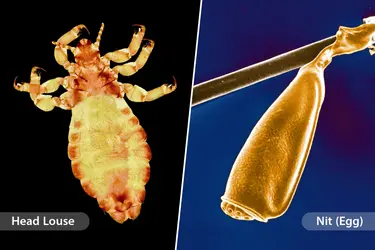
Head lice are tiny six-legged insects that cling to your scalp and neck and feed on human blood. Each louse is only about the size of a sesame seed, so they can be hard to spot. Lice lay their eggs, called nits, on hairs near the scalp, so they’re even harder to see. A glue-like substance holds them in place.

They Mostly Affect Kids
Head lice are most common in young children who go to day care, preschool, or elementary school. Children this age often play together closely and come into contact with one another’s hair. They may also share brushes, hats, hair clips, and the like. Adults who live with children also have a higher risk of getting head lice.

They Spread Through Direct Contact
Lice usually crawl from one person's hair into another's. They can also survive for a short period on clothing or other personal items, so a shared hairbrush can help a louse find a new host. Lice can’t jump or fly from one person to another.

They’re Easy to Spot
Although lice and their nits are small, you can see them with the naked eye. They can be white, brown, or dark gray. You’re more likely to find them in the hair at the back of your neck or behind your ears. The nits are round or oval specks that are tightly stuck to hairs near the scalp. If you try to slide them off, they won't budge. Combing through wet hair is a great way to spot an infestation.

They May Not Cause Symptoms
Spotting a live louse or nymph (a young louse) is often the only sign of an infestation. Seeing nits alone doesn't confirm an infestation. Head lice don't always cause discomfort. When symptoms do happen, the most common problem is itching. It may not start until weeks or even months after the lice move in.

They Can Cause Allergies
The itching from lice is caused by an allergic reaction to the bug bites. A lot of scratching may lead to sores or raw skin on the scalp. It’s rare, but sores related to scratching can become infected. Call a doctor quickly if you notice signs of infection like red, swollen, or painful skin or tender lymph nodes in your neck.

You Have to Treat Them
Head lice will not go away on their own. If you think your child has an infestation, there are several steps you should take right away. Call your doctor to confirm the diagnosis. Notify your child's day care or school so other students can be checked. Examine all other members of the household for signs of lice. Finally, treat everyone who's infected at the same time.

There Are a Variety of Treatments
Over-the-counter lice-killing treatments are considered safe, but they may not be best for young children. These products kill lice but not nits. Follow instructions carefully for how long to leave the medication on and how to wash it off. You may need a second treatment 9 to 10 days later. If two treatments don't do the job, see your doctor for stronger medication.

Lice Removal Is Big Business
You may find a company in your area that that offers to treat you or your child for lice. Some comb out the lice and nits for you. Others also apply treatments that they say dissolve the glue-like substance that holds nits to your hair. Or they might use an FDA-approved hot air device that kills lice and eggs.

How to Rid Your Home of Lice
Lice don't survive long on bedding, but it's best to wash the sheets of anyone being treated for lice in hot water. The same goes for clothing worn in the past 48 hours. While parents are sometimes told to clean and quarantine all of a child's stuffed animals, experts say this isn’t necessary. If your child sleeps with a favorite plush toy, pop it in the hot dryer for 20 minutes or seal it in a plastic bag for 2 weeks. That should kill any creepy-crawlies.

Home Remedies Can’t Hurt
Some parents claim mayonnaise, white vinegar, olive oil, or tea tree oil are good natural remedies for head lice. Mayonnaise is said to smother lice if you apply it thickly and keep it on overnight under a shower cap. Vinegar is rumored to dissolve the glue that keeps nits stuck to the hair. While there is no scientific evidence to support these home remedies, pediatricians say there's no harm in trying them, but don't use them as the main treatment.

Use Fine-Toothed Combs
Fine-toothed combs are another way to get rid of lice. These combs have teeth fine enough to pull out lice and their nits. They worked for the ancient Egyptians -- nit combs have been found in their tombs. The drawback is that it takes time and patience to comb out every last nit. You may have better luck treating the hair with a medicated shampoo then combing it to get rid of any stragglers.

Head Lice Myths
Head lice aren’t a scourge of the lower classes, or a sign of poor hygiene. They affect people across all levels of income, social class, and cleanliness. The bugs can survive underwater for up to 6 hours, so even folks who bathe regularly are just as vulnerable. The good news is lice don’t carry diseases.

Head Lice at School
Don’t keep a healthy child home from school because of lice. Just make sure they avoid head contact with others. After treatment, dead eggs may remain in a child's hair until they are removed. Some schools have a "no nits" policy, meaning you must remove the eggs before the child returns to class. The American Academy of Pediatrics discourages this policy.

Guarding Against Head Lice
If you have young children, there's little you can do to ward off head lice. Kids will be kids, and when they put their heads together or share hair bows, lice get a ticket to ride. Your best defense is to examine your child's hair and scalp regularly so you can catch an infestation early. Quick treatment will help prevent the bugs from spreading to the rest of the family.

Super Lice Are a Myth
Yes, some lice have become resistant to treatment with common remedies, but they don’t have superpowers. If they haven’t been reported in your area, you probably don’t have to worry. You’re more likely to have trouble getting rid of lice because you didn’t use the treatment properly, you misdiagnosed dandruff as lice, or you or your child got reinfested.