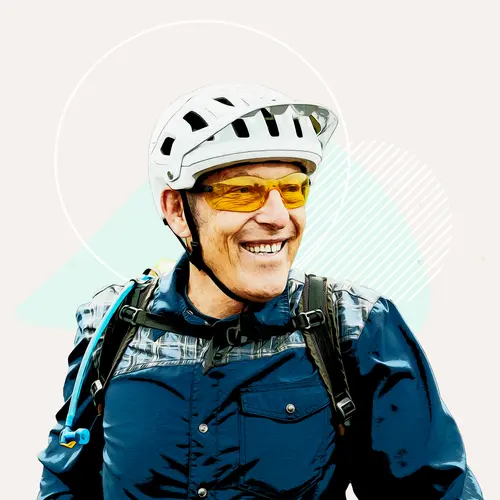

Your heart is a muscle, and it gets stronger and healthier if you lead an active life. It's never too late to start exercising, and you don't have to be an athlete. Even taking a brisk walk for 30 minutes a day can make a big difference.
Once you get going, you'll find it pays off. People who don't exercise are almost twice as likely to get heart disease as people who are active.
Regular exercise can help you:
- Burn calories
- Lower your blood pressure
- Reduce LDL "bad" cholesterol
- Boost your HDL "good" cholesterol
Ready to get started?
How to Start Exercising
First, think about what you'd like to do and how fit you are.
What sounds like fun? Would you rather work out on your own, with a trainer, or in a class? Do you want to exercise at home or at a gym?
If you want to do something that's harder than what you can do right now, no problem. You can set a goal and build up to it.
For example, if you want to run, you might start by walking and then add bursts of jogging into your walks. Gradually start running for longer than you walk.
Don't forget to check in with your doctor. They'll make sure you're ready for whatever activity you have in mind and let you know about any limits on what you can do.
Types of Exercise
Your exercise plan should include:
Aerobic exercise ("cardio"): Running, jogging, and biking are some examples. You're moving fast enough to raise your heart rate and breathe harder, but you should still be able to talk to someone while you're doing it. Otherwise, you are pushing too hard. If you have joint problems, choose a low-impact activity, like swimming or walking.
Stretching: You'll become more flexible if you do this a couple of times a week. Stretch after you've warmed up or finished exercising. Stretch gently -- it shouldn't hurt.
Strength training. You can use weights, resistance bands, or your own body weight (yoga, for instance) for this. Do it 2-3 times a week. Let your muscles recover for a day between sessions.
How Much Should You Exercise and How Often?
Aim for at least 150 minutes a week of moderate-intensity activity (such as brisk walking). That amounts to about 30 minutes a day at least 5 days a week. If you're just getting started, you can slowly build up to that.
In time, you can make your workouts longer or more challenging. Do that gradually, so your body can adjust.
When you work out, keep your pace low for a few minutes at the start and end of your workout. That way, you warm up and cool down each time.
You don't have to do the same exact thing every time. It's more fun if you change it up.
Exercise Precautions
You'll probably be able to exercise with no problem if your doctor says you can and if you pay attention to how you're feeling while you're working out.
Stop and get immediate medical help if you have pain or pressure in your chest or the upper part of your body, break out in a cold sweat, have trouble breathing, have a very fast or uneven heart rate, or feel dizzy, lightheaded, or very tired.
It's normal for your muscles to be mildly sore for a day or two after your workout when you're new to exercise. That fades as your body gets used to it. Soon, you might be surprised to find that you like how you feel when you're done.