15 Ways to Make Your Food Safer
Tainted animal feed. Spinach scares. Peanut butter recalls. Food safety has been big news lately, which is making many people think twice about what's on their plates.
First, the facts. The FDA says some U.S. hogs, poultry, and farmed fish recently ate animal feed containing Chinese ingredients tainted with an industrial chemical called melamine. But the FDA says people who ate meat from those animals are likely at "very low" risk of melamine-related health problems.
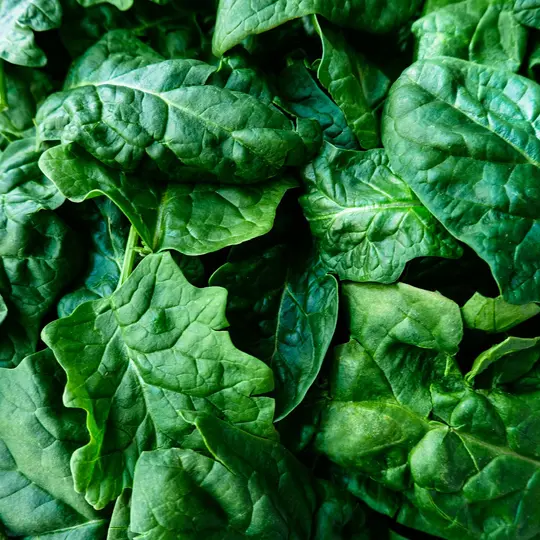
The source of the salmonella outbreak in Peter Pan and Great Value peanut butter has been found, and maker ConAgra plans to start shipping Peter Pan Peanut Butter to retailers this summer. And Last fall's E. coli outbreak in fresh bagged spinach is over.
Despite the spate of food safety snafus, America's food safety system works, CDC senior epidemiologist Linda Demma, PhD, tells WebMD.
"I certainly don't think it's broken. I think we can improve, but I don't think it's broken," says Demma, who works in the enteric disease epidemiology branch of the CDC's division of foodborne, bacterial, and mycotic diseases.
"All the food safety agencies are working very hard to collaborate and come up with some ideas on how to improve the meat and produce industry as a whole," Demma says, adding that food industries "are being very cooperative."
In light of food safety issues, the FDA recently created a new FDA job -- assistant commissioner for food protection -- and appointed David Acheson, MD, FRCP, to fill that post. Earlier this year, the FDA issued new guidelines for the fresh-cut produce industry, which market packaged, minimally processed fresh fruits and vegetables.
While food safety controls are being tweaked, here are 15 tips on making your food safer, from the market to the table.
1. Consider your source. Eating locally grown food is becoming more popular, but that doesn't necessarily mean it's safer than supermarket produce.
"Just because you grow it in a farm down the street, it doesn't make it any safer or worse than any other produce that you get," Suresh Pillai, PhD, tells WebMD.
Pillai is a professor of food safety and environmental microbiology at Texas A&M University.
Locally grown food "is pretty much on par with what you would find in a supermarket," in terms of food safety, Demma agrees. "Of course, there [are] other reasons to buy and eat locally," she says.
At farmers markets, you may get the chance to meet and talk with the people who produced your food.
Farmers markets have become more common, with 4,385 U.S. farmers markets in 2006, up from 1,755 farmers markets in 1994, according to the U.S. Department of Agriculture (USDA).
Eating food shipped from overseas? The melamine-tainted animal feed ingredients came from China. But that doesn't mean that all imported food is suspect.
Related to Healthy Eating & Nutrition
Today in Food & Recipes
WebMD Recipe Finder
Browse our collection of healthy, delicious recipes, from WebMD and Eating Well magazine.