14 Delicious Ways to Season Your Chicken

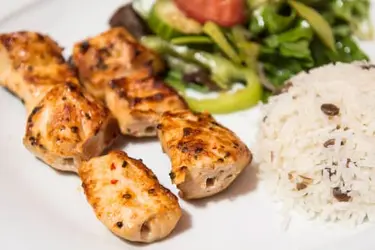
Baharat
Baharat is a Middle Eastern spice blend used to season all kinds of meats. It can include allspice, peppercorns, cardamom, cassia bark, cloves, coriander, cumin, nutmeg, red chili, and paprika. Try it on baked chicken skewers with a bit of olive oil.

Piri Piri
Portuguese settlers arrived in Southern Africa with peppers the locals called piri piri, which means “hot hot” in Swahili. There’s debate about who decided to put it in a tomato marinade for chicken, but everyone agrees that it’s delicious.

Tandoori
This Indian chicken dish is traditionally baked in a clay oven heated with charcoal or wood, which adds a smoky flavor. But you can make a version at home. Heat the spices -- which include coriander, cayenne pepper, and turmeric -- in oil to bring out the flavor before whisking with yogurt to make the marinade.

Nashville Hot Chicken
Legend has it a Tennessee woman got so mad at her womanizing boyfriend that she decided to teach him a lesson by making his chicken so spicy it would burn his mouth. But it backfired: He loved it. And thus was born the legend of “Nashville Hot Chicken”: It’s just like regular fried chicken but with a cayenne pepper kick.

Lemongrass
Marinate the chicken in a mixture of lemongrass, soy sauce, red chili, turmeric, and a high-quality Vietnamese fish sauce (made from anchovies, salt, and water). The result is tangy and light with a slight kick.

Curry
Endless versions of this are made throughout Asia, the Caribbean, and Africa. Some add cream, butter, or coconut milk to make a sauce. The “curry” is a mixture of spices that varies but often includes coriander, cumin, turmeric, ginger, mustard, fenugreek, and cinnamon.

Chili Lime
Combine a tangy smack of lime juice with the sharp bit of chili powder to wake up your taste buds in the middle of a hot summer day. Mix chili powder, cumin, paprika, cinnamon, and a little sugar to make the rub. Let the chicken marinate in lime juice for at least 30 minutes before you put it on. Then grill it to perfection.

Fesenjan
This is a traditional Persian chicken stew made from the bounty of fall -- ground walnuts and pomegranates -- and served with rice. You reduce pomegranate seeds over heat to make syrup for the sauce and sprinkle some fresh ones on top to make it beautiful.

Molasses and Bourbon
These two ingredients make a good start. You can also add butter, brown sugar, Worcestershire sauce, mustard, onion, and chili powder -- not a low-calorie combo. The result is savory-sweet, slightly spicy, and delicious.

Shawarma
There are homemade versions, but this Middle Eastern street food traditionally is made over a large spit. Stacked boneless meat is basted for hours in its own juices and a mixture of cumin, coriander, garlic, paprika, turmeric, cloves, cayenne pepper, and black pepper. It’s usually served in pita bread, and when it’s made right, the smell is impossible to resist.

Bacon Wraps
If you’re one of the many who believe everything in life is made a little better with bacon -- and a lot better with a lot of bacon -- this recipe is for you. Cube some chicken breast and wrap each in about a third of a strip of bacon. Secure it with a toothpick and dredge in a mixture of chili powder and brown sugar before baking.

Tikka Masala
Garlic, ginger, turmeric, garam masala, coriander, and cumin season the chicken in this slightly sweet and very savory dish that's common at Indian restaurants in the West. Some say the dish evolved in Britain as a way to tame Indian cuisine for a Western palate. Wherever it’s from, when you have a craving for chicken tikka masala, nothing else will do.

Doro Wot
You can find this traditional dish on the menu at most Ethiopian restaurants. The chicken is rubbed with a “berbere” spice blend of cayenne pepper, garlic, ginger, fenugreek, cardamom, cumin, black pepper, allspice, turmeric, cloves, cinnamon, and coriander.

Herbes de Provence
Rub a whole chicken with olive oil, garlic, and this traditional mix of spices from southern France: savory, rosemary, marjoram, and thyme. Lavender, fennel, sage, tarragon, and even citrus zest are sometimes added.