Should We Fear Our Food?
Irradiated Food continued...
The Potential Danger
Though most food scientists point to a 50year research history showing
irradiation to be safe, some activist groups claim that the process changes
food flavor, destroys nutrients, and forms compounds called unique radiolytic
products that may raise the risk of cancer.
Should You Worry?
Dozens of scientific organizations around the world have concluded that
irradiation is safe. "There's no scientific basis for concern," says
Anna Resurreccion, Ph.D., a professor of food science and technology at the
University of Georgia, Griffin. Knocking electrons around in food does form
unique radiolytic products, she says, but the low doses of irradiation needed
to kill germs aren't powerful enough to produce harmful levels of the
compounds. As for taste, "There's absolutely no difference," says
Resurreccion. "The only difference is that irradiated food is safer. Why
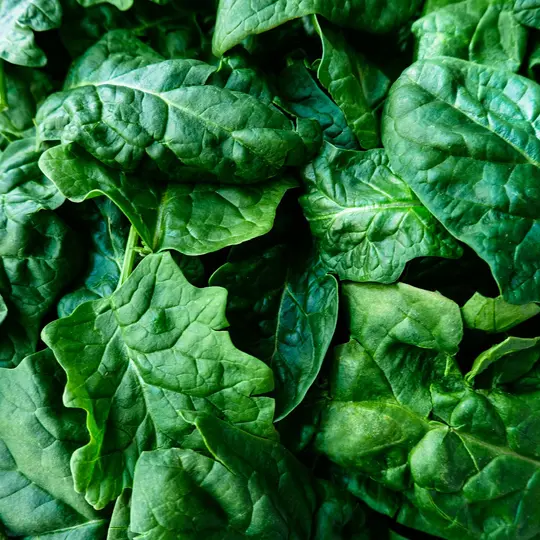
are people dying from eating contaminated spinach when technology is available
to reduce or eliminate the problem?"
In the wake of recent E. coli outbreaks, consumer organizations are taking a fresh look at irradiation. But you may not find irradiated food on grocery shelves. Says Foreman: "It must carry a label showing it's irradiated," [a flowerlike image surrounded by a broken circle] "and many people won't buy it." Which just goes to show that it's smart to educate yourself fully about technology's impact on food, so that unsubstantiated fears won't turn you away from healthy choices.
Irradiated Food
It sounds like something out of Star Trek : Make food safe by killing germs with an invisible ray. But there's nothing fictional behind the science of irradiation, a technology in which prepackaged food is exposed to gamma rays from radioactive substances, shot with electrons from an electron gun, or zapped with Xrays. The highenergy beams or rays kill most, if not all, dangerous microorganisms such as E. coli by breaking apart molecular bonds in their DNA.
The Potential Danger
Though most food scientists point to a 50year research history showing
irradiation to be safe, some activist groups claim that the process changes
food flavor, destroys nutrients, and forms compounds called unique radiolytic
products that may raise the risk of cancer.
Should You Worry?
Dozens of scientific organizations around the world have concluded that
irradiation is safe. "There's no scientific basis for concern," says
Anna Resurreccion, Ph.D., a professor of food science and technology at the
University of Georgia, Griffin. Knocking electrons around in food does form
unique radiolytic products, she says, but the low doses of irradiation needed
to kill germs aren't powerful enough to produce harmful levels of the
compounds. As for taste, "There's absolutely no difference," says
Resurreccion. "The only difference is that irradiated food is safer. Why
are people dying from eating contaminated spinach when technology is available
to reduce or eliminate the problem?"
In the wake of recent E. coli outbreaks, consumer organizations are taking a fresh look at irradiation. But you may not find irradiated food on grocery shelves. Says Foreman: "It must carry a label showing it's irradiated," [a flowerlike image surrounded by a broken circle] "and many people won't buy it." Which just goes to show that it's smart to educate yourself fully about technology's impact on food, so that unsubstantiated fears won't turn you away from healthy choices.
Related to Healthy Eating & Nutrition
Today in Food & Recipes
WebMD Recipe Finder
Browse our collection of healthy, delicious recipes, from WebMD and Eating Well magazine.