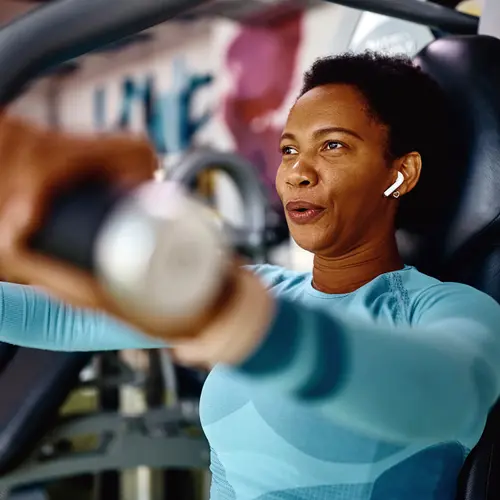
You have a lot of say-so in how you feel as you grow older -- from your heart and eyes to your skin and bones.
You can enjoy a better body by knowing what’s natural as you age and what’s not and by learning simple steps you can try to delay or lessen the changes.
Your Heart Works Harder
As you get older, your blood vessels and arteries become stiffer. Your heart has to work harder to pump blood. This can lead to high blood pressure and other heart problems.
Try this: Stay active. Walk, run, swim -- even a little moderate exercise each day can help you stay at a good weight and keep your blood pressure down.
Eat lots of fruits, vegetables, and whole grains to keep your heart healthy. Manage stress. Get enough sleep. 7 to 8 hours of rest each night can help repair and heal your heart and blood vessels.
Your Skin Feels Different
You might notice that your skin feels drier and less supple than it once did. That’s because your skin makes less natural oil as you age.
Also, you sweat less, and you lose some of the fatty tissue just below the skin. This can make it seem thinner.
You may also notice wrinkles, age spots, and skin tags, or tiny growths of skin.
Try this: Hot water dries skin out, so take warm baths and showers.
Wear sunscreen and protective clothing when you’re outdoors. Check your skin often and tell your doctor if you notice changes, such as moles.
If you smoke, this is another good reason to try to stop. It can cause wrinkles.
You Find It Harder to See and Hear
You may find it hard to focus on objects up close. You might need reading glasses for the first time. Perhaps you see more glare or find it hard to adapt to abrupt changes of light.
When it comes to your hearing, you could have a hard time following conversations in a crowded room or hearing at high frequencies.
Try this: Get your vision and hearing checked regularly. Wear sunglasses to protect your eyes outdoors. Wear earplugs to protect against or block loud noises.
Your Teeth and Gums Change
You might notice your gums seem to pull away from your teeth. Some medicines make your mouth feel drier. Dry mouth might put you at higher risk for tooth decay and infections.
Try this: Each day, brush twice and floss once to get rid of food and plaque between your teeth. It’s the best way to help prevent gum disease and tooth loss. Also, see your dentist for regular checkups and cleanings.
Your Bones Become More Brittle
As early as your 40s and 50s, your bones begin to weaken. They become less dense and more brittle. This increases your risk of fracture.
You might even notice you seem to be shorter. In fact, beginning in your 40s, you might get shorter by 1 to 2 inches. That happens when the disks in your spine shrink.
Your joints might feel stiffer. Fluid and cartilage that line the joints can decrease or wear away with age. As the tissues between your joints break down, you may develop arthritis.
Try this: Make sure you get enough calcium and vitamin D. Good sources of calcium in your diet include dairy products, almonds, and vegetables such as broccoli and kale. Your doctor may also recommend calcium supplements.
Vitamin D is vital to bone health because it helps the body absorb calcium and maintain bone strength.. Some people are able to get enough of this nutrient by spending time in sunlight. You can also get it from tuna, sardines, egg yolks, and fortified foods such as milk and many cereals. Ask your doctor whether you need a supplement.
Going to the Bathroom
You might find it harder to control your bladder. This is called “urinary incontinence.” It happens to an estimated 10% of people 65 or older.
Many of these people get a little leakage when they cough or sneeze, but some lose a large amount of pee before they can get to the bathroom. For women, menopause can be a factor. For men, an enlarged prostate might be the issue.
You might also notice that you’re not as regular as you used to be. Some conditions, such as diabetes, can slow down your bowels. Some medicines might make you constipated. These include medicines that treat blood pressure, seizures, Parkinson disease, and depression. Iron supplements and narcotic pain medicines can also lead to constipation.
Try this: If you get the urge to “go” a lot, see your doctor. In most cases, symptoms can be controlled or even cured.
Try to avoid caffeine, alcohol, sodas, and foods high in acid. These can make the condition worse.
Kegel exercises can tighten your pelvic floor muscles and may help with bladder control. Squeeze as if you’re holding your pee. Wait five seconds, then relax for five seconds. Do this four or five times in a row several times a day.
To avoid constipation, eat plenty of high-fiber foods such as fruits, vegetables, and whole grains. Drink lots of water. Try to exercise every day. It can help get your bowels moving.
It’s Harder Getting Around or Staying Strong
As we age, we lose muscle mass, and that can lead to weakness and reduced activity.
Try this: Get some moderate exercise every day, such as a brisk walk or lifting light weights. It will help with muscle strength and function. Check with your doctor to see how much activity is right for you.
Eat lots of fruits, vegetables, and lean proteins such as fish and chicken. Stay away from sugar and foods that are high in saturated fat. And eat smaller portions. You probably don’t need as many calories as you once did.
Your Sex Life Changes, Too
During menopause, a woman’s vaginal tissues become drier, thinner, and less elastic. It might make sex less pleasurable. Breasts lose tissue and fat and can seem smaller and less full.
As men age, they may find it harder to get or keep an erection. This may be due to other health conditions as well as side effects of treatments.
Try this: Talk to your doctor. They can prescribe medications to ease physical symptoms or ramp up your desire for sex.
We can’t turn the clock backward. But with patience, care, and smart lifestyle changes, we can make the most of our bodies as we age.