
Since the first retinoid was approved for acne in 1971, these drugs have been hailed by many as a cure-all for skin problems. Although retinoids may not be the answer to every skin condition, there are several with proven results.
Retinoids for Acne
If you have moderate to severe acne that hasn't gotten better with other treatments, a retinoid may help. When spread on the skin, retinoids can unclog pores, allowing other medicated creams and gels to work better. They also reduce acne outbreaks by preventing dead cells from clogging pores. By clearing acne and reducing outbreaks, they may also reduce the formation of acne scars.
Retinoid creams, foams and gels treat oil production, bacteria that cause acne, and inflammation.
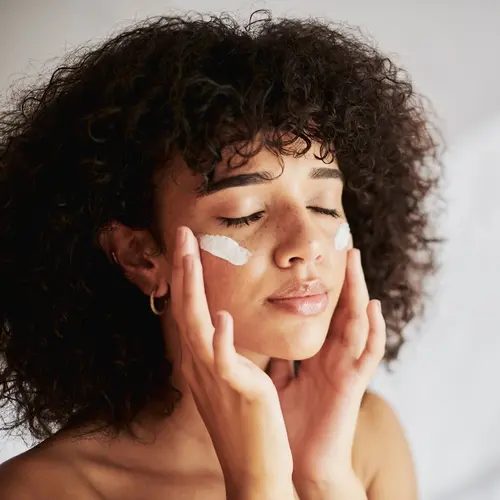
How to use: Smooth a pea-sized amount of retinoid cream over the skin once a day 20 to 30 minutes after washing your face.
What else you need to know: When you first use retinoids, you may notice redness, peeling of your skin, or worsening of your acne. You can minimize this by using the product every other day until your body gets used to it, or mix it with moisturizer.
Retinoids for Wrinkles
Tretinoin was the first retinoid approved by the FDA to treat wrinkles. This prescription retinoid works by increasing the making of new collagen. It also stimulates new blood vessels in the skin, giving skin a rosy appearance, fading age spots, and reducing precancerous skin spots called actinic keratosis. Tretinoin also may help prevent more serious effects of ultraviolet radiation.
Over-the-counter retinoids may not work as well as tretinoin in reducing wrinkles, but they can improve the appearance of sun-damaged skin. Using them along with products that have alpha-hydroxy acids may provide even more skin-smoothing effects.
How to use: Apply to your face, neck, chest, hands, and forearms every other week.
What else you need to know: It takes 3 to 6 months of regular use before improvements in wrinkles are seen, with best results happening after 6 to 12 months.
Tazarotene and trifarotene are other types of retinoids.
Retinoids for Psoriasis
Retinoids can slow the growth of skin cells in patients with psoriasis. Usually, you apply a small dab to each sore once a day before bed. A retinoid cream or gel is often combined with steroid treatment.
Retinoids for Warts
Doctors may prescribe retinoids for warts, particularly when other treatments have failed. Retinoid cream works by disrupting the wart's cell growth.
How to use: Follow your doctor's instructions for applying retinoids to warts. Creams may need to be used for a few months before warts disappear.
What else you should know: Retinoids may be the best treatment for flat warts on the back of your hands.
Side Effects and Precautions
Although retinoids are helpful for many common skin problems, they are not without risks. Risks include:
- Dryness and irritation
- Skin color changes
- Sensitivity to sunlight
- Redness, swelling, crusting, or blistering
How to Minimize Risks
- Stay out of the sun. If you must be outdoors, limit your hours, especially between 10 a.m. and 2 p.m. Wear sunscreen, preferably with a sun protection factor (SPF) of 30 or higher, and protective clothing, such as a long-sleeved shirt, pants, and a large-brimmed hat.
- Never use more of the product or use it more frequently than your doctor prescribes or the package label says. Doing so will not increase its effectiveness, but will increase side effects.
- Use a moisturizer along with topical retinoids. Doing so will reduce skin drying without interfering with the product's effectiveness.
Pregnant women or women who are planning on becoming pregnant should not use retinoids.