
Sources of Salt and How to Cut Back

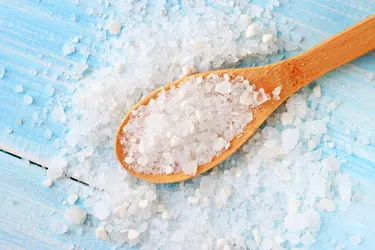
How Much Is Too Much?
Your body needs sodium to balance fluids and maintain your nervous system. Americans eat on average about 3,400 mg of sodium per day. Dietary guidelines call for eating no more than 2,300 milligrams (mg) per day. That’s about 1 teaspoon of table salt. Your doctor may recommend far less depending on your health risks. Nearly half of all Americans need that lower limit.

Check Labels
Most of the sodium we get is from packaged and processed foods, so make it a habit to read Nutrition Facts labels. Look for foods that have less than 120 mg of sodium per serving. Double-check the serving size: If you eat more than this amount, you’ll get more sodium, too.

Read the Ingredients
Sodium isn’t always listed as “salt” on a food package. Other words to look out for include saline, sodium benzoate, sodium bicarbonate (baking soda), sodium chloride, sodium nitrate, and monosodium glutamate (MSG.) The closer an item is to the front of the list, the more that food contains.

Frozen Meals
While they’re convenient -- just pop into the microwave and go! -- frozen meals are often high in sodium. Aim for no more than two or three each week. And when choosing frozen meals, compare labels. Find ones you like that have 600 mg of sodium or less.

Canned Soup
It can be super-salty. For instance, some chicken noodle brands contain as much as 790 mg of sodium in one cup! Even some “reduced sodium” soups are likely to have more salt than a homemade version. When you buy canned soup, look for “salt-free” or “sodium-free” on the label. These include no more than 5 mg of salt per serving.

‘Healthy’ Foods
It’s no surprise that salty snacks like chips and pretzels are high in sodium, but lots of healthy-sounding foods can be, too. Among them are vegetable juice, vegetables that are seasoned or come in a sauce, canned or marinated vegetables (like pickles), tomato sauce, and salsa. What helps: Eat more fresh veggies. Buy frozen kinds that don’t have sauce or seasoning, and opt for “low-salt” canned brands and juices.

Bread
They might not taste salty, but breads are often very high in sodium. And you won’t be able to tell by how “healthy” they sound. For instance, a slice of whole-wheat bread may pack 150 mg of sodium. An oat bran bagel can have 600 mg, which is more than a quarter of all the sodium you should eat in a day!

Pizza
Some toppings, like pepperoni, have a lot of salt in them. Because of that, the healthiest way to enjoy pizza may be to make it at home. If you order out, choose a thin, not thick, crust. Skip meat toppings and extra cheese, top it with veggies, and don’t have more than two slices.

Meats
Ready-to-eat deli meats and cold cuts such as packaged ham and turkey can be loaded with sodium. Other super-salty items include cured meats like bacon, sausage, and even chicken. Prepare your own fresh meat. If that's not an option, look for prepared meats that are lower in sodium. And when you buy poultry, check the label to make sure a salt solution or broth wasn’t added.

Cheese
Processed cheese (like American) and very hard cheese (like cheddar) are high in sodium. Surprisingly, cottage cheese is, too. When you snack on cheese or add it to dishes, choose low-sodium kinds like mozzarella, goat cheese, and ricotta.

Condiments
Sauces, spreads, salad dressings, and dips may have more sodium than you realize. For instance, one tablespoon of of ketchup has 154 mg. The same amount of soy sauce contains 1,000 mg. (And most people use more than that.) Switch to condiments that are labeled “salt-free” or “low sodium,” and keep an eye on how much you use.

Be Mindful of Menus
When you eat out, avoid foods that the menu or waiter describes as pickled, brined, cured, smoked, or barbecued. They’re likely high in sodium. Instead, look for a dish that’s steamed, grilled, baked, roasted, or poached. Can’t resist a salt-heavy entrée? Split it with a friend.

Flavor Your Food Without Salt
When you cook at home, it’s OK to leave salt out of a recipe. (The exception is when baking with yeast.) Instead, load up on fresh herbs, plenty of spices, garlic, and onions. Instead of a saltshaker on your table, opt for ground black pepper or freshly cut lemons you can squeeze onto your food. You may not even miss the salt!

Be Careful with Salt Substitutes
Salt substitutes swap out sodium chloride for potassium chloride. You won’t taste a difference, but talk with your doctor before you try one. These products boost your potassium, which can be harmful if you have high blood pressure, diabetes, or liver or kidney disease. (If you’re healthy, your body will get rid of extra potassium with no problem.) “Fake” salts can also keep some prescribed drugs from working as well as they should.