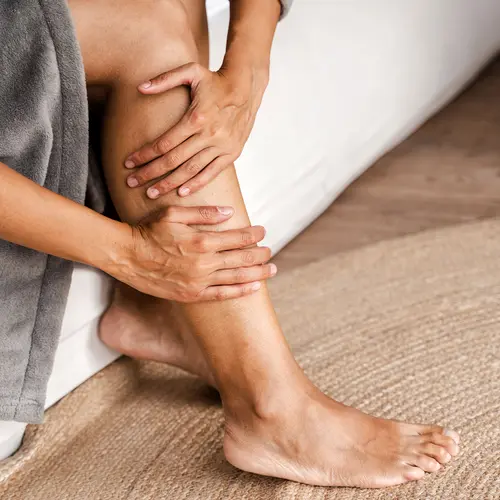
A DVT is a blood clot that forms deep in your veins, most often in your leg. It can partially or completely block blood flow back to the heart and damage the one-way valves in your veins. It can also break free and travel to major organs, such as your lungs, which can be very dangerous. Among people in the United States who have DVT, about 1 in 10 die from DVT complications.
About 350,000 Americans are diagnosed with these blood clots each year, and almost as many have them and don't know it. Even if you're at risk, you can take steps to prevent DVT. Some simple actions include:
- Lose weight.
- Exercise.
- Don’t stay still for long periods -- move every 2 hours or so when you’re on a plane or long car trip.
- Wear loose clothes and drink lots of water when you travel.
Everyday Living and Medical Conditions
- Exerciseregularly -- daily, if possible. Walking, swimming, and bicycling are all great activities. Exercise will also help you manage your weight, and so will eating a healthy, high-fiber diet with lots of vegetables and fruits.
- If you smoke, quit! Nicotine patches, gums, or sprays and prescription medications, along with support groups, can make kicking the habit easier.
- Check yourblood pressureat least once a year; more often if your doctor says to. Follow their instructions about taking medication if you need it. Exercise, eating well, and quitting smoking will help control your blood pressure, too.
- Tell your doctor:
- About any blood-clotting problems you or a close family member has had
- If you’re on birth control pills, hormone replacement therapy, or are pregnant
After Surgery or While on Bed Rest
Your surgeon will let you know if blood clots could be a problem for you. Sometimes, the risk is greatest right after surgery and for about 10 days afterward. Or you may get a DVT because you're less active in the months after the procedure.
Your doctor may prescribe blood thinners, also called anticoagulants:
You may want to wear compression sleeves on your legs to help keep your blood flowing.
During recovery, raise the foot of your bed so it’s taller than the pillow end. Don’t use pillows under your legs. Do any exercises, such as leg lifts and ankle movements, that your doctor recommends. Take your pain medicine to make it easier. Get out of bed and start ramping up your activity as soon as you can safely.
When Traveling
On flights longer than 4 hours, get up and move around. Take the opportunity to walk and stretch between connecting flights, too.
When you're traveling by car, stop when you can to walk around.
If you're stuck in your seat, work the muscles in your legs often throughout your trip:
- Stretch your legs.
- Flex your feet.
- Curl or press your toes down.
Drink plenty of fluids, but avoid coffee and alcohol. They'll dehydrate you, which makes your veins narrower and blood thicker, so you're more likely to get a clot.
Don't wear short, tight socks, and try not to cross your legs a lot. You might want to wear compression stockings. They'll help your blood flow and keep swelling down.