Skip to main content
Home
Conditions
Back
Conditions
View All
ADD/ADHD
Allergies
Arthritis
Atrial fibrillation
Breast Cancer
Cancer
Crohn's Disease
Depression
Diabetes
DVT
Eczema
Eye Health
Heart Disease
HIV & AIDS
Lung Disease
Lupus
Mental Health
Multiple Sclerosis
Migraine
Pain Management
Psoriasis
Psoriatic Arthritis
Rheumatoid Arthritis
Sexual Conditions
Skin Problems
Sleep Disorders
Ulcerative Colitis
View All
Drugs & Supplements
Back
Drugs & Supplements
Drugs
Supplements
Pill Identifier
Interaction Checker
Well-Being
Back
Well-Being
View All
Aging Well
Baby
Birth Control
Children's Health
Diet & Weight Management
Fitness & Exercise
Food & Recipes
Healthy Beauty
Men's Health
Parenting
Pet Health
Pregnancy
Sex & Relationships
Teen Health
Women's Health
View All
Symptom Checker
Find a Doctor
More
Back
More
News
Blogs
Podcasts
Webinars
Newsletters
WebMD Magazine
Best Hospitals
Support Groups
Orthopedics
Privacy & More
Subscribe
Log In
Search
Subscribe
Mental Health Resource Center
Trusted, comprehensive information and resources for mental health.
Substance Abuse & Addiction
Depression
Schizophrenia
Anxiety & Panic Disorders
Bipolar Disorder
Postpartum Depression
Eating Disorders
Social Media & Mental Health
View More
The Latest in Mental Health
News
Why Saying ‘Hello, Stranger’ Could Be Key to Better Health
News
How the Body Reacts to Grief, and What It Can Mean
News
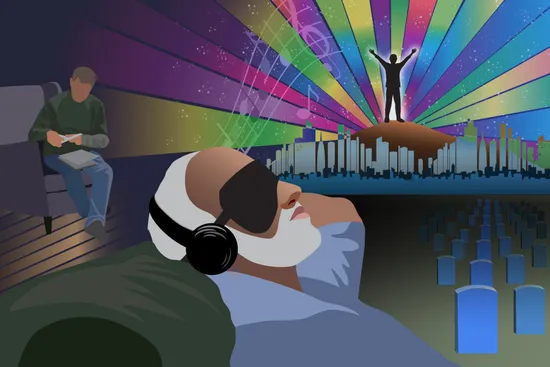
FDA Opens the Door to Clinical Use of LSD
Feature
Can Medicine Integrate Spiritual and Religious Practice?
Top Topics In Mental Health
Alcohol Withdrawal
Dissociative Identity Disorder
Psychologist vs. Psychiatrist
Cocaine
Somatoform Disorder
Adjustment Disorder
Oppositional Defiant Disorder
Conduct Disorder
Mood Disorders
Psychotic Disorders
EMDR
Intrusive Thoughts
8 million+ Physician Ratings & Reviews
Find Doctors and Dentists Near You
Find Doctors and Dentists Near You
The location you tried did not return a result. Please enter a valid 5-digit Zip Code.
Search
Search
You can also search by physician, practice, or hospital name
Follow WebMD on Social Media
Browse More on Mental Health
Videos
Slideshows
Quizzes
Caring for Someone With Tardive Dyskinesia
Support can help ease the burden of your loved one’s involuntary movements. What can you do along with their doctor’s guidance?
Dr. Phil Discusses the Power of Positive Thinking
WebMD's Chief Medical Officer, John Whyte, MD, speaks with Dr. Phil about manifesting success through a combination of positive thinking and action.
OTC Supplements and Your Mental Health
Can supplements like St. John’s wort and vitamin D ease symptoms of depression?
Breaking the Stigma of Antidepressants
There’s no shame in taking medication to feel better, and it’s important to tackle the misconceptions around treatment for depression.
A Daily Routine for Your Best Mental Health
From morning to night, we have you covered. Here’s how to divide up your day to feel your best.
A Support System for Your Mental Wellness
Trustworthy people can help you navigate life’s stressors. Here’s how to seek connection and support to boost your mental health.
Complementary Treatments for Mental Health
In addition to talk therapy and medication, here are some relaxing practices to improve your mood and lower your stress.
Differences Between Anxiety and Depression
It’s not uncommon to have both anxiety and depression, and their treatments are similar, but what does each mood disorder feel like?
Foods to Boost Mental Wellness
Which foods can raise your spirits, ease depression, and keep you energized?
Setting Up an Emotional Support System
A new diagnosis can leave you overwhelmed, but these tips can help strengthen your support system.
See More