
Baby Crying Causes
Hide Video Transcript
Video Transcript
Harvey Karp, MD, FAAP
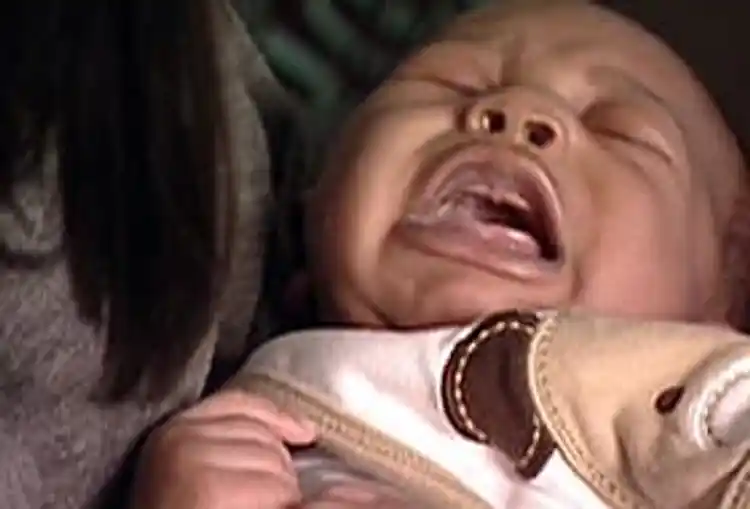
All babies cry. But there are lots you can do to help them be calm and happy. We begin with some of the basics…step by step. For starters, newborns miss the comforting rhythms they enjoy in the womb. I believe the key to understanding babies is to recognize that they come into the world 3 months before they're fully ready. That's why a big part soothing your little one – and getting some extra sleep – is giving at least 3 months – a 4th trimester – of extra rocking, shushing and touch. Of course, babies have other reasons for crying, too. To help you figure out why your baby is upset, look for these little hints: opening the mouth and rooting – that's turning the head from side to the side – that means "I'm hungry!"; yawns, blinking and droopy eyelids indicate fatigue; hiccups or looking away from you can mean "I need a little break"; and frowns or grunts often signal the need to poop or a tiny tummy upset. So, when your baby fusses
Offer some milk …change the diaper…or, try some burping. And, if those fail, don't worry… Mom
Your baby will probably calm with some well done swaddling and shushing. Mom (shushing)
Shhhhhh… Harvey Karp, MD, FAAP
One note of caution – if you find your nerves are wearing thin or you're getting angry or frustrated – please step away – call for some help… take a short break. But never under any circumstances, shake your baby. Why are some babies easily consoled – while others fuss for hours on end? This is what doctor's refer to as "colic." :
Harvey Karp, MD, FAAP
It often starts around 2 weeks of age and peaks at 6 weeks and ends by 3- to 4-months of age Here are the tell-tale signs. He or she fusses and cries for over 3 hours a day. The crying is worse in the evening – what some grandmothers call the "witching hour"! Waves of sharp cries can start out of the blue and the baby often has a worried and pained look. And the wailing may start during or after a meal and is accompanied by grunting and straining. :
Harvey Karp, MD, FAAP
Fortunately, even when the shrieking sounds like terrible pain, most infants are perfectly healthy. Harvey Karp, MD, FAAP
And, once you learn a few simple tricks – and more about this in our step by step about calming babies with the 5 S's – you'll find you can often soothe even colicky cries. : Good boy
Harvey Karp, MD, FAAP
Sometimes, unrelenting crying is a sign of illness. What are the red alert signs that your baby's crying may be a more serious problem? I'll cover that in the next step by step. For WebMD, I'm Dr. Harvey Karp. 