Prostate cancer happens when cancer cells grow out of control in the prostate, a gland in men that makes fluid to help move sperm. It’s the most common type of cancer in men.
Prostate cancer cells need androgens (male hormones), like testosterone and dihydrotestosterone (DHT), to grow. Hormone therapy is a type of prostate cancer treatment that stops your body from making these hormones or letting them reach cancer cells. The cells then die or grow more slowly. It’s also known as androgen deprivation therapy (ADT).
You may get it on its own, but you’ll likely also have chemotherapy. Depending on what stage your cancer is in, you may also have surgery to remove either your prostate and/or both testicles (orchiectomy).
Reducing or blocking testosterone can cause physical, mental, and sexual changes in your body. Some of these changes may be lasting, while you and your doctor can work together to prevent or treat others.
What to Expect During Hormone Therapy
As you go through hormone deprivation therapy, you’ll have follow-up visits with your cancer doctor. They’ll ask about side effects and check your PSA (prostate-specific antigen) levels.
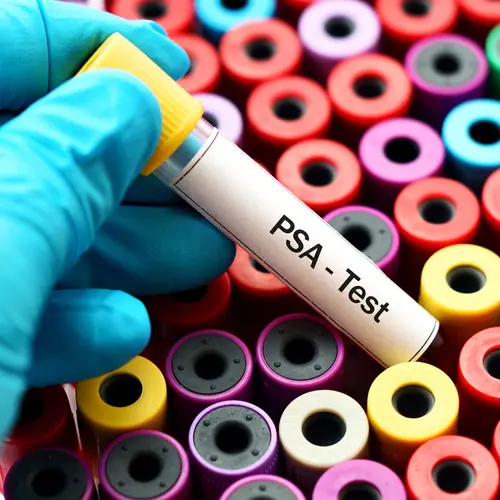
Doctors don’t know how long hormone therapy works to keep prostate cancer in check. So, while you take it, your doctor will regularly draw blood to check your PSA levels. Undetectable or low PSA levels usually mean that the treatment is working. If your PSA levels go up, it’s a sign that the cancer has started growing again. If this happens, your cancer is considered castrate-resistant, and hormone deprivation therapy is no longer an effective treatment.
You’ll also get other blood tests to see if the cancer is affecting other parts of your body like your liver, kidneys, or bones. Scans will show how well your cancer is responding to hormone therapy.
To lessen the side effects of hormone therapy drugs, researchers suggest that you take them for just a set amount of time or until your PSA drops to a low level. If the cancer comes back or gets worse, you may need to start treatment again.
Physical Health
The physical effects of hormone therapy for prostate cancer can impact your daily life. Cancer treatment affects people in different ways, so you may not have every side effect. You may notice:
- Hot flashes
- Loss of bone density, or the mineral content in your bones
- Bone thinning (osteoporosis), which can lead to bone fractures or breaks
- Loss of muscle mass and physical strength
- Shrinkage of testicles and penis
- Weight gain
- Tiredness
- Changes in cholesterol (blood lipids) that increase your risk for heart disease
- Breast tenderness and tissue growth (gynecomastia)
- Low red blood cell count (anemia)
You and your doctor can prevent or treat many of these side effects. Prescription drugs can help with hot flashes and bone thinning, while exercise can reduce weight gain, tiredness, and the loss of bone and muscle mass. But you can't reverse bone loss, even after stopping hormone therapy.
Bone mineral density screenings, a type of X-ray, are a safe and noninvasive way to diagnose osteoporosis, spot low bone density, check how well treatments are working, and predict the risk of fractures.
Some things that may help slow or prevent osteoporosis include:
- Taking calcium and vitamin D. The recommended daily intake of calcium is 1,000-1,200 milligrams (mg) depending on age and around 800 IU of vitamin D.
- Exercising. Regular physical activity, especially weight-bearing exercises such as jogging, dancing, and stair-climbing, can help prevent bone loss. Resistance exercises, such as weightlifting, strengthen bones.
- Use of bisphosphonates. Bisphosphonates, usually taken by intravenous infusion (IV), but sometimes by mouth, can stop or even reverse osteoporosis due to hormonal therapy.
- Not using tobacco
- Limiting alcohol
To keep breast tissue from growing, you can have radiation therapy. But this doesn’t work once the tissue has already grown.
Sexual Health
Testosterone levels impact sex drive, so hormone therapy can change your sex life. Since this type of treatment lowers testosterone levels, you may lose interest in sex. You may also have trouble getting or keeping an erection (erectile dysfunction). These side effects will likely go away once you’ve stopped treatment. But if you’ve taken the drugs for a long time, they may be permanent.
For the most part, erectile dysfunction drugs don’t work for men taking hormone therapy. These drugs increase blood flow to the penis, but they don’t help with your loss of sexual drive.
Mental and Emotional Health
A cancer diagnosis and cancer treatment may affect how you feel mentally and emotionally. Hormone therapy can cause:
- Mood swings
- Depression
- A drop in mental sharpness
If you have any of these side effects, your doctor may recommend medication, counseling, or both.
Research shows that hormone therapy for prostate cancer may lead to problems with short-term memory, language, thinking, and concentration. But these problems are usually mild. Researchers are still studying the effect of hormone therapy on the brain.
When you stop taking hormone therapy, emotional and mental side effects usually disappear. But if you’ve taken the drugs for many years, they may not fully go away.