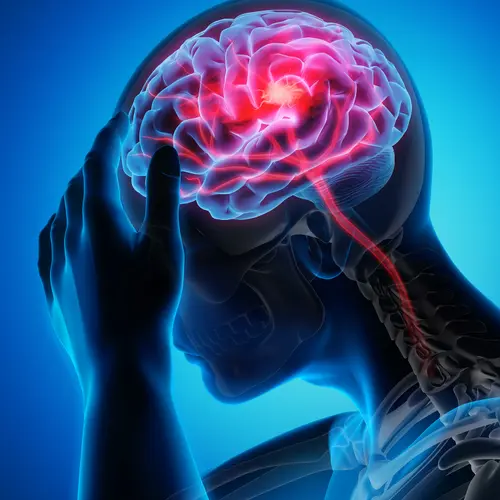
Knowing the signs of a stroke is the first step in stroke prevention. A stroke, sometimes called a "brain attack," occurs when blood flow to an area in the brain is cut off. The brain cells, deprived of the oxygen and glucose needed to survive, die. If a stroke is not caught early, permanent brain damage or death can result.
How Does a Stroke Occur?
There are two types of stroke.
- Ischemic stroke is similar to a heart attack, except it occurs in the blood vessels of the brain. Clots can form in the brain's blood vessels, in blood vessels leading to the brain, or even in blood vessels elsewhere in the body and then travel to the brain. These clots block blood flow to the brain's cells. Ischemic stroke can also occur when too much plaque (fatty deposits and cholesterol) clogs the brain's blood vessels. About 80% of all strokes are ischemic.
- Hemorrhagic (heh-more-raj-ik) strokes occur when a blood vessel in the brain breaks or ruptures. The result is blood seeping into the brain tissue, causing damage to brain cells. The most common causes of hemorrhagic stroke are high blood pressure and brain aneurysms. An aneurysm is a weakness or thinness in the blood vessel wall.
What Are the Symptoms of Stroke?
The most common symptoms of a stroke are:
- Weakness or numbness of the face, arm, or leg on one side of the body
- Loss of vision or dimming (like a curtain falling) in one or both eyes
- Loss of speech, difficulty talking, or understanding what others are saying
- Sudden, severe headache with no known cause
- Loss of balance or unstable walking, usually combined with another symptom
What Should I Do If I Experience Stroke Symptoms?
Immediately call 911 if you or someone you know has symptoms of a stroke. Stroke is a medical emergency. Immediate treatment can save your life or increase your chances of a full recovery.
Is it Possible to Prevent a Stroke?
Up to 50% of all strokes are preventable. Many risk factors can be controlled before they cause problems.
Controllable Risk Factors for Stroke:
- High blood pressure
- Atrial fibrillation
- Uncontrolled diabetes
- High cholesterol
- Smoking
- Excessive alcohol intake
- Obesity
- Carotid or coronary artery disease
Uncontrollable Risk Factors for Stroke:
- Age (>65)
- Gender (Men have more strokes, but women have deadlier strokes)
- Race (African-Americans are at increased risk)
- Family history of stroke
Your doctor can evaluate your risk for stroke and help you control your risk factors. Sometimes, people experience warning signs before a stroke occurs.
These are called transient ischemic attacks (also called TIA or "mini-stroke") and are short, brief episodes of the stroke symptoms listed above. Some people have no symptoms warning them prior to a stroke or symptoms are so mild they are not noticeable. Regular check-ups are important in catching problems before they become serious. Report any symptoms or risk factors to your doctor.