Mold is all over the place -- outdoors and indoors - though you might not notice. It spreads by releasing tiny, lightweight spores that travel through the air. It grows quickly in moist dark spaces, such as basements, garbage cans, and piles of rotting leaves.
When it’s on food, you can usually see signs, such as the fuzzy green spots that appear on bread. As it grows, the mold's roots can sink deep inside the food, where you can’t see it.
All of us are exposed to some mold every day, and usually, there are no problems. We may breathe in spores from the air or eat foods in which mold has started to grow.
But if you have allergies to it, you can have a reaction if you’re around too much of it.
What Are the Symptoms?
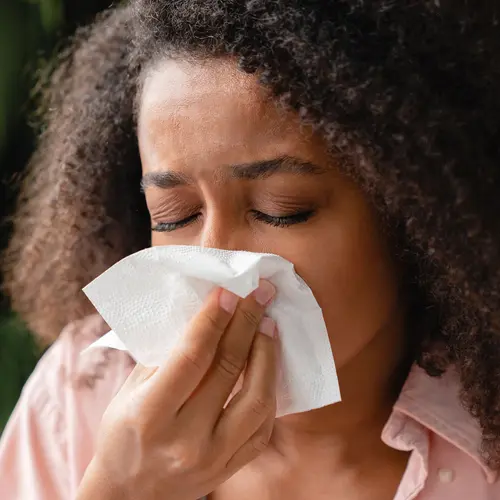
Like many other allergies, the warning signs can include:
- Wheezing
- Stuffy or runny nose
- Itchy, watery eyes
- Rash or hives
The only way to know for sure if you have a problem with mold is to see an allergist. They'll ask about your symptoms and what seems to trigger them. If they think you have a mold allergy, they'll probably do tests to confirm it.
How to Prevent Symptoms
Although they happen any time of year, allergies to outdoor mold can be worse in summer and fall. They can be especially bad when wet leaves sit around in piles. To avoid problems from mold that's outside:
- Stay inside when mold counts are high.
- Keep wet leaves away from your home. Clean gutters.
- Get rid of standing water in your yard.
To keep mold allergies away when you're inside your home:
- Take off your shoes at the door.
- Clean places where mold can grow often with bleach, including trash cans, sinks, and bathrooms. Get rid of soap scum, which can harbor mold.
- When you shower, open a window or run an exhaust fan. Do that in the kitchen too when you’re washing dishes or running the dishwasher.
- Find and fix any leaks right away. Dry wet areas within 48 hours to prevent the fungus from growing.
- Run a dehumidifier to keep household humidity under 50%.
- Make sure your clothes dryers and stoves vent to the outside.
- Use a vacuum with a high-efficiency particulate air (HEPA) filter.
- Have your HVAC ducts professionally cleaned.
- Don’t give fungus a place to grow. Remove carpets and storage items from damp basements or bathrooms.
- Keep water out of your home. Make sure the ground slopes away from your foundation, and check your roof for leaks.
- If you have to clean up mold in your home, wear gloves, a mask, and goggles. You may need to hire a professional, or completely replace moldy ceiling tiles or carpet.
Lower your risk of a reaction to food-borne mold by carefully choosing what you eat.
Check everything you eat for signs of mold before you chow down.
Don’t smell foods to see if they're spoiled, because inhaling mold spores can set off an allergic reaction.
Also, avoid foods that are more likely to contain mold or other fungi, such as mushrooms and yeast. Common culprits include:
- Cheese
- Mushrooms
- Vinegar and foods containing vinegar, such as salad dressing, ketchup, and pickles
- Sour cream, sour milk, and buttermilk
- Meat or fish
- Breads and other food made with yeast
- Jarred jams and jellies
- Sauerkraut
- Pickled and smoked meats and fish
- Dried fruits such as dates, prunes, figs, and raisins
- Soy sauce
- Hot dogs, sausages
- Canned juices
- Leftovers that are more than 3 or 4 days old
To Treat Symptoms
- Try over-the-counter antihistamines, eyedrops, or nasal sprays.
- Talk to your doctor about prescription drugs.
- Ask your allergist if you should get allergy shots.