What Is Anaphylaxis?
Anaphylaxis (or "anaphylactic shock") is a severe allergic reaction that needs to be treated right away. If you have an anaphylactic reaction, you need a shot of epinephrine (adrenaline) as soon as possible, and someone should call 911 for emergency medical help. Left untreated, it can be deadly.
Epinephrine can reverse the symptoms within minutes. If this doesn't happen, you may need a second shot within half an hour. These shots, which you need a prescription to get, come pre-filled in ready-to-use pens.
You should not take an antihistamine for an anaphylactic reaction.
Anaphylaxis is rare, but some people are more likely to have it than others. Most people recover from it. But it's important to tell your doctor about any drug or latex allergies you have before any kind of medical treatment, including dental care. It’s also a good idea to wear a medical alert bracelet or pendant or carry a card with information about your allergy.
If you've had an anaphylactic reaction before, you have a higher risk of having another one. You also have a higher risk if you have a family history of anaphylaxis or have asthma.
4 Stages of Anaphylaxis
Anaphylaxis and its symptoms usually happen in stages. But it can worsen fast. Your symptoms are likely mild at first and will get worse over time. By recognizing a reaction early, you can get help before your symptoms are more severe or even life-threatening. These stages include:
- Stage 1. Your symptoms are mild. You might not know yet if you're having an anaphylactic reaction. It can look like a more mild allergy. You may itch. You may notice your skin is red or bumpy with hives. Your nose may start to run, too. It's a good idea to pay attention to these signs, especially if you know you're at risk for anaphylaxis.
- Stage 2. Your symptoms are now worse and on more of your body. You may have a rash or hives over a bigger area. Your face, lips, or tongue may swell while your eyes start to water. It may be hard for you to swallow. You also could have belly pain, vomiting, or diarrhea. At this stage, you should get help right away in case your symptoms keep getting worse.
- Stage 3. As your symptoms get worse, you may have trouble breathing. Your pulse may be weak and you may feel chest pain. You may also notice you're dizzy or lightheaded or even pass out. This stage is sometimes called anaphylactic shock.
- Stage 4. Your symptoms are now life-threatening. Your blood pressure has dropped and your pulse is weak. Your blood isn't flowing as it should as your airways keep swelling. When your symptoms are most severe, anaphylaxis can lead to heart attack and death.
Symptoms of Anaphylaxis
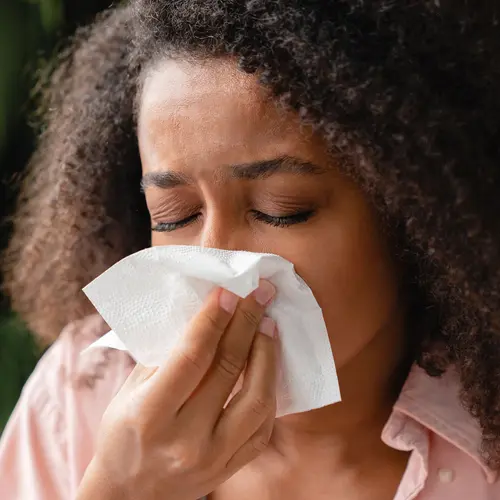
The first signs of an anaphylactic reaction may look like typical allergy symptoms: a runny nose or a skin rash. But within about 30 minutes, more serious signs appear.
You'll usually have more than one of these signs:
- Coughing or wheezing
- Pain, itching, or tightness in your chest
- Fainting, dizziness, confusion, or weakness
- Hives, a rash, and itchy, swollen, or red skin
- Runny or stuffy nose and sneezing
- Shortness of breath or trouble breathing and rapid heartbeat (palpitations)
- Swollen or itchy lips or tongue
- Swollen or itchy throat, hoarse voice, trouble swallowing, tightness in your throat
- Vomiting, diarrhea, cramps, or belly pain
- Weak pulse, paleness
- Slurred speech
- Unconsciousness
Some people also remember feeling a "sense of doom” right before the attack. Symptoms can move to shock and loss of consciousness.
As many as 1 out of every 5 people may have a second anaphylactic reaction within 12 hours of the first. This is called a biphasic anaphylaxis.
Causes of Anaphylaxis
Anaphylaxis happens when you have an antibody, something that usually fights infection, that reacts too much to something that should be harmless like food. It might not happen the first time you come in contact with the trigger, but it can get worse over time.
In children, the most common cause of anaphylaxis is food. For adults, medications more often cause it.
Common food triggers for children are:
- Peanuts
- Shellfish
- Fish
- Milk
- Eggs
- Soy
- Wheat
Common food triggers for adults are:
- Shellfish
- Tree nuts (walnuts, hazel nuts, cashews, pistachios, pine nuts, and almonds)
- Peanuts
It's rare, but some people are so sensitive that even the smell of the food can trigger a reaction. Some are also allergic to certain preservatives in food.
Common medication triggers are:
- Penicillin (more often following a shot rather than a pill)
- Muscle relaxants like the ones used for anesthesia
- Aspirin, ibuprofen, and other NSAIDs (nonsteroidal anti-inflammatory drugs)
- Anti-seizure medications
Anaphylaxis also can be triggered by a few other things. But these aren’t as common:
- Pollen, such as ragweed, grass, and tree pollen
- Stings or bites from bees, wasps, yellow jackets, hornets, and fire ants
- Latex, found in hospital gloves, balloons, and rubber bands
Some people can have an anaphylactic reaction if they breathe in latex.
Some can have a reaction to a combination of things:
- Breathe in birch pollen and eat apple, raw potato, carrots, celery, or hazelnut
- Breathe in mugwort pollen and eat celery, apples, peanuts, or kiwi
- Breathe in ragweed pollen and eat melons or bananas
- Touch latex and eat papaya, chestnuts, or kiwi
In rare cases, it can be triggered by 2 to 4 hours of exercise after eating certain foods or by exercise on its own.
Anaphylactic reactions usually start within minutes of contact with the trigger, but they can also happen an hour or more later.
Some people never figure out what caused their reactions. That’s known as idiopathic anaphylaxis. If you don’t know your triggers, you can’t avoid them. So it’s especially important to carry epinephrine injectors, make sure you and people close to you know how to use them, and wear medical alert jewelry.
Risk Factors for Anaphylaxis
You're at more risk for anaphylaxis if you've had it before. Your reactions may get worse every time you have them.
Other things that can increase your risk include:
- Allergies
- Asthma
- Other conditions like heart disease
- Too many white blood cells (mastocytosis)
Anaphylaxis Diagnosis
If you think you have serious allergies or are at risk for anaphylaxis, see a doctor. Your doctor will ask you about any signs of allergic reactions you've had. They'll ask if you've seen signs of a reaction from:
- Foods
- Medicines
- Latex
- Insect bites or stings
To find out if you have an allergy that could cause anaphylaxis or may have had an anaphylactic reaction, you may need more tests. These may include:
- Blood tests. A test can measure how much of an enzyme called tryptase you have in your blood. This enzyme can be at higher levels for up to 3 hours after anaphylaxis. Your doctor may also order blood tests to look for signs of an allergy, such as latex.
- Skin tests. Skin tests also can look for allergies to foods, chemicals, or other substances.
Since other conditions can look like anaphylaxis, your doctor may run other tests to make sure your symptoms aren't a sign of some other health problem.
Treatment for Anaphylaxis
Epinephrine is the most effective anaphylaxis medication, and the shot should be given right away (usually in the thigh). If you’ve had an anaphylactic reaction before, you should carry at least two doses of epinephrine with you at all times.
Epinephrine expires after about a year, so make sure your prescription is up to date. If you have an anaphylactic reaction and the pen has expired, take the shot anyway.
When medical personnel arrive, they may give you more epinephrine. If you’re not able to breathe, they may put a tube down your mouth or up your nose to help. If this doesn’t work, they might do a kind of surgery called a tracheostomy that puts the tube directly into your windpipe.
Either in the ambulance or at the hospital, you may need fluids and medications to help you breathe. If the symptoms don't go away, doctors may also give you antihistamines and steroids. Other treatments you may need include:
- Oxygen to help your breathing
- Intravenous antihistamines or steroids (cortisone) to lower your swelling
- Albuterol or another beta-agonist to help your breathing more
You probably will need to stay in the emergency room for several hours to make sure you don't have a second reaction.
After the initial emergency is over, see an allergy specialist, especially if you don't know what caused the reaction. An allergy specialist may also give you a series of allergy shots to help your body get used to the trigger and make anaphylaxis less likely to happen again.
Anaphylaxis Prevention
To protect yourself against anaphylaxis, the best way is to find out what caused your reaction and stay away from it. Some other steps to protect yourself include:
- Medical alert necklace or bracelet. These will alert other people around you to help you avoid your triggers or catch a reaction quickly before it gets worse.
- Emergency kit. Keep your medicines with you at all times wherever you go. Ask your doctor what you should carry. If you have an epinephrine pen or autoinjector, make sure to get it refilled before your medicine expires.
- Let your doctors know. Make sure all of your medical and dental providers know about any allergies and your risk for anaphylaxis.
- Avoid insects. If insect bites or stings are your trigger, take steps to avoid them. Cover up and avoid colors or scents that attract bugs. Don't swat or slap at stinging insects if you do see them. Instead, move away slowly and calmly.
- Check labels. If food allergies are your trigger, read labels carefully. Ask before you order at restaurants and make sure friends and family know about your allergies and risk for a serious reaction.
Even if you do everything possible, you could still come in contact with one of your triggers. If this happens, make sure you and your loved ones and friends know what to do. If you have a plan in place, you can see the signs and symptoms and get help before it gets worse.
Anaphylaxis Complications
When your anaphylaxis is severe, it can be fatal. It can stop you from breathing. You may not have a heartbeat anymore. Your risk for the most serious complications are even greater if you have other health conditions, such as heart disease, asthma, or other lung diseases. If you are at risk for anaphylaxis, make sure you know the signs and what to do if it happens. By taking steps to avoid your triggers and knowing what to do in the event it happens, you can prevent the worst from happening.