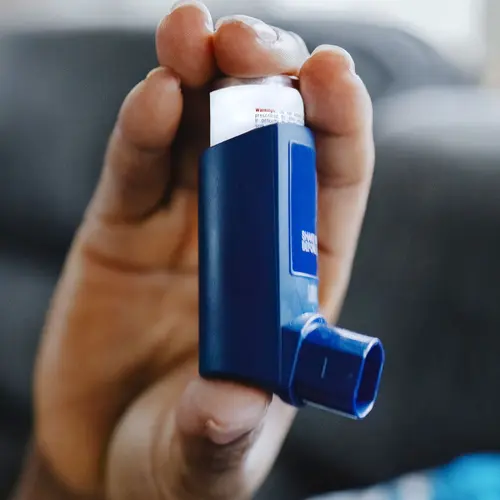
What Is Childhood Asthma?
Childhood asthma is the same lung disease that adults get, but kids often have different symptoms. Doctors may also call this pediatric asthma.
If your child has asthma, their lungs and airways may get easily inflamed when they have a cold or are around things such as pollen. The symptoms may make it hard for your child to do everyday activities or sleep. Sometimes, an asthma attack can result in a trip to the hospital. There’s no cure for asthma in children, but you can work with your child’s doctor to treat it and prevent damage to their growing lungs.
Signs and Symptoms of Childhood Asthma
When your child has an asthma attack, the tubes that carry air to their lungs (bronchial tubes) become swollen and make extra mucus. This makes it harder for them to breathe, which leads to the following signs and symptoms:
- A cough that doesn’t go away
- Coughing spells that happen often, especially during play or exercise, at night, in cold air, or while laughing or crying (young kids may say that they "cough all the time")
- A cough that gets worse after a viral infection, such as a cold or the flu
- Less energy during play, and stopping to catch their breath during activities
- Avoiding sports or social activities
- Trouble sleeping because of coughing or breathing problems
- Rapid breathing
- Chest tightness or pain (young kids may say their chest "hurts" or "feels funny")
- Wheezing, a whistling sound when breathing in or out
- Seesaw motions in their chest (retractions)
- Shortness of breath
- Tight neck and chest muscles
- Feeling weak or tired
- Trouble eating, or grunting while eating (in infants)
Not all children have the same asthma symptoms . Your child might have only one or two of these symptoms or several of them. You may think it’s just a cold or bronchitis, but if they have several episodes, it’s time to see an asthma specialist, such as an immunologist or an allergist. A child may even have different symptoms from one asthma attack to another; their symptoms depend on what triggered their attack. With asthma, their symptoms often follow a pattern, such as being worse at night or in the morning, or they could come and go over time or within the same day.
Experts sometimes use the terms "reactive airway disease" and "bronchiolitis" when talking about wheezing with shortness of breath or coughing in infants and toddlers. Depending on their age, your child may have a hard time describing their symptoms. Tests may not be able to confirm asthma in children younger than 5.
When to get emergency care
A severe asthma attack needs medical care right away. Watch for these signs:
- Stopping in the middle of a sentence to catch a breath
- Using stomach muscles to breathe
- A belly that sinks in under their ribs when they try to get air
- Chest and sides that pull in as they breathe
- Severe wheezing
- Severe coughing
- Trouble walking or talking
- Blue lips or fingernails
- Increasing shortness of breath with decreased wheezing
- Widened nostrils
- Fast heartbeat
- Sweating more than usual
- Chest pain
Causes and Triggers of Childhood Asthma
Common triggers include:
- Airway infections: These include colds, COVID-19, flu, pneumonia, and sinus infections.
- Allergens: Your child might be allergic to things such as cockroaches, dust mites, mold, pet dander, and pollen.
- Irritants: Things such as air pollution, chemicals, cold air, odors, or smoke can bother their airways.
- Exercise: It can lead to wheezing, coughing, and a tight chest.
- Stress: It can make your child short of breath and worsen their symptoms.
Childhood Asthma Risk Factors
Asthma is the leading cause of long-term illness in children. It affects about 7 million kids in the U.S. Those numbers have been going up, and experts aren’t sure why.
Most children have their first symptoms by age 5. But asthma can begin at any age.
Things that can make a child more likely to have asthma include:
- Nasal allergies (hay fever) or eczema (allergic skin rash)
- A family history of asthma or allergies
- Frequent respiratory infections
- Low birth weight
- Exposure to secondhand tobacco smoke before or after birth
- African-American or Puerto Rican descent
- Being raised in a low-income environment
Childhood Asthma Diagnosis
Your child’s asthma symptoms may be gone by the time you get to the doctor’s office. You have an important role in helping your doctor understand what’s going on. A diagnosis will include:
Questions about medical history and symptoms. Your doctor will ask about any breathing problems your child may have had, as well as any family history of asthma, allergies, eczema, or other lung disease. Describe your child's symptoms in detail, including when and how often they happen.
Physical exam. Your doctor will listen to your child's heart and lungs and look in their nose or eyes for signs of allergies.
Tests. Your child might get a chest X-ray. If they’re 6 or older, they may have a simple lung test called spirometry. It measures the amount of air in your child’s lungs and how fast they can blow it out. This helps the doctor find out how severe their asthma is. Other tests can help find asthma triggers. They may include allergy skin testing, blood tests such as immunoglobulin E (IgE) test or radioallergosorbent test (RAST), and X-rays. These tests can help your doctor check if sinus infections or gastroesophageal reflux disease (GERD) are making asthma worse. A test that measures the level of nitric oxide (eNO) in your child’s breath can also point to inflamed airways.
Childhood Asthma Treatment
Based on your child's history and how severe their asthma is, their doctor will develop a care plan, called an asthma action plan. This describes when and how your child should use asthma medications, what to do when asthma gets worse, and when to seek emergency care. Make sure you understand this plan and ask your child's doctor any questions you may have.
Your child's asthma action plan is important for controlling their asthma. Keep it handy to remind you of your child's daily management plan, as well as to guide you when your child has asthma symptoms. Give its copies to your child’s caregivers, teachers, and even the bus driver so they’ll know what to do if your child has an asthma attack away from home.
In addition to following your child's asthma action plan, you want to avoid or limit your child's exposure to their asthma triggers.
What asthma drugs can children take?
Most asthma medications that work for adults and older children can also be safely prescribed to toddlers and younger children. Drugs that are approved for younger children are given in doses adjusted for their age and weight. In the case of inhaled drugs, they may need a different delivery device based on their age and ability. For instance, many children can’t coordinate their breathing well enough to use a standard inhaler.
There are two main types of asthma medications:
Quick-relief medications help with sudden symptoms. Your child will take them for fast help during an asthma attack. They need to keep this medicine with them all the time and use it when they have symptoms. Common reliever medicines include:
- Inhaled corticosteroids, which reduce swelling in their airways.
- Inhaled short-acting beta2-agonists (SABAs), which open their airways so air can flow through more easily. These can have side effects, such as tremors and rapid heart rate.
- Short-acting anticholinergics, which open their airways quickly. These may not work as well as SABAs, but they are used in people who have trouble with side effects.
Long-acting medications prevent airway inflammation and keep asthma under control. Your child will probably take them every day. Common controller medicines include:
- Corticosteroids by mouth (oral steroids) to reduce inflammation throughout their body.
- Inhaled long-acting bronchodilators, such as long-acting beta2-agonists (LABAs) or long-acting muscarinic antagonists (LAMAs), which help prevent their airways from narrowing.
- Leukotriene modifiers, which reduce swelling and help keep their airways open. This is usually an oral medicine rather than an inhaler.
- Inhaled mast cell stabilizers, which help prevent swelling in their airways when they need to be around allergens or other things that trigger their asthma.
- Biologic medicines, which help control asthma that's hard to control. These are generally injections.
- Allergy shots (also called subcutaneous immunotherapy), which help turn down their response to allergens so they don't have as many asthma attacks.
If an infant or older child has symptoms of asthma that require treatment with a bronchodilator medication more than twice a week during the day or more than twice a month at night, most doctors recommend daily anti-inflammatory drugs.
Many asthma medications contain steroids, which could have side effects. They can irritate your child’s mouth and throat. Some research shows that over time, they might result in slow growth, bone problems, and cataracts. After your child takes them, their body might not be able to make as many natural steroids. But without treatment, asthma can lead to health problems and hospital visits. You and your doctor should talk about the pros and cons of medication when you make an asthma action plan.
Kids with asthma need to get a flu shot every fall because flu can make their asthma symptoms worse.
How do I give my child asthma medication?
Your child's doctor will tell you how often to give your child breathing treatments, based on how severe their asthma is.
You may give your child (usually for children under 4) asthma medications using a home nebulizer, also known as a breathing machine. A nebulizer delivers asthma drugs, usually bronchodilators, by changing them from a liquid to a mist. Your child gets the drug by breathing it in through a face mask. These breathing treatments usually take about 10-15 minutes and are given several times a day.
To use the nebulizer:
- Wash your hands.
- Put the medicine in the nebulizer.
- Connect the tubes from the compressor to the base.
- Attach the mouthpiece or mask.
- Turn the compressor on and watch for a light mist to come from the nebulizer.
- Put the mask on your child’s face, or put the mouthpiece in their mouth and have them close their lips around it.
- Have them breathe in and out until their treatment time is up.
- Turn the nebulizer off when the medicine is gone.
- Tell your child to cough to clear out any mucus.
There are guidelines for managing asthma in children up to age 4. This includes the use of quick-relief medications (such as albuterol) for off-and-on symptoms. A low dose of an inhaled steroid or montelukast (Singulair) is the next step. After age 4, the focus shifts from symptom control to disease management. If your child’s asthma is under control for at least 3 months, the doctor may lower their treatment.
Instead of a nebulizer, older kids may be able to use a hydrofluoroalkane (HFA) inhaler (formerly called a metered dose inhaler or MDI) with a spacer.
A spacer is a chamber that attaches to the inhaler and holds the burst of medication. This lets your child breathe the medication into their lungs at their own pace. To use an inhaler with a spacer:
- Wash your hands.
- The first time you use it, prime the inhaler by spraying it 4 times into the air.
- Put the inhaler into the opening at the end of the spacer.
- Shake it for 10 seconds.
- Have your child turn their head to the side and breathe out.
- Have them close their mouth around the mouthpiece of the spacer.
- Tell them to take a slow deep breath.
- Make them hold it in and count to 10.
- Have them slowly breathe out.
- If your doctor prescribes two puffs of medicine, wait 1 minute after the first puff and then do it all again.
- Help them rinse their mouth, brush their teeth, or get a drink of water.
Avoiding Childhood Asthma Triggers
To prevent asthma attacks or to keep them from getting worse, focus on known triggers with steps such as:
- Don’t let anyone smoke in your home or car.
- Clean bedding and carpets often to fight dust mites.
- Keep pets out of your child’s bedroom. An air filter can help with allergens.
- Get regular pest control to avoid cockroaches.
- Fix leaks and use dehumidifiers to prevent mold.
- Don’t use scented cleaning products or candles.
- Check daily air quality reports in your area.
- Help your child stay at a healthy weight.
- If they have heartburn, keep it under control.
- If exercise is a trigger, your child’s doctor might have your child use the inhaler 20 minutes before the activity to keep their airways open.
- Make sure they get a flu shot every year.
Childhood Asthma Complications
When it’s not under control, asthma can cause problems such as:
- Severe attacks, sometimes leading to ER visits or hospital stays
- Missed school and other activities
- Fatigue
- Stress, anxiety, and depression
- Delays in growth or puberty
- Damaged airways and lung infections
- Death
Childhood Asthma Outlook
There’s no cure for asthma, but your child can learn to control it. They should be able to:
- Prevent long-term symptoms
- Go to school every day
- Avoid asthma symptoms at night
- Take part in daily activities, play, and take part in sports
- Avoid urgent visits to the doctor, emergency room, or hospital
- Use and adjust medications to control symptoms with few or no side effects
If they have trouble meeting all of these goals, ask their doctor for advice.
There’s a lot that experts don’t know about infant lung function and asthma. But they believe that a child is more likely to be diagnosed with asthma by age 7 if they’ve had multiple wheezing episodes, have a mother with asthma, or have allergies.
Once a child’s airways become sensitive, they stay that way for life. But about 50% of children see a sharp drop in asthma symptoms once they reach their teens. It may seem they’ve outgrown their asthma, but some will have symptoms again as adults. There’s no way to predict what may happen with your child.
By learning about asthma and how to control it, you take an important step toward managing your child's condition. Work closely with their care team to learn all you can about asthma, how to avoid triggers, what medications do, and how to give treatments.
Can You Outgrow Asthma?
No, kids don't outgrow asthma because asthma is a lifelong condition. Some kids may stop having symptoms (go into remission) when they become teens, but they generally still have asthma. Their symptoms may come back if they're exposed to a trigger.
Some kids who have wheezing when they get a cold may stop wheezing when they're sick, usually around age 6. These kids may get diagnosed with asthma, but if they never get symptoms again, they probably didn't have asthma to begin with. Some doctors will diagnose and treat kids for asthma out of caution because they feel it's safer to treat kids aggressively, as it could be dangerous or life-threatening if they don't.