

This article is from the WebMD Feature Archive
Smarter Than a 5th-Grader?
The television show Are You Smarter Than a 5th Grader? pits adult contestants against fifth-grade students to see how much adults really know about the subject matter covered in that grade.
The students on the show can help the adult contestants when they're stumped on the answers and their quest to win the top prize of a million dollars. Adult contestants can make use of three features: peek, in which they can look at the student's answer and decide if they will use it; copy, in which they have to use the child's answer; and save, in which the contestant's answer is incorrect and the student's is correct and the student saves the day.
Understanding Temporal Lobe Seizure
A seizure originating in the temporal lobe of the brain may be preceded by an aura or warning symptom, such as: Abnormal sensations (which may include a rising or "funny" feeling in the gut) Hallucinations (including sights, smells, tastes) Vivid deja vu or recalled memories or emotions A sudden, intense emotion not related to anything happening at the time During the seizure, a person may experience motor disturbances, sensory symptoms, or autonomic symptoms. Motor or movement...
Read the Understanding Temporal Lobe Seizure article > >
Here is WebMD's version called "Are You Smarter Than a Fifth-Grader in Health?" We talked to teachers, skimmed fifth-grade health texts, and peeked online at fifth-grade curricula to put together our quiz.
See how you fare. Answers are at the bottom. Test anxiety? Relax. You get one "save," but sorry, no "peeks" or "copies" in this online version of the game.
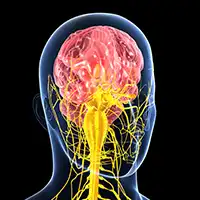
1. Your brain has three major sections -- the cerebrum (which controls speech, thought, and emotions), the cerebellum (which controls balance), and another part, attached to the spinal cord. This last part is called:
a. The brain stem
b. The limbic stem
c. The brain glioma
2. You have four types of teeth, each with specific functions. These include incisors to cut food, canines to cut and tear food, molars to grind food, and one other type that both grinds and crushes. This last type is called:
a. Major incisors
b. Bicuspids
c. Wisdom teeth
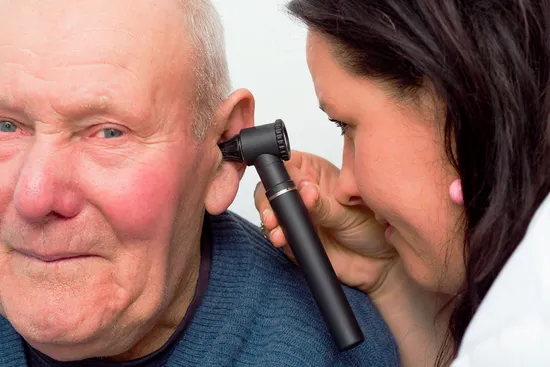
3. Protecting your hearing depends on avoiding decibel levels considered excessive. Normal conversation is about 60 decibels. To protect your hearing, you should avoid exposure to sounds louder than:
a. 85 decibels
b. 65 decibels
c. 80 decibels
4. Strep throat is a bacterial infection. If it is not treated medically, it can cause
a. Permanent heart damage
b. Influenza
c. Ongoing migraine headaches
5. Our sleep is divided into states called rapid eye movement sleep, or REM, in which we dream, and:
a. Nonrapid eye movement (non-REM) sleep, which includes stages ranging from drowsiness to deep sleep
b. Presleep, in which we are just drowsy
c. Post-sleep, in which we slowly wake up
6. People who have diabetes, in which the body does not produce insulin or enough insulin or doesn't use it efficiently, are also at higher risk for:
a. Tension headaches
b. Kidney disease, heart disease, and blindness
c. Migraine headache and rheumatoid arthritis
7. Foods in the dairy products group, such as milk, yogurt, and cheese, are important sources of minerals to build and preserve bones and teeth. These minerals are: