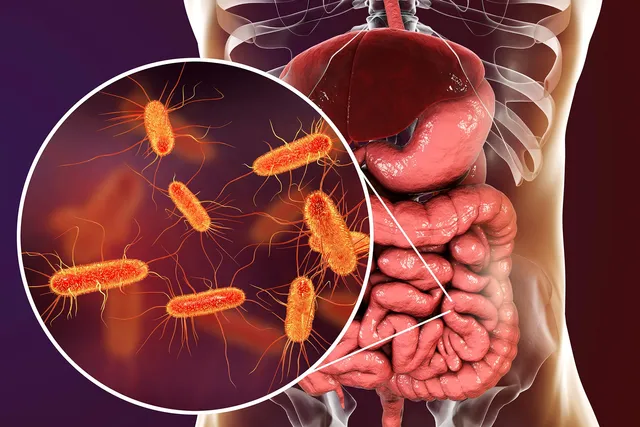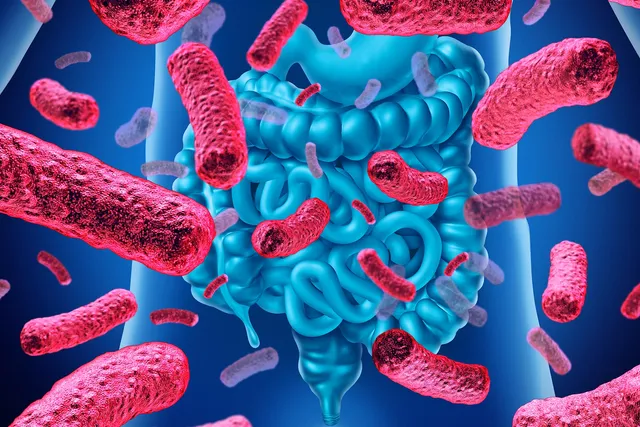
Probiotics are live bacteria and yeasts that are good for you, especially your digestive system. We usually think of these as germs that cause diseases. But your body is full of bacteria, both good and bad. Probiotics are often called "good" or "helpful" bacteria because they help keep your gut healthy.
You can find probiotics in supplements and some foods, like yogurt. Doctors often suggest them to help with digestive problems.
How Do They Work?
Researchers are trying to figure out exactly how probiotics work. Some of the ways they may keep you healthy:
- When you lose "good" bacteria in your body, for example after you take antibiotics, probiotics can help replace them.
- They can help balance your "good" and "bad" bacteria to keep your body working the way it should.
Types of Probiotics
Many types of bacteria are classified as probiotics. They all have different benefits, but most come from two groups. Ask your doctor about which might best help you.
Lactobacillus. This may be the most common probiotic. It's the one you'll find in yogurt and other fermented foods. Different strains can help with diarrhea and may help people who can't digest lactose, the sugar in milk.
Bifidobacterium. You can find it in some dairy products. It may help ease the symptoms of irritable bowel syndrome (IBS) and some other conditions.
Saccharomyces boulardii is a yeast found in probiotics. It appears to help fight diarrhea and other digestive problems. Here's what to look for when choosing the best probiotic for women and men.
What Do They Do?
Among other things, probiotics help send food through your gut by affecting nerves that control gut movement. Researchers are still trying to figure out which are best for certain health problems. Some common conditions they treat are:
- Irritable bowel syndrome
- Inflammatory bowel disease (IBD)
- Infectious diarrhea (caused by viruses, bacteria, or parasites)
- Diarrhea caused by antibiotics
There is also some research that shows they're useful for problems in other parts of your body. For example, some people say they have helped with:
- Skin conditions, like eczema
- Urinary and vaginal health
- Preventing allergies and colds
- Oral health
How to Use Them Safely
The FDA regulates probiotics like foods, not like medications. Unlike drug companies, makers of probiotic supplements don't have to show their products are safe or that they work.
Ask your doctor if taking probiotics is a good idea for you. In general, probiotic foods and supplements are thought to be safe for most people, though some people with immune system problems or other serious health conditions shouldn't take them.
In some cases, mild side effects might include an upset stomach, diarrhea, gas, and bloating for the first couple of days after you start taking them. They may also trigger allergic reactions. Stop taking them and talk to your doctor if you have problems.
Show Sources
SOURCES:
Photo Credit: ChrisChrisW / Getty Images
Medline Plus: "Saccharomyces boulardii."
American Gastroenterological Association: "Probiotics: What They Are and What They Can Do for You."
Ciorba, M. Clinical Gastroenterology and Hepatology, 2012.
Cleveland Clinic: "Probiotics."
Floch, M. Pharmaceuticals, Sept. 24, 2014.
Heller, K. The American Journal of Clinical Nutrition, 2001.
National Center for Complementary and Alternative Medicine: "Oral Probiotics."
Neal-McKinney, J. PlosOne, Sept. 4, 2012.
The Harvard Medical School Family Health Guide: "Health benefits of taking probiotics."