Lung Cancer Medical Reference
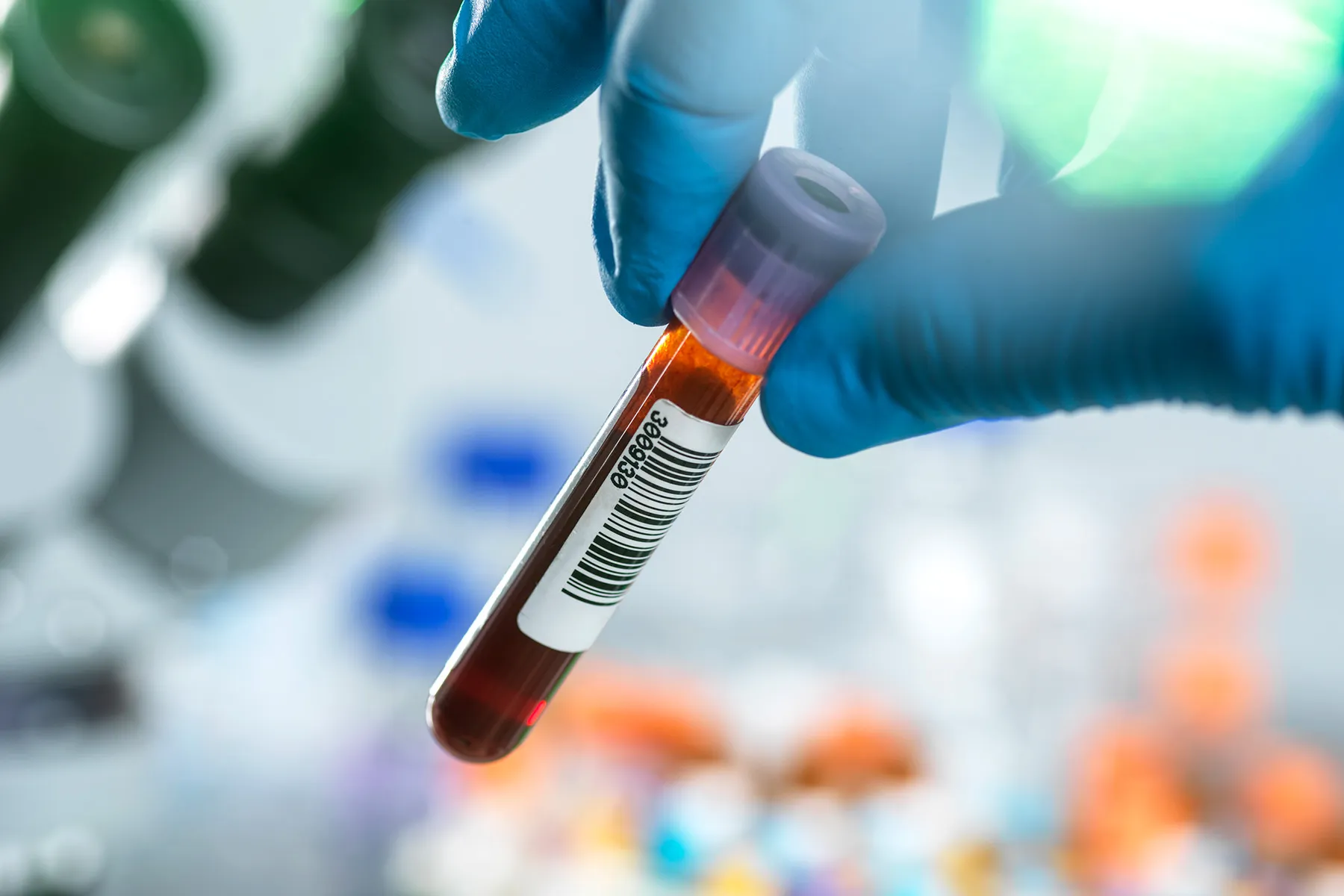
NSCLC: The Importance of Biomarker Testing
- Life Planning With Advanced NSCLC
Learn more about life planning with advanced NSCLC including how to plan for expenses, your care, life choices, and more.
- Metastatic Small Cell Lung Cancer: Tips for Accomplishing Important Matters
Preparing yourself emotionally and logistically for the end of life.
- What Is Non-Small-Cell Lung Cancer?
Learn its causes, symptoms, and usual treatments of this most common type of lung cancer.
- Your Genes and Non-Small-Cell Lung Cancer
Your risk for the condition may be affected by gene mutations. Learn what causes them and how genes may affect cancer treatment.
- How Doctors Are Refining Treatment for NSCLC
NSCLC treatments are getting better. Learn how targeted therapy and immunotherapy can help your care team personalize your treatment for the best results.
- When Lung Cancer Steals Your Appetite
TK
- Lung Cancer After Radiation: What to Know
Learn about how radiation for other cancers can sometimes cause lung cancer, and how to lower your risk.
- Cushing Syndrome and Small-Cell Lung Cancer
Small-cell lung cancers can make extra cortisol hormones. If this happens, you could have signs of Cushing syndrome. Early diagnosis and treatment is key.
- Paraneoplastic Syndromes in Small-Cell Lung Cancer
These rare symptoms are found in some people with small-cell lung cancer (SCLC). Learn what causes them and how they’re treated.
- Electrocautery for Non-Small-Cell Lung Cancer
Learn how electrocautery uses the power of electricity to treat non-small-cell lung cancer.
- Lung Cancer Cough: What to Know
Chronic cough isn’t always serious. But you should talk to your doctor if you’ve had one for more than a few weeks. It could be a sign of lung cancer.
- Lung Cancer and Native Americans
Lung cancer hits Native American communities hard. Learn the unique history behind this situation and how addressing care disparities is the key to change.
- Non-Small-Cell Lung Cancer and Black People
More people are surviving lung cancer, but Black people continue to face lower survival rates. Find out why and how to turn this statistic around.
- Who Gets Small-Cell Lung Cancer?
Who gets small-cell lung cancer? Find out how race, insurance status, and more may affect diagnosis and treatment.
- Who Gets Non-Small-Cell Lung Cancer?
Who gets non-small cell lung cancer? Find out how race, insurance status, and more may affect diagnosis and treatment.
- What Is Hexavalent Chromium?
Hexavalent chromium is a type of chromium compound. It can cause cancer and harm other parts of your body. Learn more about the risks of exposure.
- Managing the Symptoms of Metastatic Lung Cancer
Advanced lung cancer and treatments for it can lead to a variety of side effects. Here are some ways to get relief.
- Hospice Care for Lung Cancer
If you have late-stage lung cancer and treatments no longer work for you, your doctor may suggest hospice care. Here’s what to expect.
- Cryosurgery for Lung Cancer
Cryosurgery kills cancer cells by freezing them. It’s an option for those with lung cancer who can’t have resection. It also comes with some risks.
- Exercise as Therapy for Lung Cancer
Physical activity can benefit people with advanced or early-stage lung cancer, as long as it’s tailored to the specific individual.
- Laser and Photodynamic Therapy for Lung Cancer
Some types of lung cancer can be treated with photodynamic therapy, or PDT. The two-step treatment uses drugs called photosensitizers that are activated by certain kinds of light to kill cancer cells.
- Rehabilitation for Non-Small-Cell Lung Cancer
After you finish treatment, you may get a variety of rehabilitative therapies to help relieve symptoms and improve your quality of life.
- Depression and Lung Cancer
Lung cancer takes a toll on your mental health. Worsening depression also may cut your chances of survival. Learn to recognize the signs and how to get help.
- What Is Lung Cancer Stigma?
Lung cancer is hard enough. But many people with lung cancer face the additional burden related to lung cancer stigma. Learn what it means and how to cope.
- Caring for Someone with Advanced Lung Cancer
How to be a caregiver for someone with stage III or stage IV/metastatic lung cancer.
- Life Planning with Later-Stage Lung Cancer
When you are at the end stages of lung cancer, you’ll need to explore difficult topics such as getting paperwork in order and late-in-life care.
- What Is a Mediastinoscopy?
A mediastinoscopy can check for lung cancer or other complications. Learn more about this procedure, what it looks for, and any risks involved.
- SIADH and Small-Cell Lung Cancer: What's the Link?
SIADH is a complication of small-cell lung cancer that could affect your survival if you don't treat it.
- Lambert-Eaton Syndrome and Small-Cell Lung Cancer
Lambert-Eaton syndrome is a rare autoimmune disease that affects some people with small-cell lung cancer.
- Disparities in Lung Cancer Diagnosis and Treatment
Advances in lung cancer diagnosis and treatment mean people are surviving longer. But not everyone is benefitting equally. Find out what you can do to get the care you need.
- Signs Lung Cancer Has Spread to Your Brain
If you have late-stage lung cancer, odds are cancer might travel to your brain. Doctors call this brain metastases or brain mets. Learn more.
- Advances in Small-Cell Lung Cancer Treatment
New treatments for small-cell lung cancer: Find out what’s happening.
- Small-Cell and Non-Small-Cell Lung Cancer: What’s the Difference?
Get the facts on small-cell lung cancer, non-small-cell lung cancer, and how they’re different.
- Could a Clinical Trial Be an Option for EGFR-Positive NSCLC?
You’ll have more treatment options for EGFR-positive non-small-cell lung cancer (NSCLC) now than ever before. But doctors are still testing new treatments and combinations in clinical trials. Find out if a clinical trial may be an option for you.
- EGFR Mutations in NSCLC: What Does It Mean?
What are epidermal growth factor receptor (EGFR) mutations? Learn more about their biology, formation, and impact on lung cancer.
- The Role of EGFR Mutations in Non-Small Cell Lung Cancer Treatments
Some non-small-cell lung cancers (NSCLC) have changes in a gene called EGFR. If your NSCLC has these mutations, your doctor likely will recommend treatment with targeted therapies that block EGFR. Learn what you should know about your treatment options and outlook.
- Why Test for EGFR Mutations?
Comprehensive biomarker testing can identify EGFR or other mutations in your lung cancer. Learn the benefits of testing and how it can help shape treatment.
- Staying Positive With Metastatic SCLC
Living with metastatic small-cell lung cancer is challenging, but there are things you can do to find a positive attitude and feel more in control.
- Caring for Mental Health With Metastatic SCLC
Metastatic small-cell lung cancer can have a lasting effect your mental health. Learn what to watch for and how to get the support and care you need.
- Early Non-Small-Cell Lung Cancer
What is early non-small-cell lung cancer? Learn about this type of lung cancer, what may cause it, how it’s diagnosed and treated if caught early, and how to take good care of yourself during treatment and recovery.
- EGFR Exon 20 Insertion Mutation
Normally, your EGFR helps healthy cells grow and spread. Changes that can happen to EGFR can cause cancer. One is an exon 20 insertion mutation.
- Practical Tips for People With Lung Cancer
Living with lung cancer comes with many challenges. Try these strategies as you go through treatment.
- The Cost of Lung Cancer
From screening to doctor visits to chemotherapy and surgery, lung cancer costs can come at a hefty price. Find out how the kinds of expenses that Medicare or a health insurance plan will pay and what you might have to pay on your own.
- How to Quit Smoking if You Have Lung Cancer
If you are living with lung cancer, it’s more important than ever to quit smoking. Learn helpful tips and resources on how you can overcome the obstacles and give up your smoking habit for good.
- What Causes Lung Cancer?
It’s more than just smoking. Find out some of the main causes of lung cancer and what puts you at risk for it.
- What Helps to Prevent Lung Cancer From Coming Back?
After you’ve completed treatment for lung cancer, there’s no guarantee it won’t come back. But there are things you can do reduce the risk.
- Conditions That Can Seem Like Lung Cancer
In its early stages, lung cancer usually doesn’t have many warning signs. Over time, you may notice symptoms like chest pain, coughing, and shortness of breath. But several other conditions can also cause these things. Learn more about conditions that may seem like lung cancer.
- Lung Cancer Complications
Lung cancer is caused by cancerous tumors that can spread across the lungs and to different parts of the body. Depending on where the tumor is located, you may cause other health complications along with lung cancer.
- Can You Exercise When You Have Lung Cancer?
If you have lung cancer, you may be unsure about exercise. But physical activity can help you breathe, feel, and manage your cancer better. Learn how you can start exercising and working out safely.