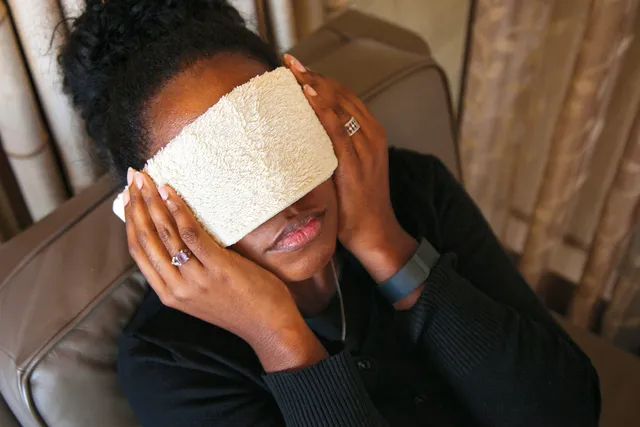
With migraines, one of the best things you can do is learn your personal triggers that bring on the pain. Red wine, caffeine withdrawal, stress, and skipped meals are among the common culprits.
The first step is to track your migraine symptoms in a diary. Note what you were doing before and when your headache came on. What were you eating? How much sleep did you get the night before? Did anything stressful or important happen that day? These are key clues.
Learn Your Migraine Triggers
When you look at your diary, you might find that these things tend to lead to a migraine:
- Stress
- Menstrual periods
- Changes in your normal sleep pattern
- Extreme fatigue
- Certain foods and drinks
- Too much caffeineor withdrawal from it
- Alcohol
- Skipping meals or fasting
- Changes in the weather
- Exercise
- Smoking
- Bright, flickering lights
- Certain smells
7 Steps to Avoid Migraine Triggers
- Watch what you eat and drink. If you get a headache, write down the foods and drinks you had before it started. If you see a pattern over time, stay away from that item.
- Eat regularly. Don't skip meals.
- Curb the caffeine. Daily caffeine can raise the risk for migraines in some people. If you’re one of them, slowly cut down on caffeine. (That’s because suddenly missing your morning coffee can actually trigger a migraine headache.)
- Be careful with exercise. Everyone needs regular physical activity. It's a key part of being healthy. But it can trigger headaches for some people. If you're one of them, you can still work out. Ask your doctor what would help.
- Get regular shut-eye. If your sleephabits get thrown off, or if you're very tired, that can make a migraine more likely.
- Downsize your stress. There are many ways to do it. You could exercise, meditate, pray, spend time with people you love, and do things you enjoy. If you can change some of the things that make you tense, set up a plan for that. Counseling and stress management classes are great to try, too. You can also look into biofeedback, where you learn how to influence certain things (like your heart rate and breathing) to calm down stress.
- Keep up your energy. Eat on a regular schedule, and don't let yourself get dehydrated.
Migraine Trigger Foods
These things are migraine triggers for some people:
- Foods that have tyramine in them, such as aged cheeses (like blue cheese or Parmesan), smoked fish, and Chianti wine
- Alcohol, especially red wine
- Caffeine, which is in coffee, tea, colas, and other sodas
- Foods made with nitrates, such as pepperoni, hot dogs, and lunch meats
- Dried fruits
- Potato chips
- Pizza, peanuts, and chicken livers
- Bread and other baked goods with yeast, such as sourdough bread, bagels, doughnuts, and coffee cake
- Chocolate
- Cultured dairy products (like yogurt and kefir)
- Fruits or juices such as citrus fruits, dried fruits, bananas, raspberries, red plums, papayas, passion fruit, figs, dates, and avocados
- Nuts and nut butters
- Olives
- Soy products (miso, tempeh, soy sauce)
- Tomatoes
- Vegetables like onions, pea pods, some beans, corn, and sauerkraut
- Vinegar
How Do Triggers Work?
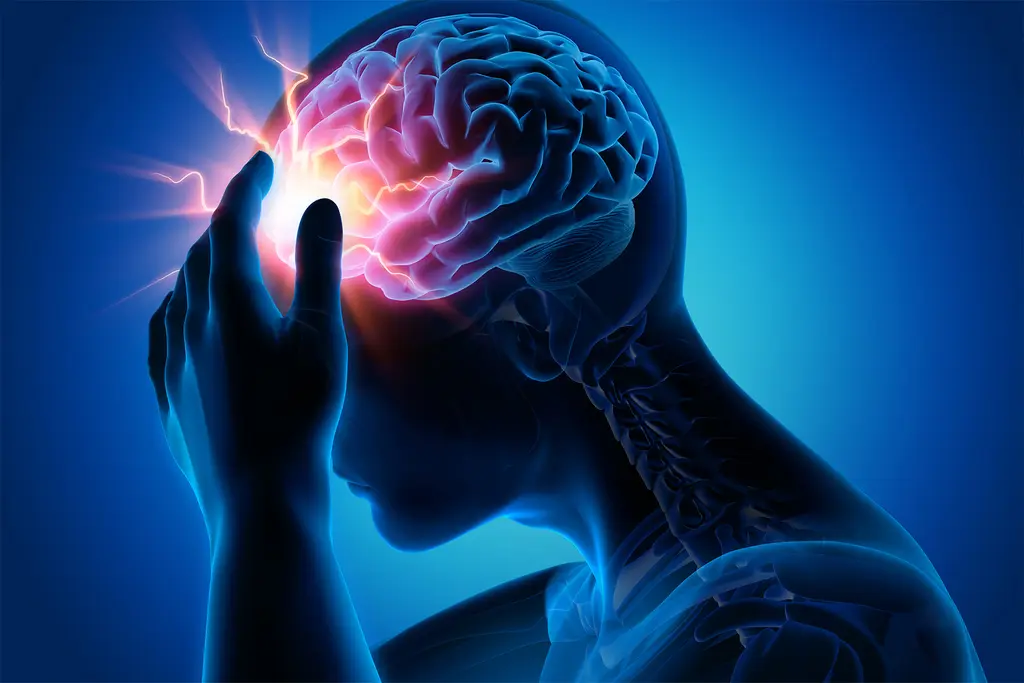
An easy way to think of a trigger is that it’s like a light switch: When it's flipped on, a process starts in your brain that can end in pain and other migraine symptoms.
But it's not as simple as cause and effect. Something that triggers a migraine one day may not have the same effect on another. You're probably more likely to get a migraine if more than one of your triggers is present.
Types of Stress Triggers
Triggers vary from person to person but are often related to stress, whether it's:
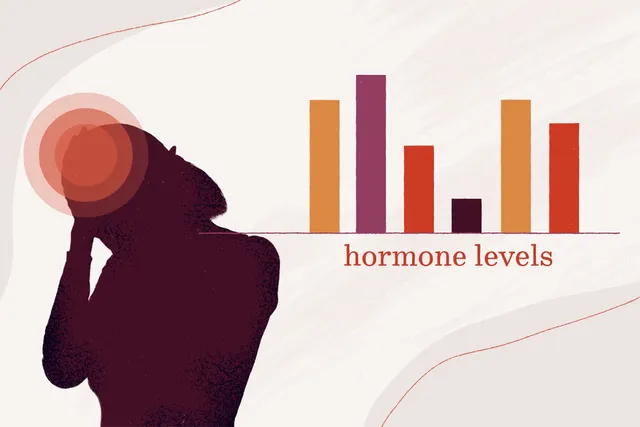
- Physical, such as dehydration, sleep loss, or hormone changes
- Emotional, like anxiety
- Environmental, such as changes in the weather
Show Sources
(Photo Credit: iStock/Getty Images)
SOURCES:
Cleveland Clinic: "Migraines," "Migraine Headache Diary," "Migraines: Specific Foods," "Migraines: Exercise," "Migraines: Stress."
National Institute of Neurological Disorders and Stroke: "NINDS Migraine Information Page."
Office of Women's Health, U.S. Department of Health and Human Services: "Migraine Fact Sheet."
Sutter Health: "Common Migraine Headache Triggers."
National Migraine Centre: "Migraine triggers?"