When you have long-term migraine, it's about much more than a headache. You may feel sick to your stomach or find it hard to handle light, sounds, and smells. For some people, though, it doesn't stop there. They also get something called an aura.
Most often, an aura causes you to see strange things, like colored spots or flashing lights. It can be scary, especially the first time it happens.
Migraines without auras are much more common than any other kind. You can get them as often as several times a week or as little as once a year.
Auras show up in about 1 in 3 people with migraine, but you're not likely to get them every time. So it's possible you might have both types of migraine, with auras happening here and there.
What Causes Migraines?
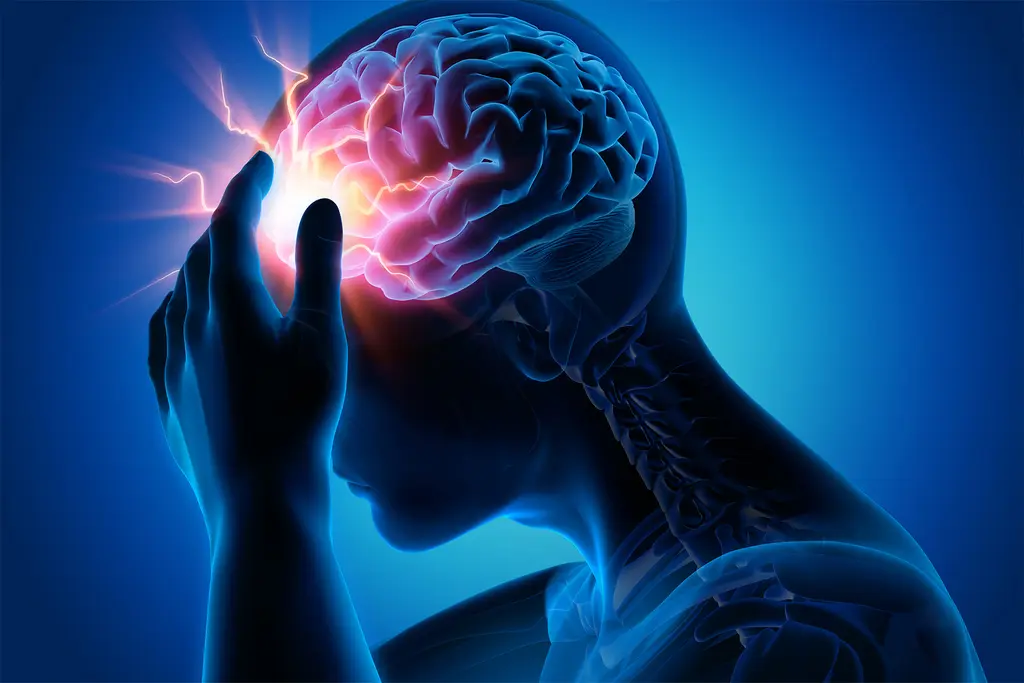
Scientists aren't sure what causes migraines. They think many brain chemicals -- such as serotonin, calcitonin gene-related peptide, and dopamine -- play a role. According to the theory, a wave of nerve cell activity spreads across the brain and excites the trigeminal nerve. This causes the release of neurotransmitters that trigger a change in the size of blood vessels, releasing more neurotransmitters and finally causing an inflammatory process and pain.
Migraines often run in families. Other things can trigger migraine attacks for some people, like some foods, smells, stress, and things in the world around you. Changes in estrogen levels can lead to migraines for some people.
Migraines often begin in childhood and get worse through the teen years. More boys than girls have migraines, but more adult women than adult men have them. They usually happen less over time. Migraines become rare after age 50.
Although painful, a migraine is not life-threatening.
How Are They Different?
With or without an aura, you also get typical migraine symptoms, which may last 4 to 72 hours. They can include:
- Being sensitive to light, smells, sound, motion, and touch
- Blurred vision
- Pain that's usually on one side of the head and worse when you move
- An upset stomach and throwing up
- Stiffness in your shoulders and neck
- Yawning
- Crankiness
When you get an aura, it typically sets in slowly over 5 to 20 minutes. It may last up to an hour. It often acts as a warning before any pain shows up. But it can happen during the migraine, as well.
Visual auras. These are the most common ones. You might see unusual shapes or effects that grow or move, such as:
- Blind spots
- Colored spots
- Flashes of light
- Sparkles and stars
- Tunnel vision
- Zigzags
Other auras. Less often, they can affect your other senses and even your ability to move. You might have:
- Confusion and a hard time understanding people
- Movements you can't control, like sudden jerks
- Muscle weakness
- Music or noises in your head that aren't really there
- Pins and needles that start in your fingers or arm and spread to your face
- Speech problems, as if you know what you want to say but can't form the words
It’s important to remember that these can also be symptoms of a stroke. If you have any of them and your doctor has not told you before that they are a part of your migraine, call 911.
Sometimes, you can get an aura without any other symptoms. That's sometimes called a silent migraine. It's more common in people 50 and older.
Do I Need Different Tests?
With any kind of migraine, your doctor may ask you things like:
- Do other people in your family have migraines or other kinds of headaches?
- Do you have any allergies?
- What is the level of stress in your life?
- Do you use medications such as birth control pills or vasodilators that could cause headaches?
- Do you notice that headaches start after coughing or sneezing or after intense exercise?
They’ll do tests to check for other conditions that could cause your symptoms. You may have blood or imaging tests, like a CT or MRI.
Symptoms of a migraine with aura can look like a more serious condition, such as a stroke or a seizure. To rule those out, you may get some extra tests, including an eye exam. You might also be more likely to have imaging tests.
The first time you notice an aura, it's important to get medical care right away to find out what's going on.
Once you've made sure there are no other issues, you don't need to see your doctor every time you have that same aura. But if your symptoms change, make sure to check in.
Are They Treated Differently?
Not really. Experts aren't sure what causes auras, so there's nothing special you can do about them. It's about treating the migraine symptoms and preventing more attacks.
To ease migraine symptoms:
- Stay in a quiet, dark room.
- Put cold compresses or pressure on the painful areas.
- Take pain-relieving medications such as aspirin, acetaminophen, ibuprofen, ketorolac, or naproxen. People under the age of 19 should not take aspirin.
- Celecoxib (Elyxyb) is a prescription non-steroidal anti-inflammatory drug (NSAID) that blocks an enzyme your body uses to make hormones called prostaglandins. High levels of prostaglandins are linked to inflammation and pain. It comes in liquid form so it works quickly to stop migraines that have already started.
- Use prescription drugs, such as almotriptan (Axert), eletriptan (Relpax), frovatriptan (Frova), lasmiditan (Reyvow), naratriptan (Amerge), rizatriptan (Maxalt), and sumatriptan (Imitrex, Onzetra Xsail, Sumavel DosePro, Tosymra, Zembrace SymTouch), which help narrow blood vessels.
- Ergots (Cafergot, Migergot) and gepants (Nurtec, Ubrelvy) are prescription drugs that may also ease migraine pain.
- Use medications to treat other migraine symptoms such as nausea and vomiting.
To prevent migraines:
Medications. If other treatments don’t work and you have 4 or more migraine days a month, your doctor may suggest preventive medicines. You take these regularly to make headaches less severe or less frequent. They include seizure medicines, blood pressure medicines (like beta-blockers and calcium channel blockers), and some antidepressants. CGRP inhibitors are a new class of preventive medicine that your doctor may recommend if other medicines don’t help.
Devices. Cefaly is a portable headband-like device that sends electrical impulses through the skin of the forehead to stimulate a nerve linked with migraine headaches. You use it once a day for 20 minutes. When it's on, you'll feel a tingling or massaging sensation. SpringTM or eNeura sTMS may be another option. You hold this device at the back of your head at the first sign of a headache, and it gives off a magnetic pulse that stimulates part of the brain. In addition, a noninvasive vagus nerve stimulator called gammaCore releases a mild electrical stimulation to the nerve's fibers to relieve pain. Some of these devices may also treat migraines after they start.
Keep a headache diary. It will help you spot things that might trigger your migraines. Diary entries should include things like the date and time of your headache, any foods you had eaten, what you did, and medication you took just before the headache began. It may take 6 to 8 weeks or longer to begin to see patterns and triggers.
Avoid common food triggers. Use information from your diary and from trial and error to figure out if any of these foods might be causing your migraines:
- Chocolate
- Cheese
- Red wine or other types of alcohol
- Citrus fruits
- Avocados
- Bananas
- Raisins
- Plums
- Artificial sweeteners
- Food preservatives, such as nitrates, nitrites, and monosodium glutamate (MSG)
- Ice cream or other cold foods
Avoid medication triggers. Many over-the-counter and prescription drugs can bring on migraines. Check with your doctor if you think any of these may lead to your headaches:
- Cimetidine
- Birth control pills and hormone therapy
- Hydralazine (Apresoline)
- Nifedipine (Procardia)
- Nitroglycerin
- Reserpine
Never stop taking a medication unless your doctor tells you to.
Relieve mental or emotional triggers. Stress, depression, anxiety, and strong feelings such as grief can trigger migraines. Although you can’t always avoid these things, you can learn to control how you handle them. Relaxation, biofeedback, and self-hypnosis techniques can help relieve these sources of stress and prevent migraines, especially in children.
Reduce physical triggers. Illnesses, fatigue, and missing meals can all trigger migraines. So can overdoing exercise, motion, and head injuries. Even menstruation can set off migraines. Know how these things affect you, keep a regular routine, treat illnesses quickly, and take steps to avoid other physical triggers.
Look for environmental triggers. Some people are sensitive to flickering lights, fluorescent lights, changes in air pressure or altitude, or even bold visual patterns. Use your headache diary to spot any possible triggers in your environment -- and then take steps to get rid of them or avoid them.
Migraine and Stroke
Migraine with aura slightly raises your chances of getting a stroke. This is especially important to know for women who take birth control pills, get hormone replacement therapy, or smoke, since these things can raise your odds even more.
If you have migraine with aura, work with your doctor to understand how you can lower the chances you'll get a stroke. And keep in mind that an aura usually goes away when the migraine shows up. If it lasts more than an hour, get medical help right away.
Show Sources
(Photo Credit: iStock/Getty Images)
SOURCES:
The Migraine Association of Ireland: "Migraine Without Aura," "Migraine With Aura."
Mayo Clinic: "Migraine," "Migraine with Aura."
The Migraine Trust: "Types of Migraine," "Migraine Without Aura," "Migraine With Aura."
American Migraine Foundation: "Migraine and Aura."
American Family Physician: "Treatment of Acute Migraine Headache."
eMedicine.com: "Headache, Migraine,” "Migraine Headache: Pediatric Perspective."
International Headache Society: "International Classification of Headache Disorders, edition 2."
eMedicineHealth.com: "Alternative and Complementary Approaches to Migraines and Headaches."
FDA.
American Academy of Ophthalmology: "Photophobia: Looking for Causes and Solutions."
Cleveland Clinic: "Migraine Headaches," "Prostaglandins."
Headache: "Noise as a trigger for headaches: relationship between exposure and sensitivity."
Headache Pain: "Phenotypic features of chronic migraine."
Nature Neuroscience: "A neural mechanism for exacerbation of headache by light."
Neurology: "The anterior insula shows heightened interictal intrinsic connectivity in migraine without aura."
NHS: "Migraine and light sensitivity."
UpToDate.