1 of 4 / Face & Body
View All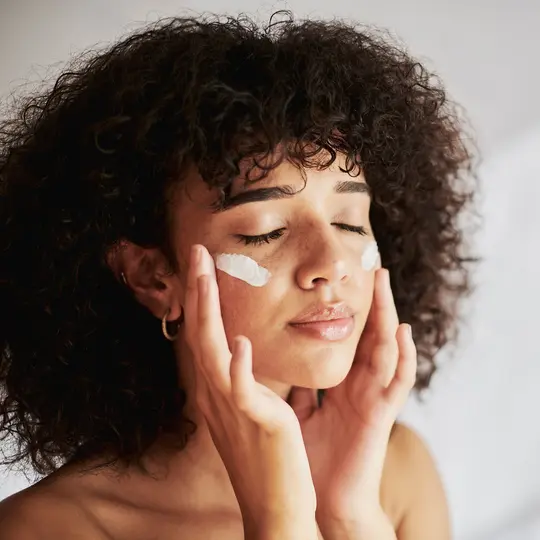
What's Your Skin Type?
Your skin can change over time. Is it normal, oily, dry, combination, or sensitive skin? Which type do you have?
Supplements for Healthy Skin
Certain vitamins and antioxidants may improve the health and quality of your skin.
Nutrients for Healthy Skin
Your skin needs the right balance of nutrients. To keep skin looking, working, and feeling good, feed it well from the inside.
20 Common Questions About Sensitive Skin
Get answers to your top, most common questions about sensitive skin.
2 of 4 / Hair & Nails
View All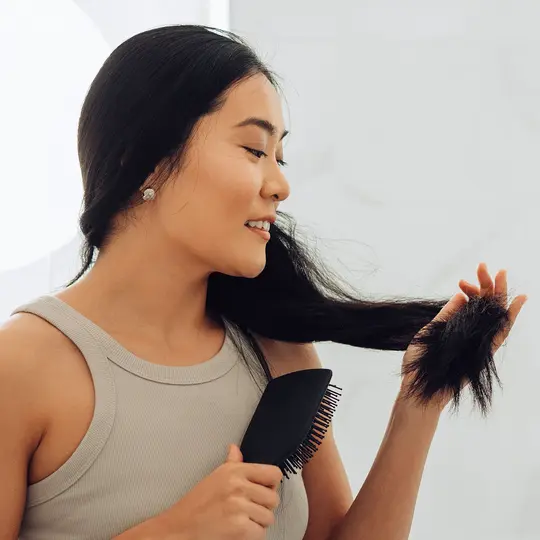
What to Know About Split Ends
Split-end hairs can happen to anyone at any time. While hair is generally strong, it is still susceptible to damage.
Rice Water for Hair
Rice water has been used for centuries in Asian cultures as a beauty treatment. Can it really help your hair grow longer?
Fight Flaky Scalp
Dandruff - or seborrheic dermatitis -- happens when dead skin cells are shed at a faster-than-normal rate.
Artificial Nails: What to Know Before You Get Them
Artificial nails can help you make a fashion statement or wear long nails if your real ones won’t grow.
3 of 4 / Makeup & Cosmetics
View All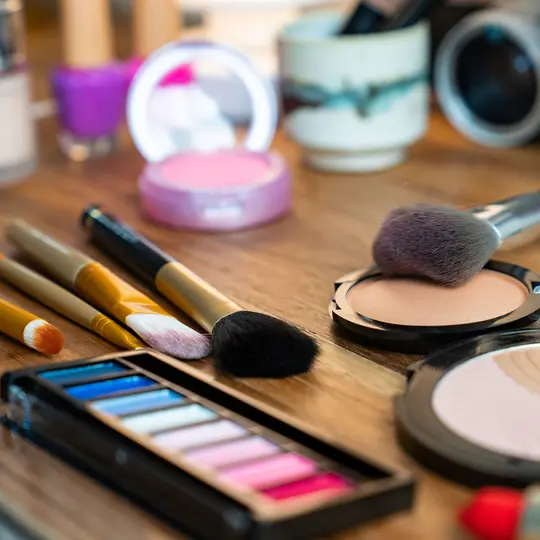
How to Clean Makeup Brushes
Makeup brushes can become a haven for bacteria. Because of this, you should wash your makeup brushes every seven to ten days.
What Is Lip Blushing?
Lip blushing is a new trend. It’s a semi-permanent tattoo, usually in a natural color, that’s applied to your lips.
Magnetic Lashes: Are They Safe?
Magnetic lashes are marketed as easy to use and safe. Here's what you need to know about this cosmetic trend.
What Is Squalane?
Squalane is a moisturizing ingredient used in some skin care products, like anti-aging cream, lip gloss, and sunscreen.
4 of 4 / Outsmart Aging
View All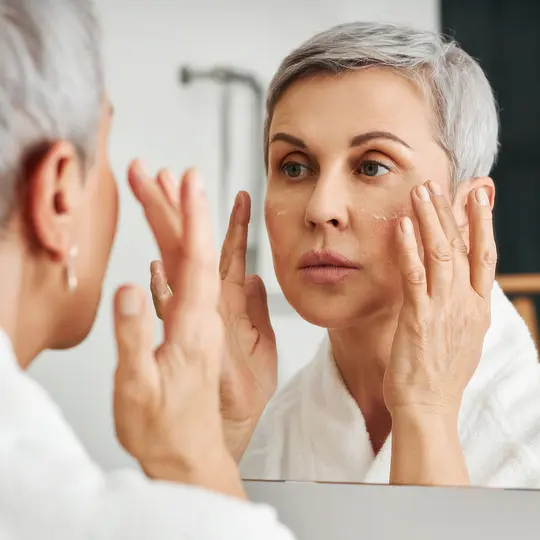
The Effects of Aging on Skin
Our skin is at the mercy of many forces as we age: sun, harsh weather, and bad habits.
Cosmetic Procedures for Aging Skin
To combat aging skin, some people may opt for surgery, such as a facelift, brow lift, or cosmetic surgery on the eyelids.
Wrinkle Fillers
Injectable wrinkle fillers can give you a more youthful look for a fraction of what a traditional facelift costs.
Laser Skin Resurfacing
Laser skin resurfacing, also known as laser peel, laser vaporization or lasabrasion, removes skin layer by layer.
Suggested Reads about Healthy Beauty
Don’t Worry, Gen Z, Your Face Isn’t Aging Faster Than Others
Some members of Generation Z are worried they are aging more quickly, thanks to social media influencers selling products. But skin care experts said the claim is false. Rather, it largely boils down to perception.
CDC Investigating Illnesses from Potentially Bogus Botox
At least 19 people from nine states have reported serious reactions after receiving botox injections from unlicensed or untrained individuals or in non-healthcare settings.
‘Clean’ Beauty: What to Know
"Clean" and “natural” cosmetics and skin care products are all the rage. But there are no definitions for either clean or natural from the FDA, which regulates cosmetics. Here's what to know about the beauty trend.
Can This Common Herb Help Grow Hair?
Rosemary oil is good at regrowing hair in people with androgenetic alopecia, which is a common form of hair loss. The herb might also protect hair from the sun, pollution, and other environmental elements.
8 million+ Physician Ratings & Reviews
Find Doctors and Dentists Near You
You can also search by physician, practice, or hospital name