1 of 4 / Overview & Symptoms
View All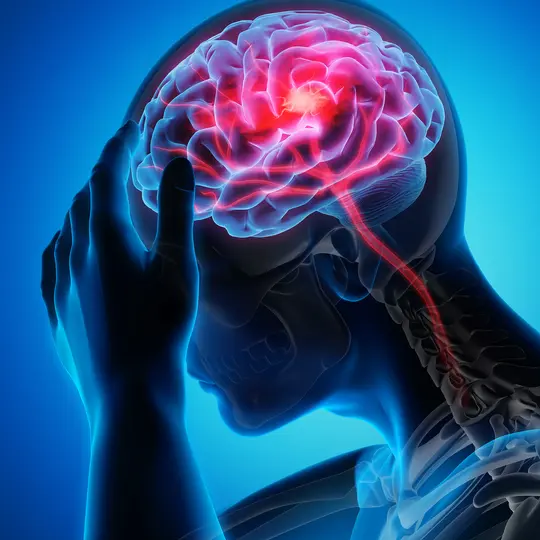
What Is a Stroke?
Disruptions of blood circulation to the brain may result in a stroke. It occurs in two forms, both potentially life-threatening.
Warning Signs
You're more likely to have one or more sudden warning signs like numbness or weakness, confusion, dizziness, or severe headache.
Stroke Symptoms
If you or someone with you exhibits signs of a stroke, do not delay. Timely treatment is critical to survival and recovery.
Types of Stroke
There are three major kinds of stroke: ischemic, hemorrhagic, and transient ischemic attack (TIA) -- with different symptoms.
2 of 4 / Causes & Complications
View All
What Puts You at Risk?
You can change or manage some things that put you at risk for a stroke, such as high blood pressure and smoking.
How Can I Prevent Stroke?
To reduce your chances of stroke, adopt habits that promote cardiovascular health and deter hardening of the arteries.
Stroke-Related Dementia
In the U.S., stroke-related cognitive decline, vascular dementia, is the second most common form of dementia after Alzheimer's.
Vascular Dementia
What happens when someone has vascular dementia? Learn more about its causes, symptoms, and treatment.
3 of 4 / Diagnosis & Treatment
View All
Identifying and Treating Stroke
With stroke, a doctor must confirm the symptoms, identify the type of stroke, its location, and the extent of brain damage.
Thrombolysis
Thrombolysis is a treatment to dissolve clots in blood vessels, improve blood flow, and prevent damage to tissues and organs.
Stroke Rehabilitation
In stroke rehab, a team of health professionals works with you to regain skills you lost as the result of a stroke.
4 of 4 / Living With
View All
Suggested Reads about Stroke
Mobile Stroke Units Can Change Lives
Mobile stroke units are specially equipped ambulances for stroke patients. Why aren’t they more widespread?
Stroke Risk in Black Americans: Expert Q&A
The risk of having a stroke, and dying of one, is higher for Black Americans than for other racial and ethnic groups. Find out why – and what helps prevent strokes.
U.S. Stroke Rate Decreases, Racial Inequality Gap Remains
Though the overall rate of strokes has decreased in the United States, Black adults still experience strokes more frequently and at younger ages than white adults.
Short-term Exposure to Air Pollution Can Raise Stroke Risk
The risk of stroke increases by as much as 30% within five days of being exposed to air pollution, according to new research.
Top Search Terms for Stroke
8 million+ Physician Ratings & Reviews
Find Doctors and Dentists Near You
You can also search by physician, practice, or hospital name