What Are Chemical Burns?
Chemical burns are injuries to the skin, eyes, mouth, or internal organs caused by contact with a corrosive substance. They may also be called caustic burns.
Chemical burns can happen in the home, at work, or at school. They can result from an accident or an assault. Although few people in the United States die after contact with chemicals in the home, many substances common in living areas and in storage areas can do serious harm.
Many chemical burns happen accidentally through misuse of products such as those for hair, skin, and nail care. Although injuries do happen at home, the risk of sustaining a chemical burn is much greater in the workplace, especially in businesses and manufacturing plants that use large quantities of chemicals.
Types of Chemical Burns
Chemical burns are classified like other burns based on the amount of damage done:
- Superficial or first-degree burns only affect the outer layer of skin, called the epidermis. The area will be red and painful, but there usually is no permanent damage.
- Partial thickness or second-degree burns extend into the second layer of skin called the dermis. You may have blisters and swelling, and it may leave scars.
- Full thickness or third-degree burns go through the skin and may damage tissue underneath. The area may look black or white. Because nerves are destroyed, you may not feel pain.
Chemical Burn Causes and Risk Factors
Most chemicals that cause burns are either strong acids or bases. A glance at the medical information on the labels of dangerous chemicals confirms the expected toxicity. Commonsense precautions and consumer education can reduce your family's risk of injury. A variety of household products can cause chemical burns, including:
- Ammonia
- Battery acid
- Bleach
- Concrete mix
- Drain or toilet bowl cleaners
- Metal cleaners
- Pool chlorinators
- Tooth-whitening products
Infants and older people are most at risk for burns. Chemical burns tend to happen to:
- Young children exploring their environments who get their hands on something dangerous
- People whose jobs put them in contact with chemicals
Chemical Burn Symptoms
Chemical burn of the skin.

Chemical burn of the eye.
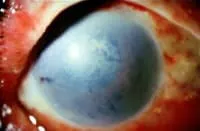
All chemical burns should be considered medical emergencies. If you have a chemical burn of the mouth or throat, call 911 and seek immediate medical attention.
Most chemical burns happen on the face, eyes, arms, and legs. Usually a chemical burn will be relatively small and will require only outpatient treatment. Chemical burns can be deceiving, however. Some agents can cause deep tissue damage not readily apparent when you first look at it.
Signs and symptoms of chemical burns include the following:
- Redness, irritation, or burning at the site of contact
- Pain or numbness at the site of contact
- Formation of blisters or black dead skin at the contact site
- Vision changes if the chemical gets into your eyes
- Cough or shortness of breath
Tissue damage from chemical burns depends on several things, including:
- The strength or concentration of the chemical
- The site of contact (eye, skin, mucous membrane)
- Whether it's swallowed or inhaled
- Whether or not skin is intact
- How much of the chemical you came into contact with
- Duration of exposure
- How the chemical works
In serious cases, you may develop any of the following:
- Low blood pressure
- Faintness, weakness, dizziness
- Shortness of breath
- Severe cough
- Headache
- Muscle twitching or seizures
- Irregular heartbeat
- Cardiac arrest
Chemical burns can be very unpredictable. Death from a chemical injury, although rare, can happen.
Emergency Medical Care for Chemical Burns
Any chemical burn can be a legitimate reason to get emergency medical help. Always call 911 if you don't know how severe the injury is or whether or not the person is medically stable. Also call 911 if you have any concerns about a chemical injury.
Emergency personnel are trained to assess the extent of a chemical burn, begin treatment, and take patients to the hospital.
Emergency workers also may determine the need for more involved decontamination of both you and the accident site prior to going to the hospital. When you contact 911, tell the dispatcher as much of the following information as possible:
- How many people are injured and the location where they are
- How the injury happened
- Whether emergency personnel can reach the victims or whether the victims are trapped
- Name, strength, and volume or quantity of the chemical causing the burn (Give a container of the chemical to emergency personnel, if possible.)
- Length of time of contact with the chemical
Always seek emergency care for any burn that is larger than 3 inches in diameter or is very deep. Also seek emergency care for any chemical burns involving the face, eyes, groin, hands, feet, or buttocks or if it is over a joint.
Even if the exposure was very small and you have completed basic first aid, call your doctor to review the injury and the chemical involved and to make sure no further emergency treatment is needed. The doctor can arrange appropriate treatment or will direct you to go to a hospital's emergency room. If you're the person with the burn, ask your doctor if you need a tetanus shot.
Chemical Burn Diagnosis
In the emergency room, you can expect the following:
- Initial evaluation and stabilization
- Rapid evaluation of the chemical
- Determination of the extent of injury
- Blood tests and other studies to determine if you should be admitted to the hospital
Most people with chemical burns do not need to be admitted. Most can go home after arranging follow-up care with their doctor. In severe cases, however, they may need to be admitted to a hospital.
Chemical Burn Treatment
As soon as you or your child have contact with a dangerous chemical, begin basic first aid. Call Poison Control at 800-222-1222 if you do not know whether the chemical is toxic.
Immediately call 911 if you have a severe injury, any shortness of breath, chest pain, dizziness, or other symptoms throughout your body. If you are aiding an injured person with these symptoms, lay the person down and immediately call 911.
First aid
- Remove yourself or the person with the burn from the accident area.
- Remove any contaminated clothing.
- Wash the injured area to dilute or remove the substance, using large volumes of water. Wash for at least 20 minutes, taking care not to allow runoff to contact unaffected parts of your body. Gently brush away any solid materials, again avoiding unaffected body surfaces.
- Especially wash away any chemical in your or the person's eye. Sometimes the best way to get large amounts of water to your eye is to step into the shower.
Medical treatment
- IV fluids may be needed to normalize blood pressure and heart rate.
- The IV access may also be used for any medications needed to treat pain or protect against infection.
- Decontamination will begin (likely water irrigation).
- You will be given any antidote to counteract the chemical, if appropriate.
- Antibiotics often are not needed for minor chemical burns.
- Wounds will be cleaned and bandaged with medicated creams and sterile wraps as needed.
- Consultation with other medical specialists may be done.
- Pain from a burn can often be severe. Adequate pain control will be addressed by your doctor.
- If there is any indication of breathing problems, a breathing tube may be placed in your airway to help.
- If needed, a tetanus booster will be given.
- Itching as a burn heals can be a serious problem. You may need special medication to soothe it.
- For severe burns, you may need surgery. In a process called skin grafting, a piece of healthy skin from somewhere else on your body or from a donor can be transplanted to replace the damaged skin.
- Cosmetic or reconstructive surgery may be needed to deal with scarring.
- Physical and occupational therapy can keep scars from limiting your range of motion.
- Counseling and support groups can help with emotional issues caused by trauma from the injury or disfigurement.
Chemical Burn Follow-Up
After leaving the emergency department, call your doctor within 24 hours to arrange follow-up care. Call sooner if any new problems or concerns arise.
Chemical Burn Complications
Serious chemical burns can cause long-term complications:
- Many people have pain and scarring.
- Burns in the eye can lead to blindness.
- Swallowing harmful chemicals can lead to problems in your gastrointestinal tract, potentially leading to permanent disability.
- Some acid burns can cause the loss of fingers or toes.
- Burns can cause emotional issues including anxiety, depression, and insomnia.
Chemical Burn Prevention
- Secure all chemicals in and out of the home in locked cabinets or out of the reach of children.
- Store chemicals in their original containers.
- Try to use chemicals as little as possible, and don’t let them touch your skin.
- When using chemicals, always follow directions and safety precautions on the label provided by the manufacturer.
- Make sure your work area is well ventilated.
- Wear safety clothing and eye protection, and remember, safety first!
Chemical Burn Outlook
Most chemical burns are minor and can be treated without causing long-term problems. Some burns, however, cause significant scarring or other medical complications.