1 of 9 / Overview
View All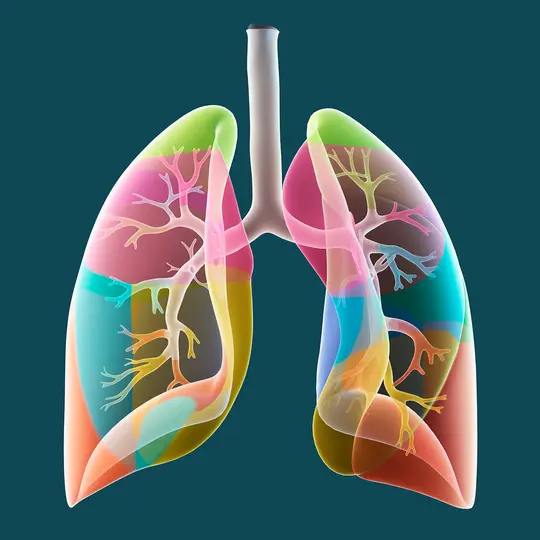
What Is Lung Cancer?
Lung cancer starts in your lungs and can spread to other parts of your body. There are more than 20 kinds of lung cancer.
Lung Cancer Statistics
Lung cancer is responsible for the most cancer-related deaths for both men and women throughout the world.
Lung Cancer Survival Rates
With lung cancer, one of your first questions probably is if you might be cured. That is, what are your odds of survival?
Conditions That Can Seem Like Lung Cancer
Some other conditions can have similar warning signs to lung cancer. It’s important to find out what’s going on.
2 of 9 / Causes, Risks & Prevention
View All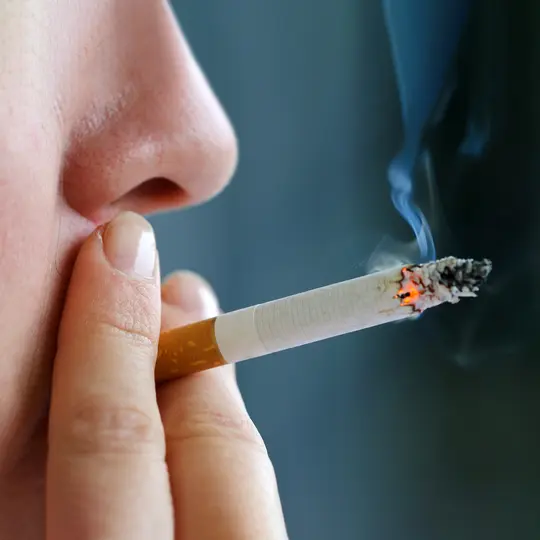
Causes of Lung Cancer
Lung cancer happens when the cells in your lungs mutate, or change. A variety of things cause lung cancer.
Who Gets Non-Small-Cell Lung Cancer?
Age, sex, race, income, and access to screening and preventive care factor into who gets lung cancer.
Does Smoking Cause Cancer?
Smoking is far and away the leading cause of lung cancer, even for nonsmokers who get it from secondhand smoke.
Can a Non-Smoker Get Lung Cancer?
You can get lung cancer even if you've never put a cigarette to your lips. There are lots of reasons why this can happen.
3 of 9 / Signs & Symptoms
View All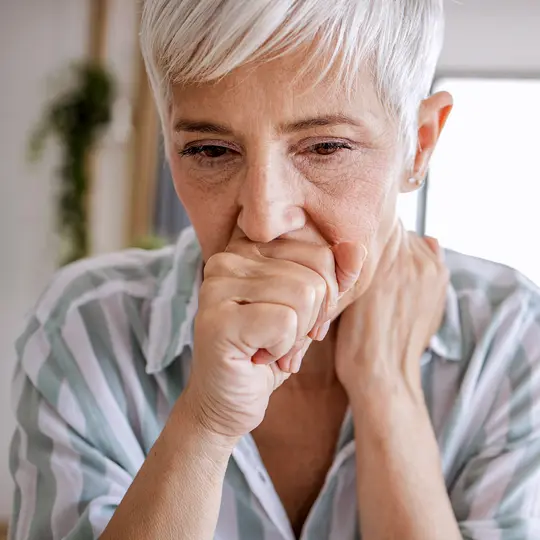
Lung Cancer Symptoms
Lung cancer usually has no symptoms in its early stages.
Lung Cancer Cough: What to Know
Studies show at least 65% of people with lung cancer have a nagging cough by the time they’re diagnosed.
Is Upper Back Pain a Sign of Cancer?
About 1 in every 4 people with lung cancer say they've had back pain at some point since their diagnosis.
Is Shoulder Pain a Sign of Cancer?
Shoulder pain is the most common symptom of a type of cancer called Pancoast tumor. These tumors are rare.
4 of 9 / Tests & Diagnosis
View All
How Is Lung Cancer Diagnosed?
Lung cancer is usually confirmed with a biopsy. Your doctor will also determine the cancer type and how far it has spread.
Lung Cancer Screening and Tests
If you're a smoker or have other risks for lung cancer, you may want to get a screening test.
Lung Biopsy
If your doctor spots something out of the ordinary on your chest X-ray or CT scan, they may ask you to get a lung biopsy.
Thoracentesis
With a thoracentesis, a doctor uses imaging guidance to put a needle through your chest wall and into the pleural space.
5 of 9 / Your Lung Cancer Care Team
View All
Choosing Your Cancer Care Team
As you go through lung cancer treatment, you’ll have a whole team of professionals ensuring that you’re getting quality care.
Lung Cancer Questions to Ask Your Doctor
Finding out you have lung cancer can be overwhelming. Use this list of questions to help you get the answers you’ll need.
Lung Cancer Dos and Don'ts
The news that you have lung cancer can be scary. It’s hard to know what to do next. Here are a few things to think about.
6 of 9 / Treatment
View AllLung Cancer Treatments
Your doctors will plan your lung cancer treatment based on what you need. It will depend on several factors.
Combination Therapy
When doctors use two or more methods to treat cancer, they call it combination therapy.
Laser and Photodynamic Therapy
Some types of lung cancer can be treated with a drug that works when it is combined with the power of light energy.
Inoperable Lung Cancer
Inoperable lung cancer is a tumor that surgery can’t treat. It’s also called unresectable lung cancer.
7 of 9 / Living With
View AllLiving With Lung Cancer
Lung cancer can affect your daily life in different ways. Here are some ways to make living with the disease a bit easier.
Breathing Exercises for NSCLC
If you have NSCLC, breathing exercises are often the first step toward recovery.
Depression and Lung Cancer
Depression is a concern when you have lung cancer. It can make it harder for you to function and go through treatment.
Palliative Care for Lung Cancer
When you’re living with lung cancer, both the disease and the treatments for it can take a toll on your quality of life.
8 of 9 / Remission & Recurrence
View AllWhat Happens After Lung Cancer Treatment
The end of lung cancer treatment is the beginning of the rest of your life. For many, it’s a cautious celebration.
What Helps to Prevent Lung Cancer From Coming Back?
There’s no guarantee you won’t have a lung cancer recurrence. But there are things you can do to lower your risk.
Lung Cancer Recurrence
Sometimes, lung cancer comes back after you’ve had treatment. This is called a recurrence.
9 of 9 / Support & Resources
View AllCaring for Someone with Advanced Lung Cancer
Caregiving for someone with advanced lung cancer is a big job. You may wear many hats, from home health aide to chauffeur.
Life Planning with Later-Stage Lung Cancer
With late-stage lung cancer, it may be hard to think about the future. Here's what to consider on end-of-life planning.
Hospice Care for Lung Cancer
If your lung cancer treatments no longer help, your doctor might suggest hospice care.
Lung Cancer Resources
If you’re looking for information or to connect with other people also dealing with lung cancer, here are some resources.
Suggested Reads about Lung Cancer
Trend Rolls On: Women at Higher Lung Cancer Risk
Researchers are calling for intensified smoking cessation efforts and lung screenings among young and middle-aged women after a new analysis showed they are increasingly more likely than men to be diagnosed with lung cancer. The trend has been under way in recent years.
EGFR Lung Cancer in Asian People
EGFR mutation is a type of DNA mistake that causes cancer cells to grow and divide faster, This form of lung cancer largely affects young people and Asian women. Learn more.
The Case for Lung Cancer Screening
Besides smoking, what defines high risk? And what are the current guidelines for screening?
Severe Asthma and Lung Cancer: What’s the Link?
Cutting-edge research is highlighting the link between heavily symptomatic asthma and lung cancer. Here's what to know.
8 million+ Physician Ratings & Reviews
Find Doctors and Dentists Near You
You can also search by physician, practice, or hospital name