
What Is Tinnitus?
Tinnitus (pronounced ti-ni-tus), or ringing in the ears, is the sensation of hearing ringing, buzzing, hissing, chirping, whistling, or other sounds. The noise can be intermittent or continuous, and can vary in loudness. It is often worse when background noise is low, so you may be most aware of it at night when you're trying to fall asleep in a quiet room. In rare cases, the sound beats in sync with your heart (pulsatile tinnitus).
Although tinnitus is often associated with hearing loss, it does not cause the loss, nor does a hearing loss cause tinnitus. In fact, some people with tinnitus experience no difficulty hearing, and in a few cases they even become so acutely sensitive to sound (hyperacusis) that they must take steps to muffle or mask external noises.
Some instances of tinnitus are caused by infections or blockages in the ear, and the tinnitus can disappear once the underlying cause is treated. Frequently, however, tinnitus continues after the underlying condition is treated. In such a case, other therapies -- both conventional and alternative -- may bring significant relief by either decreasing or covering up the unwanted sound.
What Causes Tinnitus?
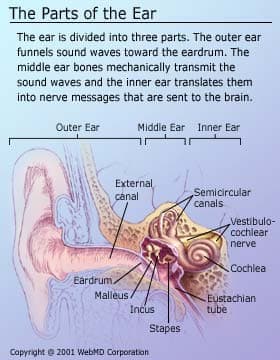
Prolonged exposure to loud sounds is the most common cause of tinnitus. Up to 90% of people with tinnitus have some level of noise-induced hearing loss. The noise causes permanent damage to the sound-sensitive cells of the cochlea, a spiral-shaped organ in the inner ear. Carpenters, pilots, rock musicians, street-repair workers, and landscapers are among those whose jobs put them at risk, as are people who work with chain saws, guns, or other loud devices or who repeatedly listen to loud music. A single exposure to a sudden extremely loud noise can also cause tinnitus.
A variety of other conditions and illnesses can lead to tinnitus, including:
- Blockages of the ear due to a buildup of wax, an ear infection, or rarely, a benign tumor of the nerve that allows us to hear (auditory nerve)
- Certain drugs -- most notably aspirin, several types of antibiotics, anti-inflammatories, loop diuretics, and antidepressants, as well as quinine medications; tinnitus is cited as a potential side effect for about 200 prescription and nonprescription drugs.
- The natural aging process, which can cause deterioration of the cochlea or other parts of the ear
- Meniere's disease, which affects the inner part of the ear
- Otosclerosis, a disease that results in stiffening of the small bones in the middle ear
- Other medical conditions such as high blood pressure, cardiovascular disease, circulatory problems, anemia, allergies, an underactive thyroid gland, autoimmune disease, and diabetes
- Neck or jaw problems, such as temporomandibular joint (TMJ) syndrome
- Injuries to the head and neck
Tinnitus can worsen in some people if they drink alcohol, smoke cigarettes, drink caffeinated beverages, or eat certain foods. For reasons not yet entirely clear to researchers, stress and fatigue seem to worsen tinnitus.
Could You Have Tinnitus?
How do you know if you have it? Your doctor will make the final call, but you can ask yourself these questions.
Do you hear a noise that people around you don't hear? When you have tinnitus, you're the only one who notices the ringing, buzzing, or other noise. Other people don't.
Do you take medication? More than 200 drugs can cause tinnitus, especially when you start or stop taking them. These include pain relievers like ibuprofen or naproxen, as well as certain antibiotics, diuretics, aspirin, and chemotherapy medicines.
The form that tinnitus takes can vary, depending on the drug and its dose. Don't stop taking a medication without talking to your doctor first.
Are you around loud sounds? Lots of blaring noises where you live or work can cause hearing loss that triggers tinnitus. Those sounds could include roaring machines, lawn equipment, concerts, and sporting events.
Tinnitus can build up over the years or stem from a single loud event, like an engine backfire. Stay away from loud noises if you can. If you can't, wear ear protection. And turn that music down.
Do you have a cold or ear infection? Congestion, along with ear and sinus infections, can cause pressure to build up in your inner ear. The same thing can happen if you have too much ear wax. That pressure can cause tinnitus.
Treating the cause should ease your symptoms. But long-term blockage sometimes leads to having the hearing condition permanently.
Do you get migraines? These headaches come with throbbing pain, nausea, and light sensitivity. But they also can have ear-related symptoms like fullness, muffled hearing, and tinnitus.
Have you ever had a serious head or neck injury? Either can cause problems with your nerves, blood flow, and muscles. That can lead to tinnitus, which often comes with headaches and memory issues when it's linked to head or neck trauma.
Do you have jaw problems? Sometimes, tinnitus is caused by temporomandibular disorder (TMD), a group of conditions that affect jaw movement. Damage to any of the muscles, ligaments, or cartilage in that area can lead to the hearing problem. Easing TMD symptoms should help.
Do you have high blood pressure? That makes you more likely to have tinnitus. Narrowing of the arteries (your doctor may call it atherosclerosis) is another cause. Treating the condition should ease your symptoms.
Do you drink a lot of alcohol? Cut back if you can’t go without a daily cocktail. That might make a difference in what you hear.
Are you under a lot of stress? Tension, anxiety, and depression can trigger tinnitus. Try relaxation therapy, hypnosis, yoga, or whatever works for you. Whether it helps a case of tinnitus or not, it's good for your overall health.
Do you have another medical condition? Tinnitus has been linked to diabetes, fibromyalgia, allergies, low vitamin levels, hormonal changes, and autoimmune disorders like lupus and rheumatoid arthritis. It’s also tied to Meniere's disease, a condition that causes hearing loss and vertigo, a spinning sensation.
How Is Tinnitus Diagnosed?
Your doctor will discuss your medical history. They’ll ask about any medicines you take, including supplements. They’ll do a hearing test, examine your head and neck, and look inside your ears. They might ask you to clench your jaw, move your eyes, and move your neck, arms, and legs. If the ringing gets worse when you move, that may help find a cause for it. You may also need imaging tests like CT or MRI scans.
Your doctor may not be able to find the cause. If that happens, they’ll work with you to find ways to lessen the sound or help you manage it better.
How Is Tinnitus Treated?
It depends on what's to blame for the ringing.
If a medication is the trigger, your doctor might suggest that you stop taking it or change to a different drug. Never stop a medicine on your own without talking to your doctor.
If a health issue like high blood pressure is the cause, your doctor can work with you to treat it. Often, the ringing will improve when you get the condition under control.
If the problem is too much earwax, the doctor can remove the buildup gently. Don't use cotton swabs to try to do it yourself.
Other treatment options may include:
Hearing aids. These devices can help with age-related hearing loss and tinnitus. They make the sounds you need to hear louder and make the ringing harder to notice.
Sound maskers. You wear them in or behind your ear to create constant, low-level white noise. This helps block the ringing. You might also try a white noise machine near your bed at night to help you sleep.
Retraining therapy. You get counseling and wear a gadget that masks the ringing with tonal music.
Relaxation techniques. Tinnitus can get worse when you’re stressed. You might find ways to ease your worries, like exercise, deep breathing, or biofeedback.
Medicines. There are several medications that show some promise in treating tinnitus, including certain hormones, topical anesthetics, and anti-anxiety medication. Ask your doctor if any of them may be right for you.
How to Talk With Your Doctor About Tinnitus
Learning about tinnitus can help you manage it. Ask your doctor these questions so you better understand your condition.
- Can you tell what's causing my tinnitus?
- Will it go away on its own?
- Can other people hear the noise in my ears?
- Will tinnitus damage my hearing?
- Does having tinnitus mean I have hearing loss?
You may want to ask your doctor these questions to learn about your treatment options:
- What are the treatments for tinnitus?
- Are there any risks or side effects from the treatment?
- What can I do on my own to manage tinnitus?
- How can I stop tinnitus from getting worse?