
UTIs, Explained
UTIs are bacterial infections in the urinary system. They’re very common and usually not serious, though there can be exceptions.
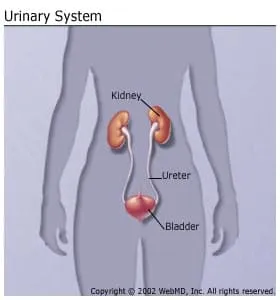
Your urinary tract includes your bladder, kidneys, ureters (tubes that go from your kidneys to your bladder), and urethra (the tube that carries urine out of your body from your bladder).
If you have a UTI in your kidneys, doctors call it pyelonephritis. If it’s in your bladder, the medical term is cystitis.
Who Gets Urinary Tract Infections?
Anyone can. But they're more likely when you:
- Are a woman
- Have had UTIs before
- Have a condition that affects your bladder's nerves (including diabetes, multiple sclerosis, Parkinson's disease, and spinal cord injuries)
- Have been through menopause
- Are overweight
- Have something that blocks the passage of urine, such as a tumor, kidney stone, or an enlarged prostate
- Use a diaphragm or spermicide for birth control
- Have a catheter, a tube placed into the bladder to drain urine from the bladder into a bag outside the body
- Are a man who has sex with men, has HIV, or hasn’t been circumcised
Most of these traits also raise the odds that a simple bladder infection may become a more serious kidney infection or turn into sepsis (an infection that has gotten into your bloodstream). For pregnant women, a kidney infection can lead to delivering a baby too early.
Infection Causes
Most UTIs are due to bacteria that are normally found in your gut, such as E. coli. Other bacteria that can cause them include staphylococcus, proteus, klebsiella, enterococcus, and pseudomonas.
Some bladder infections in both men and women are linked to sexually transmitted infections, including Chlamydia trachomatis, mycoplasma, and ureaplasma. The parasite trichomonas can also cause similar symptoms.
If you have a problem with your immune system, from an autoimmune disease or diabetes, you're more likely to get UTIs because your body can't do a good job fighting off the germs that cause these infections.
Anatomy Plays a Role
Women are more likely to get UTIs because the tube that goes from the bladder to the outside (the urethra) is much shorter than in men. Because the urethral opening is closer to the anus in women, it’s easier for bacteria from stool to get into their urethra. Contact and fluids spread during sex also make it easier for bacteria from the vagina and anus to get into the urethra.
In men, a bladder infection is almost always a symptom of another condition. Often, the infection has moved from the prostate or some other part of the body. Or it may mean that a stone, tumor, or something else is blocking the urinary tract.
Chronic kidney infections sometimes happen because of a structural problem that allows urine to flow from the bladder back to the kidneys or because the bladder doesn’t empty completely. These problems are often found at an early age, but they affect adults, too.
In rare cases, UTIs can happen because there's an abnormal connection between the bladder or urethra and another organ or passageway like the intestines or uterus.