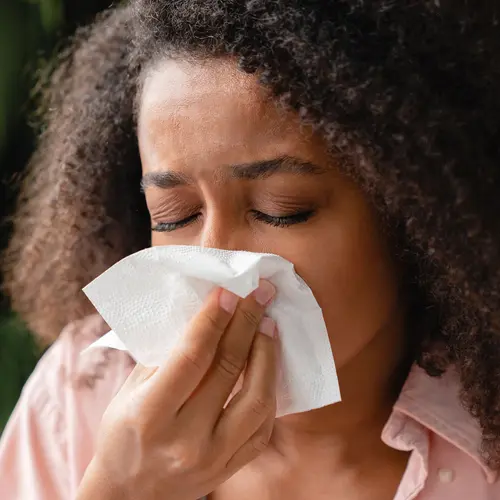
It’s fall, and the blooms of summer have faded. So how come you’re still sneezing? Fall allergy triggers are different, but they can cause just as many symptoms as in spring and summer.
What Causes Fall Allergies?
Ragweed is the biggest allergy trigger in the fall. Though it usually starts to release pollen with cool nights and warm days in August, it can last into September and October. About 75% of people allergic to spring plants also have reactions to ragweed.
Even if it doesn't grow where you live, ragweed pollen can travel for hundreds of miles on the wind. For some people who are allergic to ragweed, certain fruits and vegetables, including bananas, melon, and zucchini, can also cause symptoms.
Mold is another fall trigger. You may think of mold growing in your basement or bathroom -- damp areas in the house -- but mold spores also love wet spots outside. Piles of damp leaves are ideal breeding grounds for mold.
Don’t forget dust mites. While they’re common during the humid summer months, they can get stirred into the air the first time you turn on your heat in the fall. They can trigger sneezes, wheezes, and runny noses.
Going back to school can also bring allergies in kids because mold and dust mites are common in schools.
What Are the Symptoms?
How Are Fall Allergies Diagnosed?
Your doctor can help find out what’s causing your watery, itchy eyes and runny nose. They'll talk to you about your medical history and symptoms, and may recommend a skin test.
If they do, they’ll place a tiny amount of the allergen on your skin -- usually on your back or forearm -- and then prick or scratch the skin underneath. If you're allergic to it, you’ll get a small, raised bump that itches like a mosquito bite.
Sometimes a blood test may also be used to figure out a cause.
How Can I Treat My Allergies?
There are many medications you can use:
Steroid nasal sprays can reduce inflammation in your nose.
Antihistamines help stop sneezing, sniffling, and itching.
Decongestants help relieve stuffiness and dry up the mucus in your nose.
Immunotherapy in the form of allergy shots or oral tablets or drops can also help you feel better.
You can buy some allergy medications without a prescription, but talk to your doctor to make sure you get the right one. Decongestant nasal sprays, for example, should only be used for 3 days. If you use them longer, you may actually get more congested. And if you have high blood pressure, some allergy drugs may not be right for you.
Tips to Manage Symptoms
Stay indoors with the doors and windows closed when pollen is at its peak (usually in the late morning or midday). Check pollen counts in your area. Your local weather report will usually include them.
Before you turn on your heat for the first time, clean your heating vents and change the filter. Bits of mold and other allergens can get trapped in the vents over the summer and will fill the air as soon as you start the furnace.
Use a HEPA filter in your heating system to remove pollen, mold, and other particles from the air.
Use a dehumidifier to keep your air at between 35% and 50% humidity.
Wear a mask when you rake leaves so you don't breathe in mold spores.