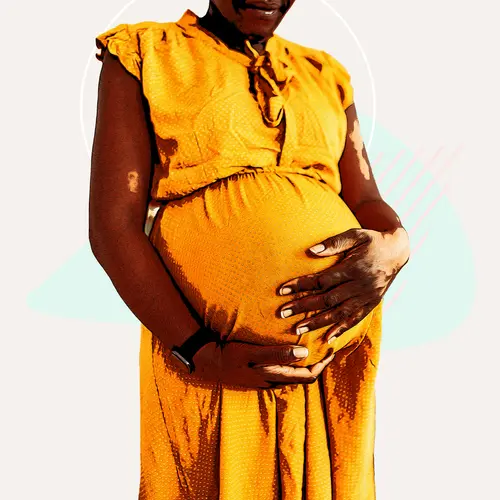

What Are Prenatal Vitamins?
Prenatal vitamins are supplements made for those who are pregnant to give their bodies the vitamins and minerals needed for a healthy pregnancy. Your doctor may suggest that you take them when you begin to plan for pregnancy as well as while you’re pregnant.
Eating a healthy diet is always a wise idea, especially during pregnancy. It's also a good idea to take vitamins for pregnancy to help cover any nutritional gaps in your diet. Talk to your doctor before taking any vitamins, supplements, or herbs during pregnancy.
Best Prenatal Vitamins
Prenatal vitamins help ensure that you get the nutrients you need for a healthy pregnancy. The best prenatal vitamins should have:
- Folic acid: 400 micrograms (mcg)
- Vitamin D: 600 international units (IU)
- Calcium: 1,000 milligrams (mg)
- Vitamin C: 80 mg
- Thiamine: 1.4 mg
- Riboflavin: 1.4 mg
- Niacin: 18 mg
- Vitamin B12: 2.6 mcg
- Vitamin B6: 1.9 mg
- Vitamin E: 15 mg
- Zinc: 11 mg
- Iron: 27 mg
- Vitamin A: 770 mcg
When choosing pregnancy vitamins, make sure they aren't expired or will expire soon. If you have food allergies or sensitivities, make sure those aren't on the ingredient list. Some vitamins can include things like corn, eggs, or wheat. If you are concerned about the quality of your prenatal vitamins, ask your doctor to see if there are brands they recommend.
In some cases, your doctor will give you a prescription for a certain type of prenatal vitamin or recommend you take additional supplements.
Benefits of Prenatal Vitamins
Pregnancy vitamins, unlike regular ones, give the extra nutrition you need to help make sure you are healthy and your baby grows and develops well. Some of the most important vitamins and minerals for pregnancy include folic acid, iron, calcium and iodine.
Folic acid
If getting pregnant is a possibility for you, you should take folic acid. It can prevent birth defects that affect the baby’s brain and spinal cord. Neural tube defects develop early in pregnancy, before many people know they’re pregnant; half of all pregnancies are unplanned. This is why doctors recommend that anyone who could get pregnant take 400 mcg of folic acid daily, starting before conception and continuing for the first 12 weeks of pregnancy.
If you’ve had a baby with a neural tube defect, you should talk with your health care provider about folic acid. Studies have shown that taking a larger dose (up to 4,000 mcg) at least 1 month before and during the first trimester may help if you’ve had a baby with this defect. But talk to your doctor about what’s right for you.
Foods that have folic acid include:
- Green leafy vegetables
- Nuts
- Beans
- Citrus fruits
- Many foods fortified with folic acid
Even though you can get folic acid from food, it's a good idea to take a supplement as a backup.
Calcium
Calcium is also important during pregnancy. It can help prevent you from losing your bone density as the baby uses calcium for its own bone growth.
Iodine
Iodine is critical for a healthy thyroid function during pregnancy. Iodine deficiency can cause a miscarriage or stillbirth and can cause the baby to have:
- Stunted physical growth
- Severe mental disability
- Deafness
Iron
Iron helps your body make more blood red cells. These blood cells carry oxygen to the baby that it needs to develop.
What About Other Nutrients?
There are other nutrients that may improve the health of your pregnancy. Your doctor can help you decide if you need to take supplements that include:
Omega-3 fatty acids. These fats, which include DHA (docosahexaenoic acid) and EPA (eicosapentaenoic acid), come only from food sources such as fatty fish and nuts. Low-mercury seafood -- 8-12 ounces a week -- is recommended during pregnancy. Foods that are high in DHA include:
- Salmon, halibut, catfish, trout, tilapia, and shrimp
- Some foods, like eggs and milk, fortified with DHA
Studies show omega-3s can lower your risk of preterm birth and of having a baby with low birth weight. If you don’t eat much food that’s rich in omega-3s, ask your health care provider if a supplement is right for you. Not all prenatal pills include DHA.
Choline. Although your body can make some choline on its own, you get most of it from food. Rich sources include beef, pork, chicken, fish, and eggs. Many pregnant women don’t get enough choline, which the baby needs for healthy brain growth. Choline is not in all prenatal vitamins, so check yours, or talk to your doctor, to see if you need a supplement.
Protein. You need extra protein during pregnancy because your blood volume increases, and you are growing new tissue, a placenta (the organ that provides oxygen and nutrients to your baby), and a new life. All of this requires protein. For a healthy pregnancy, you should be getting about 10 grams per day over the minimum recommended dietary allowance (RDA), particularly during the last trimester. The RDA is based on your weight and suggests 0.36 grams per pound (that's about 50 grams of protein daily if you aren't pregnant; 60 grams a day during pregnancy).
When to Start Taking Prenatal Vitamins
The best time to start taking prenatal vitamins is before conception . Prenatal vitamins can't help you get pregnant, but they do help provide nutrition your body needs to prepare for pregnancy.
Some doctors recommend that anyone who could have a baby take prenatal vitamins, even if they don’t have plans to get pregnant in the near future. If your pregnancy is unexpected and you haven't been taking prenatal vitamins, it's best to start as soon as possible. The extra nutrition helps during the first trimester, when a lot of the baby's spinal cord and brain development is happening.
Folic acid is especially important. You should begin taking a folic acid supplement at least 1 month before you try to get pregnant to prevent birth defects.
Prenatal Vitamin Side Effects
Some prenatal vitamins can cause nausea in an already nauseated pregnant woman. Because of the amount of nutrients in prenatal vitamins, they can be large, which might make it harder to swallow if you're already nauseous. One option is prenatal vitamins that are smaller and taken twice a day. If you are still unable to take vitamins, talk to your doctor. They may be able to prescribe a different kind of prenatal vitamin that you don’t have to swallow whole. Options include:
- Chewables
- Liquids
The iron in prenatal vitamins may also make you constipated. If you’re constipated, it can help to:
- Eat a high-fiber diet -- at least 28 grams per day -- that includes whole grains, fruits like bananas, apples, and berries, lentils and split peas.
- Drink lots of water -- 64-96 ounces a day.
- Exercise if your doctor says it’s safe for you. A good guide to follow is getting about 2.5 hours of moderate-intensity exercise each week.
- Take a stool softener with your doctor’s OK. These can be prescribed by your doctor or bought over the counter.
Takeaways
Prenatal vitamins are an important part of a healthy pregnancy. They can be purchased over the counter or prescribed by your doctor. Check the labels of any vitamins or supplements you take during pregnancy to make sure you aren't allergic to any of their ingredients and they have been tested by a third-party group like U.S. Pharmacopeia (USP) or NSF International.
Prenatal Vitamins FAQs
- Is it safe to take a prenatal vitamin when you aren’t pregnant? It is not necessary if you aren't pregnant or trying to get pregnant. Prenatal vitamins can't help you get pregnant. You should be able to get the nutrients you need through a healthy diet and regular multivitamin. Prenatal vitamins can cause some health issues: Too much folic acid can increase symptoms of B12 deficiency, and too much iron can cause constipation and nausea.
- Which prenatal vitamin is best? Prenatal vitamins should have the RDA of nutrients needed during pregnancy and include folic acid, iron, calcium, vitamin D, and iodine. If you don't know which prenatal vitamins are best for you, talk with your doctor.
- What do prenatal vitamins do when trying to conceive? You should start taking prenatal vitamins at least a month before you start trying to have a baby. Taking folic acid before conception is important for avoiding neural tube defects.