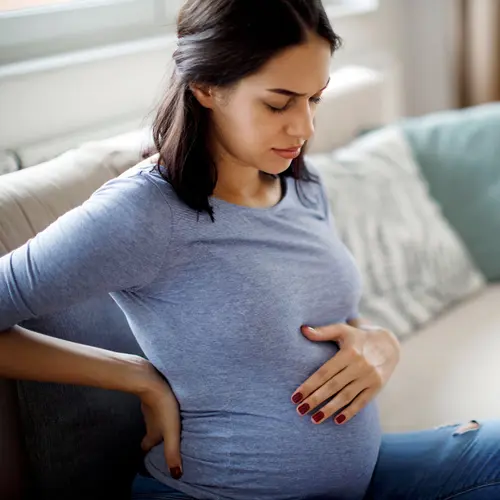

What Is Preeclampsia?
Preeclampsia, formerly called toxemia, happens when you're pregnant and have high blood pressure, too much protein in your pee, and also swelling in your legs, feet, and hands. It can range from mild to severe. It usually happens late in pregnancy, though it can come earlier or just after delivery.
The only cure for preeclampsia is to give birth. Even after delivery, symptoms of preeclampsia can last 6 weeks or more.
You can help protect yourself by learning the symptoms of preeclampsia and by seeing your doctor for regular prenatal care. Catching preeclampsia early may lower the chances of long-term problems for both mom and baby.
What Is Postpartum Preeclampsia?
This is a rare condition that can happen when you have high blood pressure and too much protein in your pee after giving birth. When this happens, it's usually within 48 hours of childbirth. But it can happen 6 weeks or later after childbirth. This is known as late postpartum preeclampsia.
Immediate medical treatment is needed for postpartum preeclampsia. It can cause seizures or other serious issues if not treated quickly.
Preeclampsia vs. Eclampsia
Preeclampsia can lead to eclampsia, a serious condition that can have health risks for mom and baby and, in rare cases, cause death. If your preeclampsia leads to seizures, you have eclampsia.
Preeclampsia Symptoms
In addition to swelling (also called edema), extra protein in your pee, and blood pressure over 140/90, preeclampsia symptoms include:
- Sudden weight gain over 1 or 2 days because of a large increase in bodily fluid
- Shoulder pain
- Belly pain, especially in the upper right side
- Severe headaches
- Change in reflexes or mental state
- Peeing less or not at all
- Dizziness
- Trouble breathing
- Severe vomiting and nausea
- Vision changes like flashing lights, floaters, or blurry vision
But you may have preeclampsia and no symptoms, so it’s important to see your doctor for regular blood pressure checks and urine tests.
High blood pressure and preeclampsia
When you're pregnant, high blood pressure that's not controlled can cause serious problems for you and your baby. You may have high blood pressure before you become pregnant. Or you might develop it for the first time during your pregnancy. Preeclampsia is a serious high blood pressure condition that can happen during pregnancy or soon after you give birth.
Talk to your doctor about any blood pressure issues you have. They should check your blood pressure at each prenatal visit.
How Quickly Can Preeclampsia Develop?
Preeclampsia can happen as early as 20 weeks into your pregnancy, but that’s rare. Symptoms often begin after 34 weeks. In a few cases, symptoms develop after birth, usually within 48 hours of delivery. But remember, you may have preeclampsia without symptoms.
Preeclampsia Causes
Many experts think preeclampsia and eclampsia happen when your placenta doesn’t work the way it should, but they don’t know exactly why. A lack of blood flow to your uterus could play a role. Genes are also a factor.
Other High Blood Pressure Disorders in Pregnancy
Preeclampsia is one of four blood pressure disorders that can happen when you're pregnant. The other three are:
- Gestational hypertension. This is high blood pressure that starts after the 20th week of pregnancy but doesn’t cause high amounts of protein in your urine. It usually goes away after delivery.
- Chronic hypertension. This is high blood pressure that starts before you get pregnant or before the 20th week of pregnancy.
- Chronic hypertension with superimposed preeclampsia. This is chronic high blood pressure that gets worse as pregnancy goes on, causing more protein in urine and other complications.
Preeclampsia Risk Factors
These risk factors increase your chance of getting preeclampsia.
High risk factors:
- History of preeclampsia
- Carrying more than one baby (twins, triplets, or more)
- Chronic hypertension
- Kidney disease
- Diabetes
- Autoimmune conditions such as lupus
- Having multiple moderate risk factors
Moderate risk factors:
- Being pregnant for the first time
- Being pregnant more than 10 years after your last pregnancy
- BMI over 30
- Having a family history of preeclampsia (your mother or sister had it)
- Being age 35 or older
- Having complications in your past pregnancies (like having a baby with low birth weight)
- Having in vitro fertilization (IVF)
- Being Black (this is because of inequities that increase your risk of illness)
- Being lower income (this is because of inequities that increase your risk of illness)
Preeclampsia Complications
Preeclampsia can keep your placenta from getting enough blood, which can cause your baby to be born very small. This is called fetal growth restriction.
It’s also one of the most common causes of premature births and the complications that can follow, including learning disabilities, epilepsy, cerebral palsy, and hearing and vision problems.
Preeclampsia can cause rare but serious complications that include:
Eclampsia. This is when you have seizures or coma with symptoms of preeclampsia. It's hard to know if your preeclampsia will develop eclampsia. Eclampsia can happen without any symptoms of preeclampsia.
Some signs of eclampsia before seizures include severe headaches, vision problems, mental confusion, and altered behaviors. You might have no symptoms or warning signs. Eclampsia can happen before, during, or after you deliver your baby.
- Preterm birth before 37 weeks. If your baby is premature, they have increased risk of breathing and feeding difficulties, vision or hearing problems, developmental delays, and cerebral palsy. Treatments before preterm delivery may decrease some risks.
- Fetal growth restriction. Preeclampsia affects arteries carrying blood to your placenta. If your placenta doesn't get enough blood, your baby might not get enough blood, oxygen, or nutrients.
- Stroke
- Seizure
- Fluid buildup in your chest
- Reversible blindness
- Bleeding from your liver
- Bleeding after you've given birth
- Other organ damage. Preeclampsia can cause damage to your kidneys, liver, lung, heart, and eyes, and it can also cause a stroke or other brain injury. The amount of injury to your other organs depends on how severe your preeclampsia is.
- Cardiovascular disease. Having preeclampsia may increase your risk of future heart and blood vessel (cardiovascular) disease. The risk is even greater if you've had preeclampsia more than once or you've had a preterm delivery.
When preeclampsia or eclampsia damage your liver and blood cells, you can get a complication called HELLP syndrome. That stands for:
- Hemolysis. This is when the red blood cells that carry oxygen through your body break down.
- Elevated liver enzymes. High levels of these chemicals in your blood mean liver problems.
- Low platelet counts. This is when you don’t have enough platelets, so your blood doesn’t clot the way it should.
HELLP syndrome is a medical emergency. Call 911 or go to the emergency room if you have symptoms including:
- Blurry vision
- Chest or belly pain
- Headache
- Fatigue
- Upset stomach or vomiting
- Swelling in your face or hands
- Bleeding from your gums or nose
Preeclampsia can also cause your placenta to suddenly separate from your uterus, which is called placental abruption. This can lead to stillbirth.
Is Preeclampsia an Emergency?
Having preeclampsia is a serious medical condition your doctor will monitor and treat. If you develop seizures, your preeclampsia has developed into eclampsia. If you have that or other severe complications, it's a medical emergency. You need urgent treatment, usually in a hospital, to stop your symptoms and deliver your baby.
Preeclampsia Diagnosis
You have preeclampsia if you have high blood pressure and at least one of these other signs:
- Too much protein in your urine
- Not enough platelets in your blood
- High levels of kidney-related chemicals in your blood
- High levels of liver-related chemicals in your blood
- Fluid in your lungs
- A new headache that doesn’t go away when you take medication
To confirm a diagnosis, your doctor might give you tests including:
- Blood tests to check your platelets and to look for kidney or liver chemicals
- Urine tests to measure proteins
- Ultrasounds, nonstress tests, or biophysical profiles to see how your baby is growing
Preeclampsia Treatment
The only cure for preeclampsia and eclampsia is to give birth. Your doctor will talk with you about when to deliver based on how far along your baby is, how well your baby is doing in your womb, and the severity of your preeclampsia.
If your baby has developed well, usually by 37 weeks or later, your doctor may want to induce labor or do a cesarean section. This will keep preeclampsia from getting worse.
If your baby isn’t close to term, you and your doctor may be able to treat mild preeclampsia until your baby has developed enough to be safely delivered. The closer the birth is to your due date, the better it is for your baby.
If you have mild preeclampsia, also known as preeclampsia without severe features, your doctor may prescribe:
- Bed rest, either at home or in the hospital; resting mostly on your left side
- Careful monitoring with a fetal heart rate monitor and frequent ultrasounds
- Medicines to lower your blood pressure
- Blood and urine tests
Your doctor also may tell you to stay in the hospital so they can watch you closely. In the hospital, you might get:
- Medicine to help prevent seizures, lower your blood pressure, and prevent other problems
- Steroid injections to help your baby's lungs develop faster
Other treatments include:
- Injections of magnesium to prevent eclampsia-related seizures
- Hydralazine or another blood pressure drug
For severe preeclampsia, your doctor may need to deliver your baby right away, even if you're not close to term. Afterward, symptoms of preeclampsia should go away within 1 to 6 weeks but could last longer.
Preeclampsia Prevention
If you have an increased risk of preeclampsia, your doctor might suggest a low-dose (81 milligram) aspirin each day. But don’t take any medications, vitamins, or supplements without talking to them first.
Also talk to your doctor about lifestyle changes that can help keep you healthy and help prevent preeclampsia. You might need to:
- Lose some weight if you’re overweight
- Stop smoking
- Exercise regularly
- Get your blood pressure or blood sugar under control
Takeaways
- Preeclampsia happens when you're pregnant and have high blood pressure, too much protein in your pee, and swelling in your legs, feet, and hands.
- Preeclampsia used to be called toxemia.
- Preeclampsia usually happens late in pregnancy, but it can also happen earlier in your pregnancy or soon after you give birth.
- Preeclampsia is one of four blood pressure disorders that can happen during pregnancy.
- If not treated, preeclampsia can lead to serious complications, such as eclampsia, which can be deadly for you and your baby.
- It's important to get immediate medical care if you have preeclampsia symptoms.
- Early delivery is often recommended when you have preeclampsia.
- The only cure for preeclampsia is giving birth.
FAQs
How do I know if I have preeclampsia?
Because some preeclampsia symptoms like headaches, nausea, and aches and pains are common in any pregnancy, it's hard to know if you're having a healthy pregnancy or you have a serious problem like preeclampsia. This is especially true if it's your first pregnancy. If you're concerned about your symptoms, contact your doctor. Go to an emergency room if you have seizures, severe headaches, blurred vision or other visual disturbances, severe belly pain, or severe shortness of breath.
Can babies survive preeclampsia?
Most babies born to moms with preeclampsia are healthy. But if preeclampsia isn't treated, it can cause severe health problems for you and your baby.
What does preeclampsia pain feel like?
It depends. Preeclampsia headaches can be dull, severe, or throbbing. Preeclampsia abdominal pain can be dull and constant, or sharp and stabbing pain that comes and goes.