Medical Marijuana: What You Should Know

What Is It?
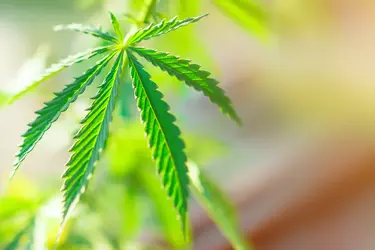
Medical marijuana is derived from the Cannabis sativa plant. Humans have turned to it as an herbal remedy for centuries, and today people use it to relieve symptoms or treat various diseases. The federal government still considers it illegal, but some states allow it to treat specific health problems. The FDA, the U.S. agency that regulates medicines, has approved one cannabis-derived drug product cannabidiol (Epidiolex) to treat certain seizure disorders.

Key Ingredients
Marijuana has chemicals called cannabinoids. Medical researchers usually focus on the health effects of two in particular: delta-9-tetrahydrocannabinol (THC) and cannabidiol (CBD). THC is the substance that makes you high; CBD doesn’t have mind-altering effects.

Forms of Medical Marijuana
There are a variety of ways to take the drug. You can inhale a vaporized spray, smoke the leaves, take a pill or liquid, or bake it into foods. All of the types differ in terms of how often you should use them, how they’ll affect your symptoms, and side effects you may feel.

How It Works in Your Body
The chemicals in marijuana affect you when they connect with specific parts of cells called receptors. Scientists know that you have cells with cannabinoid receptors in your brain and in your immune system. But the exact process of how the drug affects them isn’t clear yet.

What Does It Treat?
State laws differ on the conditions that you can legally treat with medical marijuana. But you might be allowed to use it if you have Alzheimer’s, ALS, cancer, Crohn’s disease, epilepsy, seizures, hepatitis C, AIDS, glaucoma, multiple sclerosis, posttraumatic stress disorder, chronic pain, or severe nausea. But scientists aren’t sure that it helps all of these conditions. The research is most clear that it can work as a painkiller, to stop vomiting during chemotherapy, to relieve some MS symptoms, and to treat a few rare forms of epilepsy.

Are There Risks?
If you smoke it, you could have breathing problems such as chronic cough and bronchitis. Research has linked cannabis use and car accidents. If you use it while pregnant, you may affect your baby’s health and development. Studies also show a tie between pot and psychotic disorders such as schizophrenia.

FDA-Approved Versions
Besides the approval of cannabidiol (Epidolex) as a treatment for two rare kinds of epilepsy, the FDA has also approved three synthetic cannabis-related drug products: Marinol (dronabinol), Syndros (dronabinol), and Cesamet (nabilone). If you have nausea caused by chemotherapy, you might take a synthetic cannabinoid, either dronabinol or nabilone. Dronabinol also can help boost appetite for people with AIDS.

Laws in Conflict
California was the first state to legalize medical marijuana, in 1996. as of March 2021, 36 states in the U.S. have done so. (Recreational weed is also legal in some places.) But the federal government still considers it an illegal drug, which can create confusion. For instance, even if you have a prescription, the Transportation Security Administration doesn’t allow cannabis in your luggage.

How Do You Get it?
The rules vary, depending on where you live. Generally, you’ll need to consult with a doctor and have a condition that your state has approved for treatment with cannabis. You might get an ID card. In some areas, you buy products at a specific store called a dispensary.

Do People Become Addicted?
Doctors don’t know much about the addiction risk for people who use the drug for medical reasons, and it needs more study. But people who use marijuana to get high can go on to have substance misuse issues. The most common problem is dependence. If you’re dependent, you’ll feel withdrawal symptoms if you stop using. If you’re addicted -- a more severe problem -- you’re unable to go without the drug.

Why Don’t We Know More?
Although cannabis has been an herbal remedy for centuries, the evidence for how well it works is lacking in many cases. Scientists prefer large studies with certain types of controls before they draw conclusions, and much of the research thus far hasn’t met those standards. Products vary in strength and it’s hard to measure doses, which has made judging the benefits of marijuana even more complicated.

An Opioid Alternative?
Could cannabis help solve issues involving these powerful painkillers? In some states, prescriptions for this pain medicine fell and researchers found a link to fewer overdose deaths. But another study found a link between pot use and abuse of these narcotic drugs. Scientists need more evidence before they can say for sure.