Slideshow: 16 Remedies for Restless Legs Syndrome

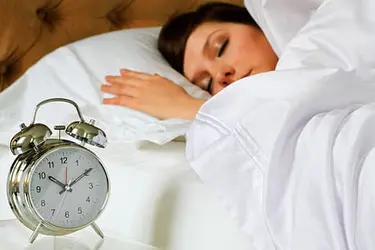
Sleep Late
Restless legs syndrome, also called RLS, makes it hard to sleep. Your legs may ache, burn, tingle, twitch, or jerk. To get the deep sleep you need, try going to bed a little later and sleeping later in the morning. Those morning hours may be some of your best rest.

Keep a Regular Bedtime
Going to sleep and waking up at the about the same time every day helps just about everyone sleep better. When you have RLS, it may stop a bad cycle where fatigue makes your symptoms worse, and then the twitching and tingling ruins your sleep for another night. Pay attention to how much sleep you need to feel your best. Most adults need seven to nine hours each night.

Stretch Before You Sleep
Gentle stretching before bed might help. For a calf stretch, step forward and bend your front leg while keeping your back leg straight, in a small lunge. You can put your hand on a wall for support. Repeat on the other side. Stretching also helps if you've been sitting for a long time.

Cut the Caffeine
Coffee, tea, chocolate, and cola can all give you a little burst of energy, thanks to the caffeine, but they can also make your RLS symptoms worse, even hours later. Cut out this stimulant and you may find it easier to fall asleep and stay asleep. If you cut down, keep in mind that caffeine can affect some people for as long as 12 hours.

Soak in a Warm Bath
A warm bath before bedtime relaxes you and makes it easier to fall asleep. So it's probably not surprising that this classic way to wind down also reduces the symptoms of RLS.

Chill or Warm Your Legs
Heating pad or ice pack? Go with whatever feels good. Either change in temperature can be soothing. Some people say a cold shower works best.

Make Exercise a Habit
Moderate exercise during the day pays off with better sleep at night. Walk, jog, lift weights, or find any exercise you enjoy. One study found that exercise led to less leg movement and longer and deeper sleep for people with RLS. Be careful not to overdo it. Intense exercise or working out just before bedtime could make your symptoms worse.

Exercise Your Brain
Sitting still can trigger RLS symptoms, such as when you sit down in the evening to watch TV or you're stuck on a crowded bus. Activities that distract your mind can sometimes ease your symptoms. Work a crossword puzzle, read a great book, or play a video game.

Move Your Legs
When your legs ache or twitch, moving them may ease those uncomfortable feelings. Sometimes just shaking or moving your legs can help. Choose an aisle seat in a movie theater or airplane so you can get up easily.

Breathe Deeply
Stress makes RLS symptoms worse. Release the tension by taking slow, deep breaths. It also helps to dim the lights and listen to soothing music before you go to bed.

Massage Your Legs
A calf massage before bed might calm your RLS symptoms and help you get to sleep. You can do it yourself or trade mini-massages with a family member. Give your partner a 10-minute shoulder rub, then stretch out for a leg massage and relax deeply.

Ease Into a Yoga Pose
Yoga combines three remedies that can reduce mild RLS symptoms: stretching, deep breathing, and relaxation. Try a class or video to learn the right posture and pace for each move. Once you know the poses, you can do them on your own. A podcast can lead you through the moves and include an eyes-closed, guided relaxation at the end.

Turn Off the TV Before Bed
Watching television or using the computer just before bed can make it harder to fall asleep. Sleep experts say you should make the bedroom a TV- and computer-free zone.

Avoid Alcohol and Cigarettes
Alcohol and cigarettes can bring on the symptoms of RLS and harm your sleep in other ways, too. A drink may make you drowsy at first, but you're more likely to wake up during the night or have poor sleep that doesn’t leave you feeling rested. The nicotine in cigarettes is what triggers RLS symptoms, so avoid cigars, "chew," and any other tobacco products.

Ask About Iron Supplements
People with RLS often have low levels of iron in their blood. Your body needs iron to make dopamine, a brain chemical that helps control movement. Ask your doctor whether an iron supplement might help you. If so, take it with a glass of orange juice or another source of vitamin C to help your body absorb the iron.

Review Your Medicines
Some cold and allergy drugs can trigger RLS symptoms, especially some antihistamines. Some antidepressants and drugs to treat nausea can also cause the same problem. Tell your doctor about all medicines and supplements you take. There may be another drug you can take that won’t trigger your RLS symptoms.