1 of 5 / Overview
View All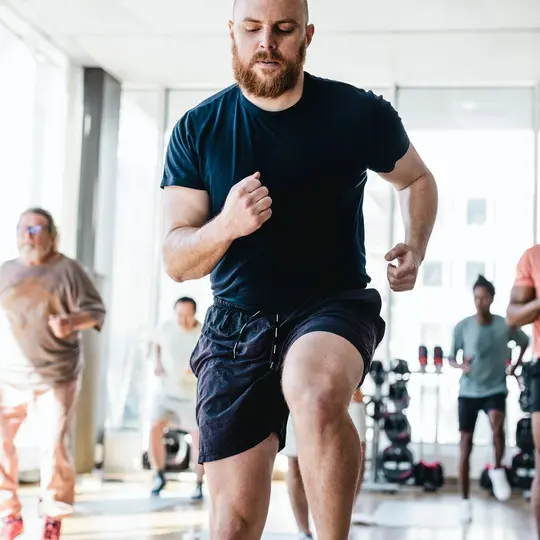
Exercise and Weight Loss
How to start working out if you want to achieve specific weight loss goals.
How Exercise Boosts Your Metabolism
Your next workout could set you up with a speedier metabolism.
Your Guide to Getting Started
Use these simple how-tos to start your personalized fitness plan.
Exercises for a Healthy Heart
Even taking a brisk walk for 30 minutes a day can make a big difference when it comes to exercising your heart muscle.
2 of 5 / Tips for Success
View All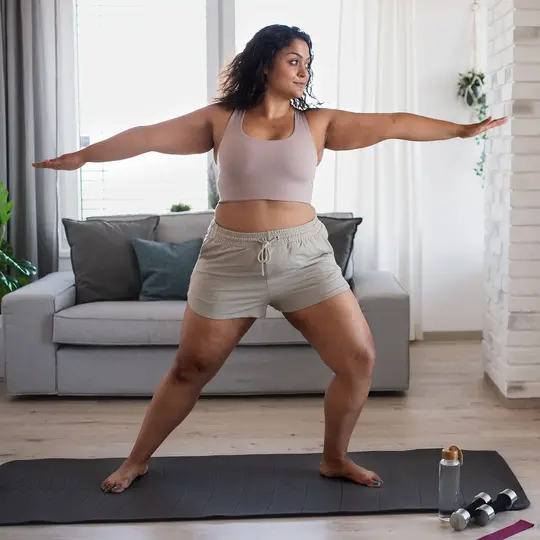
No Gym? Exercise at Home
Use these tips to set up your at-home exercise routine.
Take Your Workout to the Next Level
The best way to keep building muscle mass or burn calories is to make it a habit to switch up your workout.
Set Smarter Health Goals
Wouldn't it be nice if you knew exactly what to do to lose weight successfully? What you need is a fitness tracker and a smart goal.
Should You Get a Fitness Tracker?
What these devices do and how to pick the right one for you.
3 of 5 / Get Lean
View All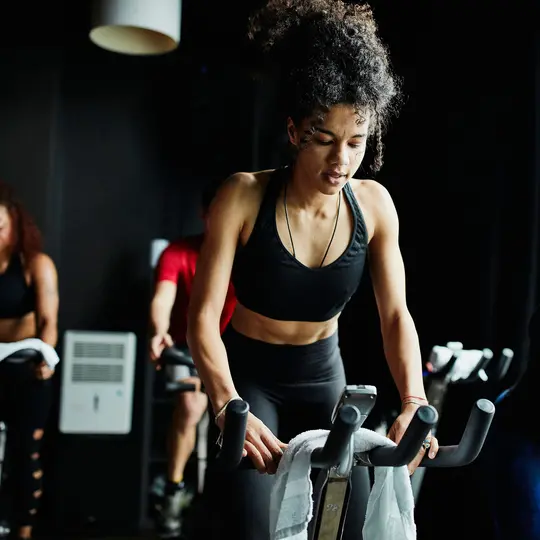
What to Know: Heart Rate for Fat-Burning Vs. Cardio
If you’re working out for weight loss, you’ll want to work out at a higher intensity. That will help you burn more calories.
What Is Metabolic Conditioning?
Metabolic conditioning, or MetCon, refers to exercises that increase the amount of energy stored and released by the body.
What Are Aerobic Exercises?
Aerobic exercise is cardiovascular exercise, or cardio, that gets your heart pumping.
Health Benefits of Running
Running is one of the best cardio exercises. Running for at least 10 minutes a day can lower cardiovascular disease risk.
4 of 5 / Get Strong
View All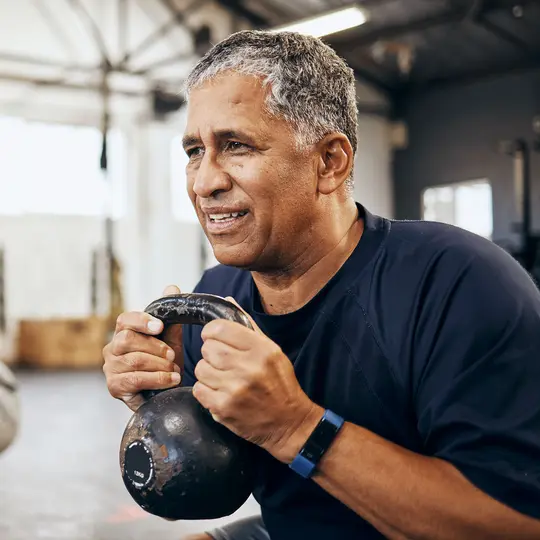
Work Out Your Lats
Lats are the largest muscles in your upper body and the core of any workout routine.
Strengthen Your Triceps
Strengthening your triceps can improve your quality of life while also giving you shapelier arms.
Exercises for Your Chest
Read on to learn some upper body workout exercises that you can do anywhere, anytime.
How to Do a Proper Squat
Squat exercises aren’t just for athletes. You can do them as part of your regular exercise routine.
5 of 5 / Fuel Your Body
View All
Suggested Reads about Health & Fitness
How My New Golf Hobby Made Me Healthier in Unexpected Ways
The “spillover effect” teaches us that doing one healthy thing can lead to a whole lot more – if you can stick with it and move past the bad shots.
ER Visits Due to Electric Bike Injuries Soar Across U.S.
Head injury cases among people riding electric bikes are increasing at an alarming rate while the odds of e-bike riders wearing a helmet are decreasing. Here's what to know.
Can You Really Lose Weight With Two Workouts a Week?
Understand how hard, long, and often you need to work out to actually make exercise work for weight loss.
Are There Exercises That Benefit Women More Than Men?
Weight training should be an essential part of anyone’s exercise regimen. But it’s especially important for women to incorporate weight training into their routines.
Top Search Terms for Fitness & Exercise
8 million+ Physician Ratings & Reviews
Find Doctors and Dentists Near You
You can also search by physician, practice, or hospital name