1 of 6 / Healthy Eating
View All
2 of 6 / Food & Nutrients
View All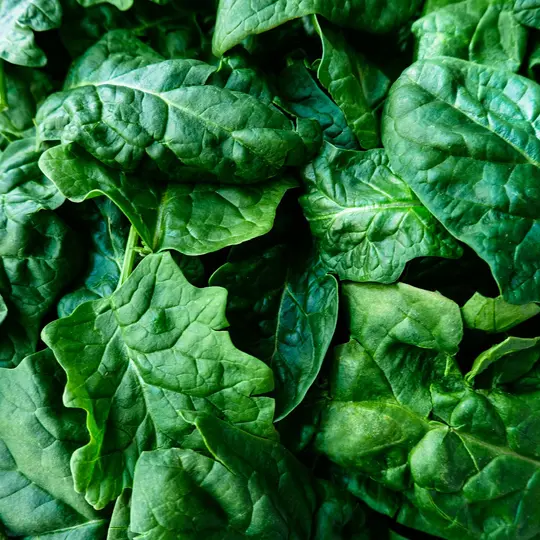
Getting Vitamins and Minerals From Food
When it comes to vitamins and minerals, you're probably looking for the bottom line: how much do you need?
Foods With Calcium and Vitamin D
Along with weight-bearing exercises, calcium and vitamin D go together for good bone density -- and good health in general.
3 of 6 / Smart Swaps
View All
4 of 6 / Grocery Shopping
View All
5 of 6 / Cooking Tips
View All
Suggested Reads about Food & Recipes
Elevated Lead Levels Found in 6 Ground Cinnamon Brands, FDA Says
Elevated levels of lead have been found in six ground cinnamon brands sold by discount retailers in the United States, the FDA said Wednesday in a safety alert.
Forever Chemicals Are Everywhere, But You Can Lower Your Risk
You can’t avoid the toxic chemicals that are infused into everyday living. But you can lessen some exposure.
General Mills Recalls Gold Medal Flour Over Salmonella Concerns
General Mills is recalling several package sizes of its Gold Medal flour because it may be contaminated with the bacteria salmonella.
FDA Says Plant-Based Drinks Can Still Be Called ‘Milk’
Plant-based beverages can continue to be called “milk,” according to newly proposed guidelines from the FDA.
Top Search Terms for Food & Recipes
8 million+ Physician Ratings & Reviews
Find Doctors and Dentists Near You
You can also search by physician, practice, or hospital name