Skip to content
WebMD: Better Information. Better Health.
Other search tools:Symptoms|Doctors|Videos

This article is from the WebMD Feature Archive

Font Size
A
A
A

Roasted Vegetables: Recipes and Tips

Roasted veggies add flavor and nutrition to pizza, sandwiches, pasta and more.
By Elaine Magee, MPH, RD
WebMD Feature

As grilling vegetables is to summer, so roasting vegetables is to fall and winter. Not only does the cooler weather make it a wonderful time to turn on the oven for an hour, but the veggies available in fall are practically designed to be roasted. Many roasted vegetable recipes call for favorite fall vegetables like carrots, onions, potatoes, sweet potatoes, Brussels sprouts, turnips, winter squash, eggplant, and more.

For diet-conscious folks, roasted vegetables add wonderful flavors to dishes without a lot of fat and calories. Roasted veggies like garlic, potatoes, and carrots can also work wonders as fat substitutes in recipes for mashed potatoes, sauces, cream soups, and casseroles.

Why Roast Vegetables?

The process of roasting brings out the natural sweetness in vegetables and intensifies their natural flavors. Think about how wonderful roasted onions; carrots; red, orange, or yellow peppers; eggplant; and asparagus taste. Roasted garlic is another perfect example. While raw garlic is pungent, roasted garlic has a sweeter, milder flavor. You might be hard pressed to choke down a clove of raw garlic, but you can spread six cloves of roasted garlic over a slice of bread as you would butter.

To me, there's no comparison between steamed vegetables and roasted vegetables. Roasted veggies have browning, carmelization, and crisping happening, while steamed ones are just cooked. Roasted vegetables are just more tantalizing to most all of the senses -- sight, taste, smell, and even touch.

How to Roast Vegetables

You might have had roasted vegetables at a restaurant or friend's house that seemed to be nearly as much oil as veggies. But roasted vegetables really don't need to be made with a lot of oil. Here are the four basic vegetable roasting steps:

  1. Preheat oven to 400 degrees. Line a jellyroll pan with foil, and coat the foil with canola or olive oil cooking spray. Cut your vegetables into small chunks or hearty bite-sized pieces.
  2. Add vegetables in a single layer to the foil-lined pan and spray the top with cooking spray or drizzle with a bit of canola or olive oil (use no more than a teaspoon of oil for every cup of vegetables). If you use oil, toss the veggies about on the pan to coat as much of them with oil as possible.
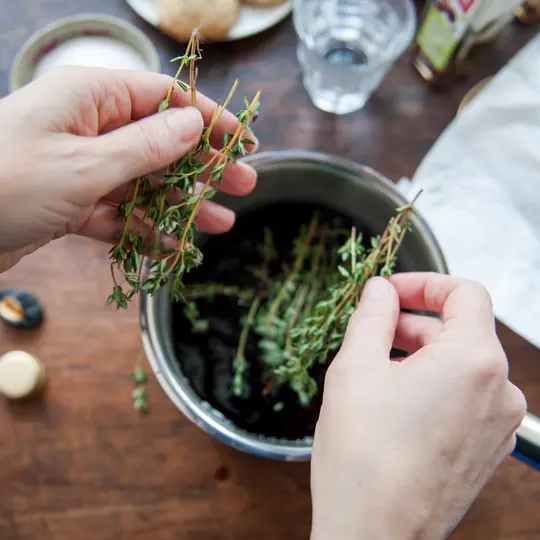
  3. Sprinkle on any desired seasonings, such as rosemary or basil, parsley, marjoram, salt and pepper. Coat the tops of your veggies again with canola or olive oil cooking spray, if desired, especially if you didn't drizzle with oil in Step 2.

Bake until veggies are lightly browned in areas, and tender. If your vegetables look like they are starting to dry out during the roasting period, drizzle some broth, apple juice, or low-fat Italian dressing or vinaigrette over the top. Different vegetables require different cooking times. Check your roasted vegetables after 25-30 minutes (this is probably the halfway point), turn them over with a spatula, then cook until they're tender and nicely browned around some of the edges (about 25-30 minutes more.)

1 | 2 | 3 | 4
webMD Video

Show or hide information about video: Functional Foods: Types and Benefits   Functional Foods: Types and Benefits

Functional Foods Video Thumbnail

Functional foods contain additives that go above and beyond meeting your basic nutritional needs.

Watch Video: Functional Foods: Types and Benefits (opens in a new window)

Show or hide information about video: Shopping Smart   Shopping Smart

Show or hide information about video: The Truth About Grilling   The Truth About Grilling

Show or hide information about video: Choosing Nutrition Bars   Choosing Nutrition Bars

Show or hide information about video: Truth About Alcohol   Truth About Alcohol