Skip to content
WebMD: Better Information. Better Health.
Other search tools:Symptoms|Doctors|Videos
Font Size
A
A
A

Super Stir Frys

Quick, easy, and healthy dishes that will 'wok' your world.
By Elaine Magee, MPH, RD
WebMD Expert Column

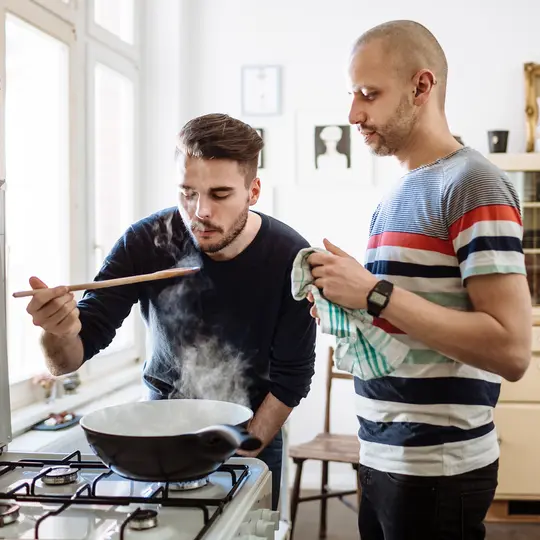
What cooking technique lets you cook your meal quickly, without a lot of fuss, using only one pan? You can even do it with one hand tied behind your back! It's stir-frying, a technique traditionally associated with Asian cooking.

"Stir-frying" refers to quickly frying small pieces of food in a large pan over very high heat while constantly stirring the food, according to The Food Lover’s Companion by Sharon Tyler Herbst.

It's a technique that often comes up in healthy cooking discussions because it's thought to quickly cook food, and make it crispy, with a small amount of fat.

Quick and Easy

Stir-frying isn’t rocket science, and that’s what’s so great about it. It doesn’t require lots of fancy equipment. Got a large, thick, nonstick frying pan or wok and a wooden spoon or two? That’s all you need.

Martin Yan, TV host and author of Martin Yan Quick & Easy, has eight tips for stir-fry beginners:

  • Cut meat and seafood into bite-size pieces before marinating.
  • Chop all your vegetables into bite-sized pieces.
  • Arrange vegetables in the order they are to be cooked.
  • Mix your sauce ingredients before you start cooking. This allows you to give your undivided attention to the dish you're stir-frying.
  • Preheat your wok or pan. Do not add the oil or other ingredients to the pan until it is hot.
  • "Season" the oil. Many recipes call for the garlic, ginger, shallot, or chili to go into the pan first, to flavor the oil for the cooking that follows.
  • Avoid overcrowding the food in your frying pan or wok. Most recipes call for less than a pound of meat. More than that can make it difficult to cook all the ingredients evenly.
  • Keep things moving in the pan. Remember it’s stir-frying, so stir, and don’t stare!

3 Steps to a Successful Stir-fry

Here are three simple steps to a successful stir-fry:

  1. Start With a Marinade. Most stir-fry recipes call for marinating the meat for about 10 minutes before the stir-frying begins. This helps to enhance the flavor and seal in the moisture. Cornstarch is often called for, along with a small amount of liquid like soy sauce or rice wine.


  2. Use the Right Oil. Even when you use a nonstick pan or wok, you usually need a little oil to lightly coat the cooking surface. Whatever oil you use needs to stand up to very high temperature heat. I tend to use canola oil but some cookbooks or recipes may call for another oil specifically, such as peanut oil. High flavor oils like sesame oil or chili oil might be called for in a recipe, not as the oil to coat the pan, but as a flavoring for the dish.


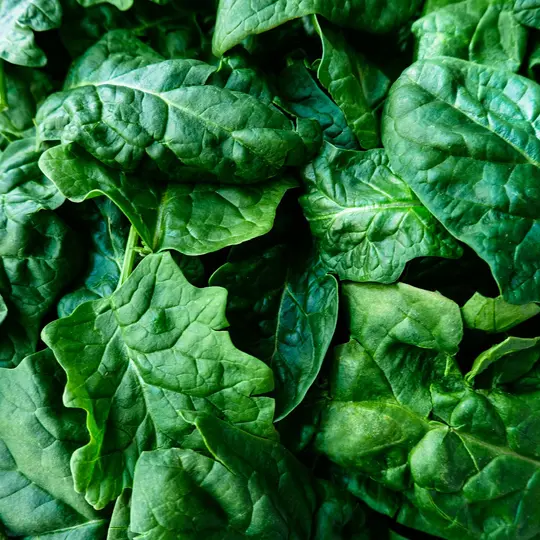
  3. Add Your Ingredients. One of the biggest benefits to stir-frying is that it's great way to work in those supernutritious vegetables. Stir-frying keeps veggies bright in color and crisp in texture, which enhances their appeal. Broccoli and cauliflower florets, carrot slices, green beans, eggplant, zucchini, mushrooms, bean sprouts, spinach -- they all stir-fry well. The only trick is adding the vegetables that need more cooking time first. Those that only need to be briefly heated go in toward the end. Even fruits can be stir-fried; some recipes call for pineapple, mango, mandarin oranges, etc.


1 | 2 | 3
webMD Video

Show or hide information about video: Turkey Safety

  Turkey Safety

Get tips on how to prepare and enjoy your traditional turkey safely.

Watch Video: Turkey Safety

 (opens in a new window)

Show or hide information about video: Shopping Smart   Shopping Smart

Show or hide information about video: Holiday Drinking Tips   Holiday Drinking Tips

Show or hide information about video: IBS Trigger Foods   IBS Trigger Foods

Show or hide information about video: Fall Food Colors   Fall Food Colors